Using Escape Rooms as a Fun Approach to Enhance Team Mental Agility and Collaboration
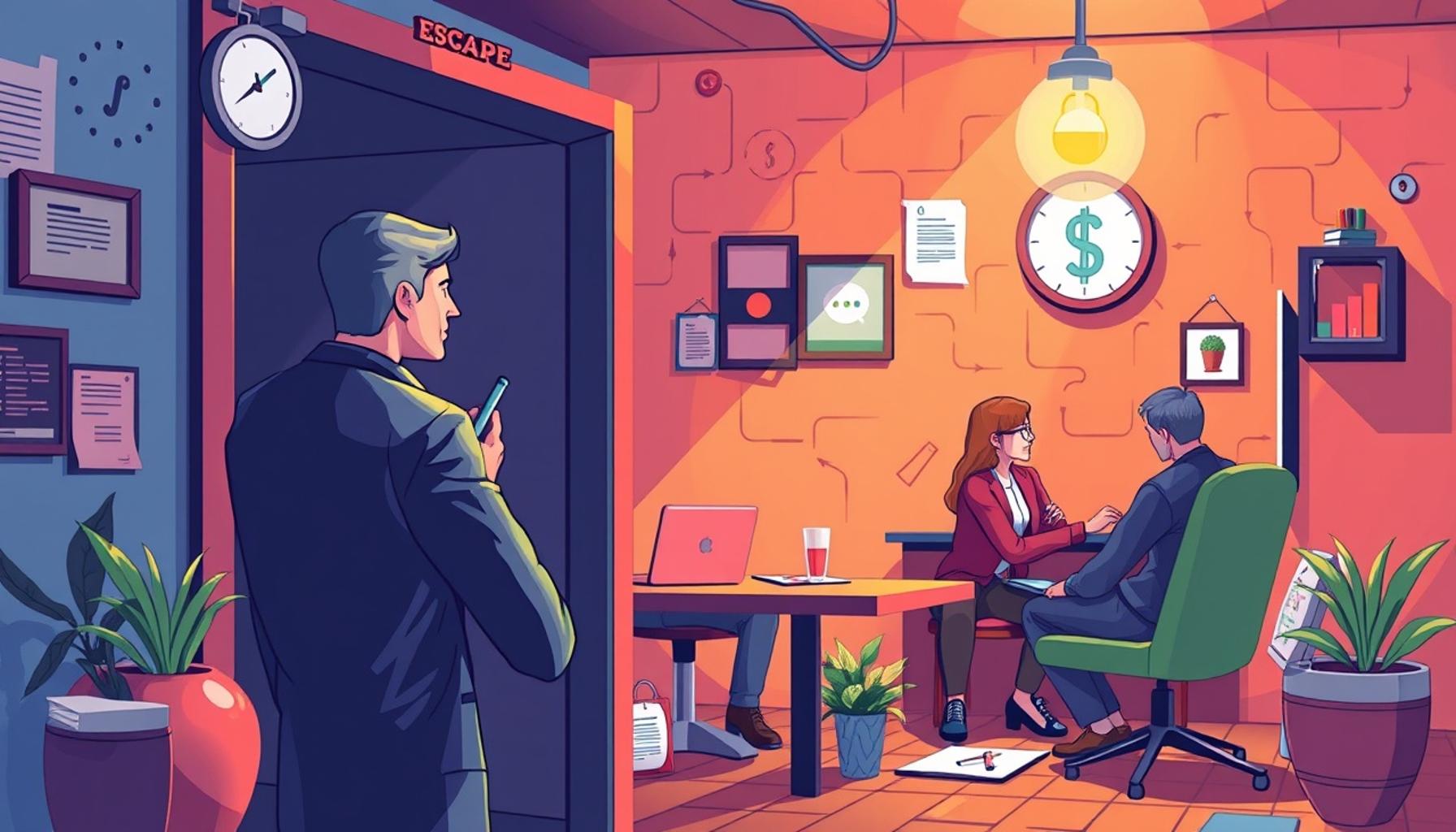
Unlocking Potential Through Innovative Team-Building
In the fast-paced world of business, mental agility and collaboration are critical components for success. As teams navigate complex challenges, finding innovative ways to strengthen these skills becomes essential. Enter escape rooms—an engaging solution that blends fun with strategic thinking. These immersive experiences cater to various business needs, including team cohesion, communication enhancement, and problem-solving abilities, making them a valuable investment for organizations looking to uplift their employees’ collaborative spirit.
Escape rooms challenge participants to work together amidst time constraints. The very essence of the experience is built around the idea that teamwork is not just advantageous but necessary for success. As individuals are thrust into intriguing scenarios, they must navigate through puzzles that stimulate both their cognitive and emotional skills in a time-sensitive environment. Key features of this experience include:
- Real-time collaboration: Participants are required to communicate effectively to crack codes and solve intricate puzzles. This fosters a rapid exchange of ideas and reinforces the importance of clear dialogue among team members.
- Critical thinking: Teams encounter complex obstacles that demand quick thinking and adaptability. They learn to assess situations and devise solutions promptly, which mirrors the pressures often felt in actual workplace scenarios.
- Role assignment: Team members are encouraged to take on various roles, such as leader, communicator, or strategist, which enhances their collaboration skills by allowing them to explore different facets of teamwork and leadership dynamics.
Research indicates that participation in escape room activities can lead to improved team dynamics and increased productivity. A study conducted at a leading university found that teams engaging in such activities reported about a 30% improvement in cooperative skills and morale. Participants often leave not only with a sense of accomplishment but also with a newfound appreciation for their colleagues, building stronger interpersonal relationships that carry over into their daily work routines.
As companies strive to enhance their workplace culture, embracing these novel approaches may prove invaluable. Organizations across the United States have begun incorporating escape rooms as a part of their team-building initiatives. For instance, large tech firms have utilized these experiences to boost creativity and cohesion, thereby elevating their project outcomes and employee satisfaction ratings.

Ultimately, the blend of challenge and teamwork in escape rooms offers a unique opportunity for organizations aiming to sharpen their competitive edge. The question remains—how can your team leverage this experience to foster greater collaboration and agility? Consider organizing a session where your team can unlock not just physical locks, but new levels of communication and teamwork. The potential benefits are tremendous, paving the way for a more unified, efficient workforce.
DIVE DEEPER: Click here to discover more
Experiencing Growth Through Engaging Challenges
Escape rooms are not merely an entertaining diversion; they serve as an effective tool for enhancing mental agility and fostering collaboration within teams. As participants immerse themselves in creative narratives crafted to ignite their imagination, they unlock more than just physical doors. These carefully designed scenarios compel team members to think critically, communicate openly, and develop interpersonal skills essential for navigating workplace dynamics.
One of the primary advantages of escape rooms is their ability to engage teams in collaborative problem-solving under pressure. Each puzzle encountered within the escape room serves as a microcosm of real workplace challenges, requiring participants to rely on one another’s strengths. As they work through the various tasks, they experience firsthand the impact of effective teamwork. Some key elements that contribute to this experience include:
- Dynamic problem-solving: Participants must analyze clues and devise strategies quickly, which promotes agile thinking. This heightened mental agility can lead to more effective decision-making in day-to-day operations, where fast-paced environments are the norm.
- Increased empathy: Engaging in an escape room scenario allows team members to candidly express their thoughts while learning about their colleagues’ responses under stress. This deeper understanding of each other’s perspectives can foster a more empathetic and supportive workplace culture.
- Enhanced leadership skills: Within the escape room, individuals naturally gravitate toward leadership roles, guiding their teams through the challenges. This experience allows participants to identify their leadership styles and adapt to varied group dynamics, refining their approach to collaboration.
According to a survey conducted by a prominent corporate training company, organizations that integrate escape rooms into their employee development programs reported a remarkable 40% increase in teamwork efficacy. The hands-on experience reflects a shift away from traditional team-building exercises towards more experiential learning opportunities that emphasize interaction and engagement.
Moreover, escape room experiences have also been tailored to reflect an organization’s unique culture or objectives, making them an excellent platform for aligning team efforts with company goals. For example, a marketing team may face challenges that require them to think outside the box, mirroring the creative demands of their roles. Similarly, corporate teams can work through scenarios that emphasize collaboration, risk management, and adaptive strategies relevant to their industry.
As diverse industries recognize the potential of using escape rooms for capacity building, various companies have shared success stories of improved morale and productivity following these activities. Employees report increased confidence in their problem-solving abilities and heightened motivation to collaborate beyond the walls of the escape room, translating into better workplace outcomes.
Enhancing Team Dynamics Through Escape Rooms
As organizations strive to improve team mental agility and foster collaboration, escape rooms offer a refreshing and interactive approach to achieving these goals. By placing teams in challenging scenarios that require creative problem-solving and effective communication, these immersive environments serve as practical laboratories for observing how dynamics unfold under pressure.
One of the most striking benefits of escape rooms is their ability to unveil hidden talents and unique skill sets within team members. Each participant brings a different background and perspective to the table. During the escape room experience, individuals are often pushed out of their comfort zones, showcasing their strengths in a collaborative setting. This exposure not only helps to build trust among team members but also highlights the importance of leveraging diverse talents to achieve a common objective.
Moreover, escape rooms inherently encourage teams to develop strategies that promote mental agility. As puzzles become more complex, teams learn to adapt their approaches, analyze failures quickly, and refine their tactics—all essential skills in today’s fast-paced work environment. These skills translate well beyond the escape room, fostering a culture of adaptability and continuous improvement that can greatly benefit workplace operations.
Furthermore, organizations engaging in escape rooms often witness a surge in morale and camaraderie. The shared experience of overcoming challenges fosters deeper connections among team members, which can lead to improved workplace relationships and collaboration long after the puzzles have been solved. This newfound connection is crucial, especially in remote or hybrid work settings where teams may struggle with feelings of isolation.
| Advantages | Description |
|---|---|
| Skill Discovery | Unveils hidden talents, showcasing individual strengths. |
| Team Cohesion | Enhances relationships, fostering deeper connections within teams. |
| Adaptability Training | Encourages quick thinking and strategy adjustments under pressure. |
| Improved Morale | Boosts team spirit and motivation through shared achievements. |
In conclusion, the experience of navigating through escape rooms not only serves to enhance team mental agility but also establishes a foundation for fruitful collaboration. As teams become better equipped to face the challenges both within the room and the workplace, they evolve into more agile and cohesive units, ready to tackle any hurdle ahead.
DISCOVER MORE: Click here to enhance your memory with crossword puzzles
Cultivating Critical Thinking and Connection
In today’s fast-paced workplace, the ability to think critically and collaborate effectively is paramount. Escape rooms provide an exhilarating environment where team members can sharpen these skills while enjoying a break from routine. The combination of immersive storytelling and intricate puzzles stimulates both individual and collective problem-solving capabilities, creating opportunities for deeper connections among colleagues.
At the heart of the escape room experience lies the art of critical thinking. As participants encounter multifaceted challenges, they must quickly analyze information, evaluate options, and make strategic decisions. This process mirrors real-world business scenarios where fast and informed choices are essential. Research shows that engaging in activities like escape rooms not only boosts cognitive skills but also increases a team’s overall adaptability to unforeseen situations, promoting resilience in the face of workplace challenges.
Furthermore, these challenges allow teams to explore multi-dimensional strategies, transforming the way they approach problem-solving tasks. For example, when faced with a time constraint, team members are encouraged to share ideas rapidly, prompting discussions that may lead to more innovative solutions. This practice nurtures a collaborative spirit, encouraging each participant to contribute their unique insights while building a foundation of trust and respect among team members. This is particularly vital, as a trusted team environment leads to greater engagement in everyday tasks, significantly impacting performance.
Consider the example of tech companies that have adopted escape rooms as part of their training regimen. By simulating the urgency and complexity of launching a new product, these organizations allow teams to confront realistic challenges that require synchronized efforts and creative thinking. According to a study by the Society for Human Resource Management (SHRM), teams that regularly participate in such strategic exercises demonstrate a 25% improvement in collective problem-solving abilities, which translates directly to enhanced efficiency in project execution.
Moreover, the lessons learned inside escape rooms extend far beyond the hour spent locked in a room. Teams often find that the skills developed during these exercises enable them to communicate more effectively and handle conflicts more constructively back in the office. With a shared experience to reference, employees can draw upon valuable memories that make discussing challenges more approachable and engaging. This newfound synergy can become a catalyst for enhanced collaboration, encouraging a culture where continuous improvement is welcomed and each member feels valued.
Companies that have effectively integrated escape rooms into their team-building efforts report not just improved collaboration, but also a notable boost in employee morale. When workers feel connected and supported in achieving common goals, they exhibit increased job satisfaction, which is essential in preventing burnout and high turnover rates. For instance, organizations that track employee engagement metrics have illustrated a significant correlation between participation in collaborative activities like escape rooms and heightened levels of workplace satisfaction.
In essence, utilizing escape rooms as a platform for team engagement taps into the fundamental characteristics that drive successful collaboration: communication, trust, and critical thinking. As businesses continue to seek innovative methods for enhancing team dynamics, escape rooms stand out as an effective and enjoyable approach to fostering a collective mindset that is agile, connected, and unbounded by conventional limitations.
DISCOVER MORE: Click here to delve deeper
Unlocking Team Potential Through Engaging Experiences
As we reflect on the myriad benefits of utilizing escape rooms for enhancing team mental agility and collaboration, it becomes clear that these unique experiences serve as more than just entertaining diversions. By immersing teams in intricate challenges that require critical thinking and rapid decision-making, organizations are not only fostering problem-solving skills and resilience but also strengthening interpersonal relationships among colleagues. The dynamics established within escape rooms can significantly improve day-to-day interactions, resulting in a more cohesive and high-performing workforce.
Moreover, with the reported 25% improvement in team problem-solving abilities, it is evident that the impact of these activities is both quantifiable and substantial. Adaptability, communication, and trust cultivated in a fun environment translate into a more engaged workforce, ultimately leading to enhanced job satisfaction and reduced turnover rates. It’s no surprise that many businesses perceive escape rooms as invaluable tools for team development.
In a world where teamwork and agility are paramount for success, incorporating escape rooms into team-building strategies can ignite new levels of creativity and collaboration. As organizations continue to navigate the complexities of modern business landscapes, it becomes increasingly important to invest in innovative approaches that not only entertain but also empower teams. Embracing the grip of an escape room can be the key to unlocking your team’s potential—one puzzle at a time.
Related posts:
Exploring the Connection Between Mindfulness Practices and Mental Agility in Puzzle Solving
Puzzles as Tools for Developing Problem-Solving Skills: A Path to Mental Agility
Virtual Reality Puzzles: Revolutionizing Mental Agility Training in the Digital Age
The Influence of Age on Mental Agility: How Mind Games Adapt Across Generations
The Role of Language Games in Enhancing Mental Agility: A Linguistic Perspective
The Psychological Benefits of Mind Games: Fostering Resilience and Adaptability Through Puzzles

Linda Carter is a writer and puzzle expert specializing in mind games, brain teasers, and cognitive challenges. With extensive experience helping individuals enhance their problem-solving skills and think critically, Linda shares her knowledge on our platform. Her goal is to empower readers with practical advice, engaging puzzles, and strategies to sharpen their minds and achieve success in the captivating world of mind games and puzzles.