
The Science Behind Mental Agility: How Mind Games Stimulate Neuroplasticity
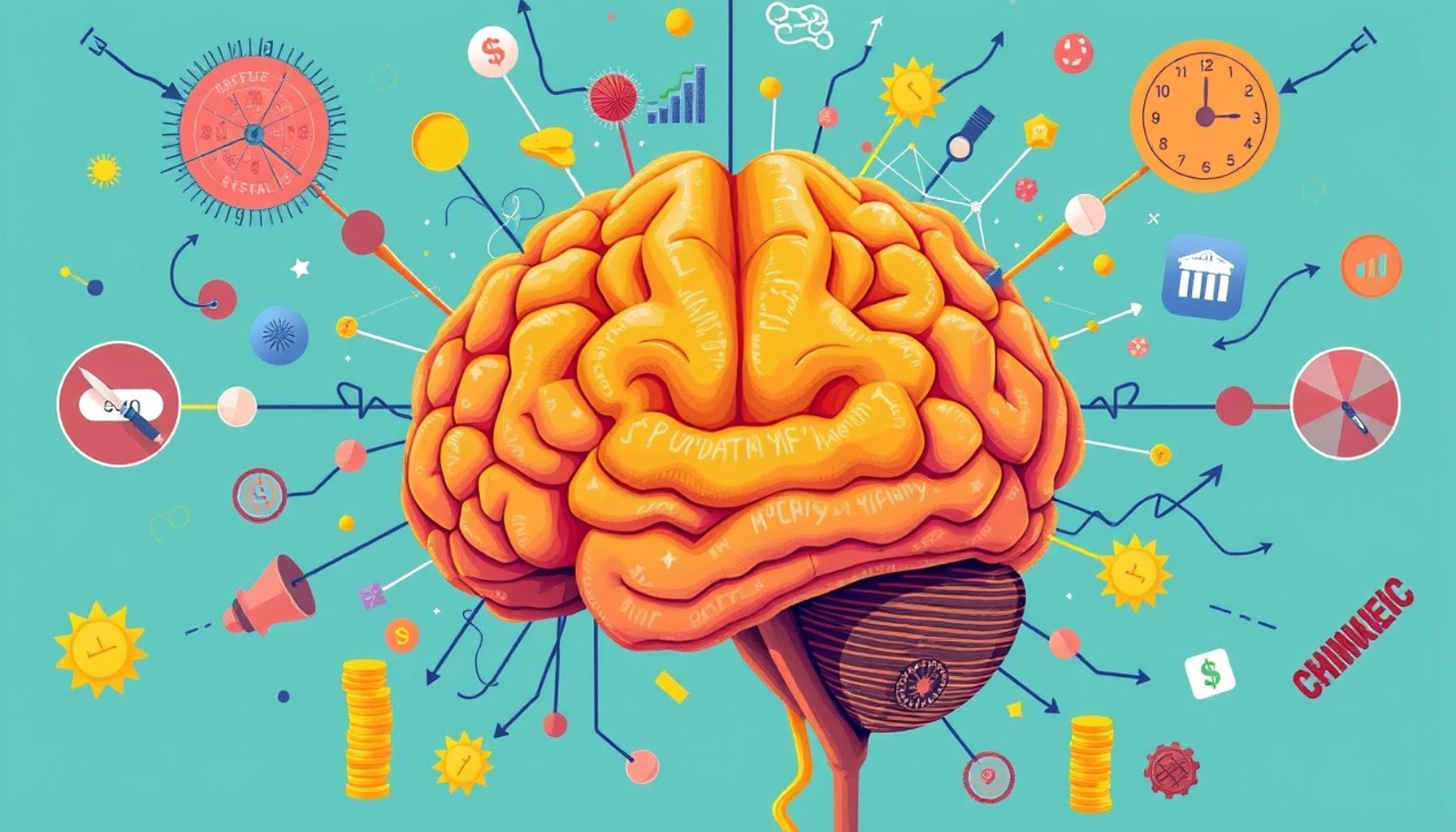
The Marvels of Neuroplasticity
The human brain is an extraordinary organ, uniquely equipped to adapt, learn, and evolve throughout a person’s life. This adaptability is primarily due to a phenomenon known as neuroplasticity, which refers to the brain’s ability to reorganize itself by forming new neural connections. Unlike other organs, the brain remains incredibly malleable, enabling individuals to enhance cognitive skills, overcome challenges, and improve problem-solving abilities, regardless of age.
To unlock this vast potential, various engaging methods have been developed, with mind games standing out as a particularly effective means of stimulating neuroplasticity. These games don’t merely serve as entertainment; they are structured challenges that promote cognitive engagement and innovative thinking. Here are some critical aspects of how mind games facilitate this remarkable capacity:
- Engagement: Mind games such as Sudoku, crosswords, and brain teasers encourage active participation, captivating players in a way that promotes critical thinking. For example, a player solving a complex crossword puzzle must draw upon their vocabulary, reasoning skills, and pattern recognition, all of which engage multiple areas of the brain.
- Variety: The landscape of mind games is vast, encompassing puzzles, memory challenges, and strategy-based games like chess or Go. Each of these targets different cognitive functions, stimulating memory retention, logical reasoning, and spatial awareness. Research indicates that diversifying cognitive challenges can maximize brain engagement and growth.
- Repeated Practice: Regularly indulging in these games leads to strengthened neural pathways, benefiting overall brain health. Just like physical exercise builds muscle, cognitive exercise fortifies the brain, which can lead to improved memory and enhanced mental agility.
Numerous studies back up these assertions, showing that engaging with mind games can stave off cognitive decline and even generate new pathways in the brain. A notable study conducted by neuroscientists at the University of California, Irvine, revealed that seniors who participated in regular brain training exercises showed significant improvements in cognitive processing speed compared to those who did not.
The undeniable relationship between play and cognitive development highlights the importance of incorporating mind games into daily routines. Whether it be through mobile applications that offer daily puzzles or family game nights with classic board games, fostering an environment of cognitive engagement is essential at all life stages. As researchers continue to explore the intricacies of neuroplasticity, the promise of using mind games to enhance mental agility represents an exciting frontier in both psychology and educational practices. Thus, understanding how these stimulating activities promote brain development could lead to innovative strategies for enhancing mental capabilities and overall quality of life.
DIVE DEEPER: Click here to uncover the impact of strategy games on critical thinking
Understanding Cognitive Engagement Through Mind Games
Mental agility is not an innate trait; rather, it is a skill that can be cultivated through deliberate practice and engagement with the right activities. Mind games play a pivotal role in this development, serving as a stimulating platform that not only entertains but also challenges the brain. The science behind it lies in the brain’s remarkable capacity to change and adapt through neuroplasticity. Engaging in mind games creates opportunities for learning, which stimulates neural growth in various cognitive domains.
To grasp how mind games enhance mental agility, it is essential to explore the various cognitive benefits they provide. Here are several key areas where mind games can make a significant impact:
- Enhancement of Memory: Games that require players to recall information, such as memory card games or trivia, promote improved memory retention. Neuroscientific research indicates that challenging the brain to retrieve information strengthens synapses—the connections between neurons—ultimately leading to enhanced memory capacity.
- Improved Problem-Solving Skills: Strategy-based games, like chess or Go, push players to formulate long-term strategies and consider multiple potential outcomes. These games not only bolster logical reasoning but also improve the ability to think abstractly, both crucial components of effective problem-solving.
- Boosted Attention Span: Many mind games demand a high degree of focus, training the brain to maintain sustained attention over extended periods. This aspect is vital given the increasing prevalence of distractions in our daily lives, and enhancing focus through playful engagement can yield significant benefits in academic and professional spheres.
Moreover, recent findings highlight that the benefits of mind games are not restricted to the young or the tech-savvy. A comprehensive study conducted by researchers at the University of Florida demonstrated that older adults who regularly engaged in cognitive games experienced a noticeable delay in the onset of cognitive decline. They found that subjects participating in memory and logic games had improved attention control and problem-solving skills, indicators of robust brain health.
This evidence underscores an essential takeaway: makers of mind games are not just promoting leisure but are also nurturing a medium for cognitive exercise. Channelling the principles of neuroplasticity through these games empowers individuals to forge new neural pathways, enhance their mental processing capabilities, and continue learning throughout life. As we examine how different types of mind games can stimulate brain function, it becomes increasingly evident that these playful activities hold incredible promise in the pursuit of mental agility.
The Science Behind Mental Agility: How Mind Games Stimulate Neuroplasticity
Engaging in mind games is not just a pastime; it holds the power to transform your brain’s functionality. The concept of neuroplasticity refers to the brain’s ability to reorganize itself by forming new neural connections throughout life. Research indicates that challenging cognitive tasks, such as puzzles, strategy games, and memory exercises, can significantly boost this neural adaptability.
One fascinating aspect of mental agility is its correlation with improved cognitive performance. Engaging in these activities stimulates various brain regions, enhancing memory, problem-solving skills, and even emotional regulation. For instance, studies have shown that individuals who regularly participate in brain-training games demonstrate better attention spans and quicker response times than their less engaged peers.
Moreover, the emotional benefits of mind games can be profound. Taking the time to invest in cognitively stimulating activities not only reduces the risk of developing age-related cognitive decline but also fosters a sense of achievement and satisfaction. This can lead to increased motivation and, consequently, a lifelong love of learning.
In today’s fast-paced digital environment, the importance of maintaining mental sharpness cannot be overstated. With a simple shift towards interactive brain games, you are not just having fun; you are actively participating in developing a healthier brain. The science behind mental agility is not just an academic concept; it is a pathway to obtaining both immediate rewards in your day-to-day life and long-term benefits for your mental health.
| Advantages of Mind Games | Benefits to Neuroplasticity |
|---|---|
| Enhanced Problem Solving | Improved neural pathways allow faster and more efficient solutions. |
| Increased Memory Retention | Strengthens connections between neurons, resulting in better recall. |
| Boosted Creativity | Fosters new ideas and concepts through unique neural connections. |
| Better Emotional Regulation | Promotes connectivity in emotional centers of the brain. |
Incorporating mind games into your routine is an underappreciated yet powerful tool for enhancing mental agility. Not only can it be enjoyable, but it could also be one of the most constructive choices for cognitive health over time.
DISCOVER MORE: Click here to enhance your analytical skills
The Role of Mind Games in Strengthening Cognitive Functions
As we delve deeper into how mind games foster mental agility, it becomes clear that their impact transcends mere entertainment. These cognitive challenges are meticulously designed to stimulate numerous parts of the brain, thereby enhancing overall cognitive functions. This phenomenon is rooted in neuroplasticity, which refers to the brain’s ability to reorganize itself by forming new neural connections throughout life. Engaging in a variety of mind games not only supports neuroplasticity but also encourages resilience in cognitive performance.
One specific type of mind game that has gained traction in recent years is the puzzle game genre. Games like Sudoku and crossword puzzles are examples of activities that demand logical reasoning, pattern recognition, and language proficiency. Research from the University of Michigan shows that activities aimed at solving puzzles can activate the prefrontal cortex, an area responsible for critical thinking and decision-making. By routinely challenging ourselves to complete puzzles, we effectively enhance not just our analytical skills but also our ability to create and implement strategies.
- Enhancement of Processing Speed: Fast-paced games such as Speed or Lumosity are associated with improving processing speed. These games require players to make quick decisions and rapidly analyze information. Studies indicate that those who partake in these activities regularly experience increased brain efficiency, translating into quicker cognitive reactions in real-world situations.
- Fostering Creativity: Creative and open-ended games like brainstorming sessions or visual design exercises encourage players to think outside the box. Engaging in these activities triggers divergent thinking, which is essential for innovation and problem-solving across various fields. A US-based research initiative found that individuals who played improvisation games had measurable increases in creative output within just weeks.
- Social Interaction and Emotional Intelligence: Multiplayer games, whether online or traditional board games, foster social interaction. These games require teamwork, communication, and negotiation, all of which enhance emotional intelligence. Research suggests that social games can stimulate the anterior cingulate cortex, which plays a key role in emotional regulation and understanding social dynamics.
Moreover, the adaptability of mind games allows them to cater to varying skill levels and age groups. For example, recent developments have seen educational app creators design cognitive games specifically for young children, fostering early cognitive development. These games aim to improve skills such as number recognition, spatial awareness, and effective communication. One notable case is the widely popular “Prodigy Math,” which immerses students in a fantasy world where they advance by solving math problems, making learning both fun and impactful.
For older adults, mind games like card games or memory apps serve to keep the brain engaged and stave off cognitive decline. Data reveals that retaining mental engagement through games can be instrumental in improving quality of life and maintaining independence longer into adulthood. Various studies, including one published in the “Journal of Aging and Health,” emphasized the positive correlation between regular participation in cognitive activities and longevity in healthy brain function.
In essence, the spectrum of cognitive enhancement provided by mind games is vast. These activities do not merely serve the purpose of entertainment but stand as a critical pillar in fostering neuroplasticity and enhancing mental agility. As researchers continue to uncover the depths of how mind games influence brain function, the potential for using these tools as a means of cognitive training cannot be overstated. Whether young or old, every interaction with these playful yet challenging platforms equips the mind with invaluable tools for growth and adaptability.
DISCOVER MORE: Click here to dive deeper
Conclusion: Unlocking the Potential of the Mind Through Play
In summary, the intricate relationship between mind games and neuroplasticity reveals a profound truth about the potential for cognitive enhancement through playful engagement. As we have explored, these brain-stimulating activities do far more than entertain; they lay the groundwork for improved mental agility by forging new neural connections and enhancing cognitive resilience. From puzzle games that challenge our problem-solving skills to speed-based games that boost processing speed, each experience contributes uniquely to the tapestry of brain function.
Moreover, the inclusion of social and creative elements in many mind games not only fortifies analytical thinking but also cultivates emotional intelligence and fosters creativity—two attributes that are essential in today’s rapidly evolving landscape. As research continues to illuminate the ways in which our brains adapt and grow, it becomes increasingly clear that regular engagement in cognitive activities can serve as a cornerstone for lifelong mental fitness.
With the development of various mind games tailored for both young children and older adults, the accessibility of these cognitive tools has never been greater. As we embrace these challenges, we are not only enhancing our own cognitive abilities but also paving the way for future generations to thrive in their mental capacities. Therefore, let us recognize the transformative power of mind games—not simply as a pastime but as an engaging path to unlocking our minds’ full potential.
Related posts:
Gamification of Learning: Enhancing Mental Agility Through Interactive Puzzle-Based Education
The Role of Competitive Mind Games in Boosting Mental Agility Among Adults
Puzzles as Tools for Developing Problem-Solving Skills: A Path to Mental Agility
Cultural Variations in Puzzle Preferences: Impact on Mental Agility Across Different Societies
The Influence of Age on Mental Agility: How Mind Games Adapt Across Generations
Using Escape Rooms as a Fun Approach to Enhance Team Mental Agility and Collaboration

Linda Carter is a writer and puzzle expert specializing in mind games, brain teasers, and cognitive challenges. With extensive experience helping individuals enhance their problem-solving skills and think critically, Linda shares her knowledge on our platform. Her goal is to empower readers with practical advice, engaging puzzles, and strategies to sharpen their minds and achieve success in the captivating world of mind games and puzzles.