The Role of Strategy Games in Developing Critical Thinking

The Role of Strategy Games in Cognitive Development
In today’s fast-paced world, strategy games serve as both a source of entertainment and a powerful tool for fostering critical thinking skills. The complexity of these games requires players to think analytically and creatively, engaging them in problem-solving essential for navigating both virtual and real-life challenges. The growing recognition of these benefits has prompted educational institutions to explore incorporating strategy games into their curricula, further underscoring the value of these engaging pastimes.
Problem-solving in Strategy Games
One of the most fundamental aspects of strategy games is their focus on problem-solving. Players are frequently faced with intricate scenarios that demand out-of-the-box thinking. For instance, in a game such as Settlers of Catan, players must negotiate trades while strategically acquiring resources to build roads and settlements. This requires creative solutions to gain a competitive edge over opponents, illustrating how strategic decision-making can translate well into real-world problem-solving abilities.
The Art of Decision-making
Another hallmark of strategy games is decision-making. Players are often required to weigh several options simultaneously while predicting potential outcomes. In StarCraft, players must react to their opponents’ tactics in real-time, making swift and calculated decisions that will dictate the course of the game. This not only hones players’ ability to make immediate decisions but also trains them to remain calm under pressure—a skill that is applicable in various high-stakes environments, such as business or emergency situations.
Resource Management Techniques
Resource management is an integral component of many strategy games, exemplifying the intricacies of planning and organization. In Civilization VI, players must manage their civilization’s resources, technology, and military while striving for world domination. This game encourages players to cultivate their strategic foresight, as poor management can lead to resource shortages or economic decline, mirroring challenges faced in real-life project management or budgeting scenarios.

The Educational Relevance of Strategy Games
As the educational sector becomes increasingly aware of the cognitive advantages provided by strategy games, there is a growing emphasis on integrating these games into traditional learning environments. Programs aimed at the development of critical thinking skills through gameplay are being piloted in schools across the United States, highlighting an innovative approach to enhancing learning outcomes. By understanding the connection between strategy games and cognitive advancement, educators are better equipped to prepare students for future challenges, both in academics and in their professional lives.
In summary, the intersection of entertainment and cognitive development through strategy games reveals a fascinating opportunity to cultivate essential life skills. Whether playing a board game with family or diving into immersive video games, the benefits are undeniable. As society continues to embrace these valuable tools, the integration of strategy games into learning frameworks may pave the way for a future where critical thinking is prioritized in both education and beyond.
DIVE DEEPER: Click here to discover the benefits of jigsaw puzzles
Engagement and Cognitive Challenges of Strategy Games
Strategy games create an engaging environment that challenges players to stretch their intellectual abilities. These games often present players with a myriad of challenges that require them to employ strategic thinking, a cornerstone of critical thinking development. The mechanics of these games not only entertain but also stimulate reasoning and analytical skills essential for real-life problem-solving. Each interaction within the game molds cognitive processes that mirror everyday decision-making used in various situations, from work environments to personal dilemmas.
Strategic Thinking and Long-term Planning
One significant component of strategy games is the emphasis on long-term planning. Players are encouraged to think several steps ahead, predicting the consequences of their actions while considering the possible responses from their opponents. For example, in games like Risk, players must carefully select their strategies to conquer territories while maintaining their existing holdings. This foresight encourages an understanding of resource allocation and positional advantage, traits that are invaluable in both academic settings and real-life business scenarios.
Complexity and Adaptability
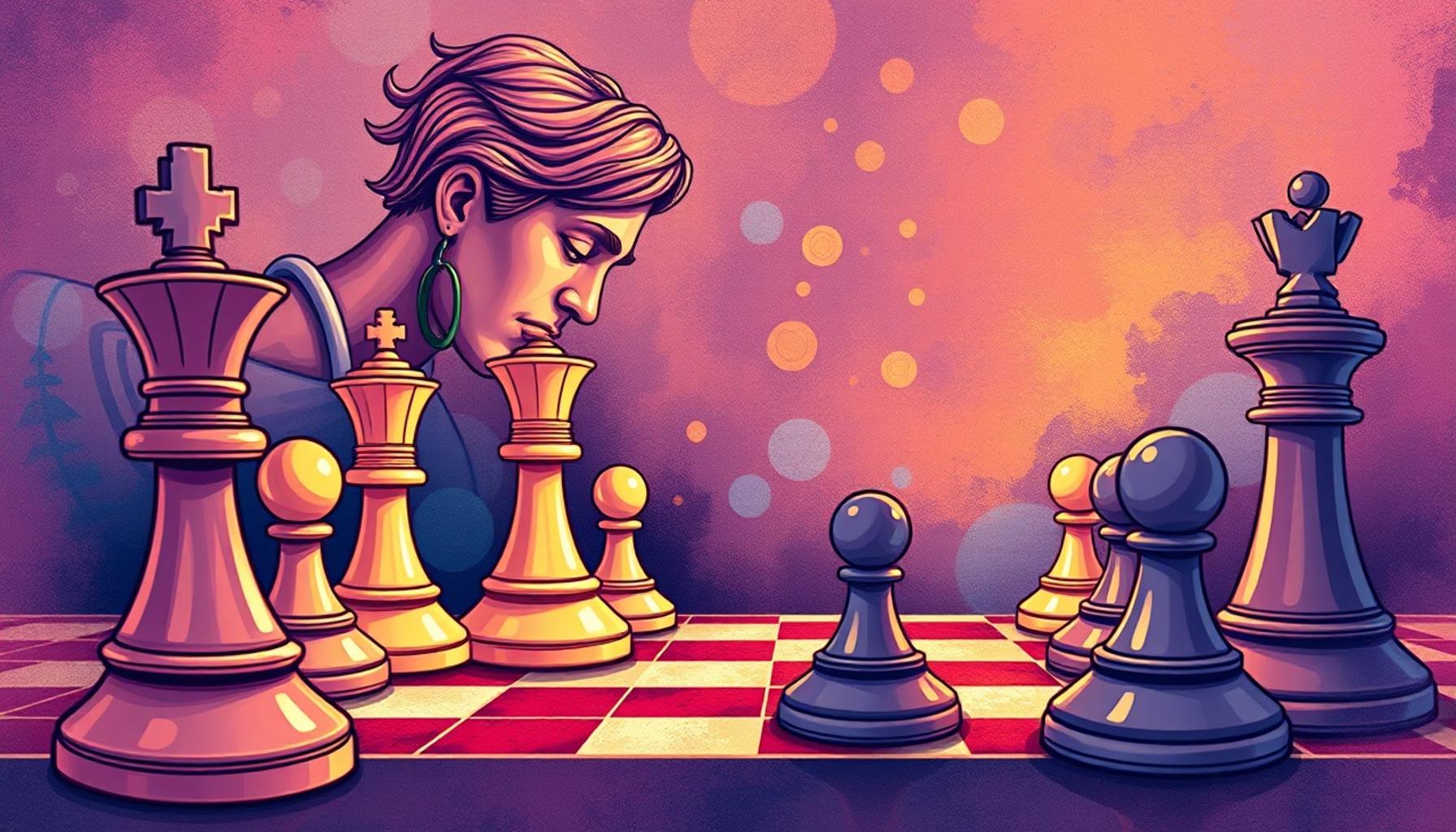
Another critical aspect is the complexity inherent in strategy games. Players often face multiple variables and incomplete information, requiring them to adapt their strategies on the fly. In games such as Chess, for example, players must comprehend not only their own tactics but also anticipate their opponent’s moves. This adaptability cultivates a flexible mindset that is essential for navigating unpredictable situations in the real world, fostering resilience and ingenuity.
The Social Dimension of Strategy Games
Furthermore, strategy games often involves a social dimension that enhances critical thinking through collaboration and competition. Multiplayer settings create opportunities for dialogue, negotiation, and conflict resolution among players. When discussing strategies or teaming up for collective goals, participants engage in articulate reasoning that enhances their communicative competence. Engaging with others requires a level of social intelligence that further develops critical thinking skills, making these interactions a vital component of learning through play.
Key Skills Fostered Through Strategy Games
- Analytical Skills: Players learn to dissect complex situations, breaking down components to understand underlying patterns.
- Creative Problem-Solving: The iterative process of trial and error in gameplay leads to innovative solutions.
- Predictive Reasoning: The ability to forecast outcomes based on current actions promotes foresight in decision-making.
- Teamwork and Collaboration: Many strategy games require players to work together, fostering essential interpersonal skills.
- Adaptability: Quickly adjusting strategies in response to new challenges sharpens cognitive flexibility.
Recognizing the myriad benefits of strategy games, educators are beginning to harness their power to cultivate critical thinking skills in students. Integrating these games into the classroom not only enhances engagement but also provides a unique platform for developing essential life skills. By doing so, students are better prepared for the complex decision-making landscape of the modern world.
The Role of Strategy Games in Developing Critical Thinking
Strategy games serve as a compelling medium for honing critical thinking skills. They offer players complex scenarios that require methodical planning and decision-making. The immersive nature of these games means that each choice can yield a variety of outcomes, demanding players to think several steps ahead.
Furthermore, strategy games teach players to analyze information and adapt their tactics based on changing game dynamics. This dynamic environment fosters a mindset of flexibility, where young minds can practice not only coping with setbacks but also leveraging them for future success. The process of weighing options and predicting opponents’ moves translates well into real-life decision-making inquiries, allowing individuals to cultivate a strategic approach in personal and professional settings.
With technology becoming ever more integrated into our lives, the relevance of strategy games continues to rise. Whether it be through classic board games or modern digital formats, the ability to evaluate multiple perspectives and develop sound strategies remains a vital skill. The versatility in which players can engage in problem-solving enhances their capacity to tackle complex issues outside the gaming environment, both academically and socially.
| Advantages of Strategy Games | Impact on Critical Thinking |
|---|---|
| Encourages Strategic Planning | Enables players to devise and implement long-term plans. |
| Enhances Problem-Solving Skills | Players learn to address challenges with innovative solutions. |
| Fosters Adaptability | Players adjust their strategies as the game’s scenario evolves. |
| Promotes Team Collaboration | Strategy games often encourage group dynamics and cooperative problem-solving. |
As such, the inclusion of strategy games in educational frameworks can support the development of these skills, making them not just a source of entertainment, but a vital tool for intellectual growth. By exploring these games, players may unlock not only new levels of engagement but also richer opportunities for personal and cognitive development.
DISCOVER: Click here to learn more
Real-world Applications of Skills Gained from Strategy Games
As players engage with strategy games, they are not only sharpening their minds during gameplay but also acquiring transferable skills that hold significant value in real-world scenarios. The combination of analytical thinking, foresight, and adaptability developed through these games can be pivotal in various sectors, including education, business, and personal development.
Educational Transformation Through Gameplay
In educational settings, strategy games have the potential to transform traditional pedagogical approaches. Educators are increasingly recognizing how game-based learning can enhance critical thinking among students. For example, incorporating games like Civilization into history or geography curricula allows students to explore complex socio-political dynamics and resource management. Learners actively navigate historical events and make decisions that lead to various outcomes, fostering a deeper understanding of the subject matter.
Furthermore, a study published by the International Society for Technology in Education found that students engaging in strategy-based games demonstrated increased analytical skills compared to their peers not exposed to this type of learning. This highlights the effectiveness of games as a medium for developing critical thought in a structured manner.
Strategic Skills in Business Environments
In the business world, the capacity to think critically and strategize effectively can dramatically influence outcomes. Employers actively seek candidates who exhibit strong decision-making skills and the ability to analyze situations from various angles. Strategy games, particularly those that involve competition or resource management, simulate high-pressure scenarios that mimic a real-world business environment.
Take, for instance, games like StarCraft, which requires players to develop strategies while managing limited resources and adapting to opponents’ tactics. Professionals who engage with such games often develop sharper abilities in market analysis, competitive strategy, and risk management. This skill set is invaluable as companies increasingly rely on data-driven decision-making and innovation.
Problem-Solving Resilience for Personal Development
Strategy games also contribute to personal growth, allowing individuals to hone problem-solving resilience. The iterative nature of gameplay encourages players to embrace failure as part of the learning process. By experimenting with different strategies, they learn that setbacks are opportunities for improvement. This mindset fosters resilience, equipping players to approach challenges in their personal and professional lives with a proactive and adaptable outlook.
Moreover, research from the American Psychological Association indicates that players of strategy games report higher levels of self-efficacy and confidence in their decision-making abilities. Such attributes are crucial not only for leadership but also for effectively navigating the complexities of modern life, from making informed financial decisions to resolving interpersonal conflicts.
Future of Strategy Games in Skill Development
The continuous evolution of technology opens new avenues for the integration of strategy games into learning and development. With advancements in virtual reality (VR) and augmented reality (AR), players can engage in immersive experiences that further enhance critical thinking. As these technologies become more accessible, the potential for shaping cognitive skills through gaming will only increase.
In conclusion, the world of strategy games is rich with lessons that transcend the screen. Engaging with these complex, thought-provoking experiences not only cultivates critical thinking but also prepares individuals for the challenges of the real world—making them a powerful tool for personal and professional development.
DISCOVER MORE: Click here to dive deeper
Conclusion
In summary, the impact of strategy games on developing critical thinking skills is profound and far-reaching. These games encourage players to engage in complex decision-making while honing their analytical abilities and strategic foresight. As outlined, the crossover of these skills into real-world applications—from education to business and personal growth—illustrates their importance in navigating today’s challenging environments.
Research consistently shows that players who participate in strategy games often outperform their peers in analytical tasks and problem-solving scenarios. This is not just a matter of increased cognitive ability; it’s about cultivating a mindset equipped to confront challenges with creativity and resilience. As noted in various educational studies, engaging in gameplay that emphasizes strategy can also lead to greater self-efficacy among students, fostering a climate of inquiry and discovery.
Furthermore, the advent of innovative technologies such as VR and AR promises to revolutionize the landscape of strategy games, making them more immersive and potentially enriching cognitive skill development further. By integrating these dynamic experiences into learning curricula and workplace training, we can harness the full potential of strategy games as powerful educational tools.
As society continues to evolve, an emphasis on developing critical thinking skills through strategy games remains not only relevant but crucial. With the ability to shape future leaders, entrepreneurs, and innovators, the strategic gaming world offers a rich playground for mental development and prepares individuals to face the complexities of an increasingly interconnected world. To truly leverage this potential, it is essential for educators, business leaders, and policymakers to recognize and advocate for the integration of strategy games into various domains of learning and development.
Related posts:
The Connection Between Chess and Cognitive Flexibility
Enhancing Memory Through Crossword Puzzles
How Logic Games Enhance Analytical Thinking
How Mind Mapping Games Foster Creative Problem Solving
The Benefits of Jigsaw Puzzles for Visual-Spatial Intelligence
The Impact of Virtual Reality Puzzles on Spatial Awareness and Navigation Skills

Linda Carter is a writer and puzzle expert specializing in mind games, brain teasers, and cognitive challenges. With extensive experience helping individuals enhance their problem-solving skills and think critically, Linda shares her knowledge on our platform. Her goal is to empower readers with practical advice, engaging puzzles, and strategies to sharpen their minds and achieve success in the captivating world of mind games and puzzles.