
The Interplay of Self-Discipline and Time Management
In an era where distractions lurk at every corner, mastering productivity is essential. Understanding how self-discipline and time management work together can significantly enhance one’s ability to achieve their goals, whether these are personal aspirations or professional milestones. The intertwining of these two skills not only boosts efficiency but also fosters a sense of accomplishment and well-being.
Self-discipline is the art of maintaining focus and resisting the allure of diversions. For example, a student preparing for final exams might face the temptation of scrolling through social media instead of studying. Cultivating self-control enables them to prioritize their academic workload, set aside distractions, and dedicate specific time slots for study sessions. Techniques like the Pomodoro Technique, which involves working for focused 25-minute intervals followed by a short break, can bolster self-discipline by providing structured periods of concentrated effort.
On the other hand, time management involves effectively orchestrating how one allocates their time across various tasks. The Eisenhower Matrix is an excellent tool that helps individuals categorize tasks based on urgency and importance. For instance, a busy working professional might categorize their daily responsibilities into four quadrants: urgent and important, important but not urgent, urgent but not important, and neither urgent nor important. By prioritizing tasks in this way, the individual can allocate time more judiciously, ensuring that energy is spent on what truly matters.
The interplay between self-discipline and time management creates a feedback loop that can magnify productivity. Good time management typically reduces the stress of impending deadlines, which enhances one’s ability to stay disciplined. For instance, if a person adheres to a structured daily schedule, they are less likely to feel overwhelmed and more likely to maintain their focus on tasks. Conversely, a high level of self-discipline will lead to better adherence to time management practices, creating a virtuous cycle of enhanced productivity.
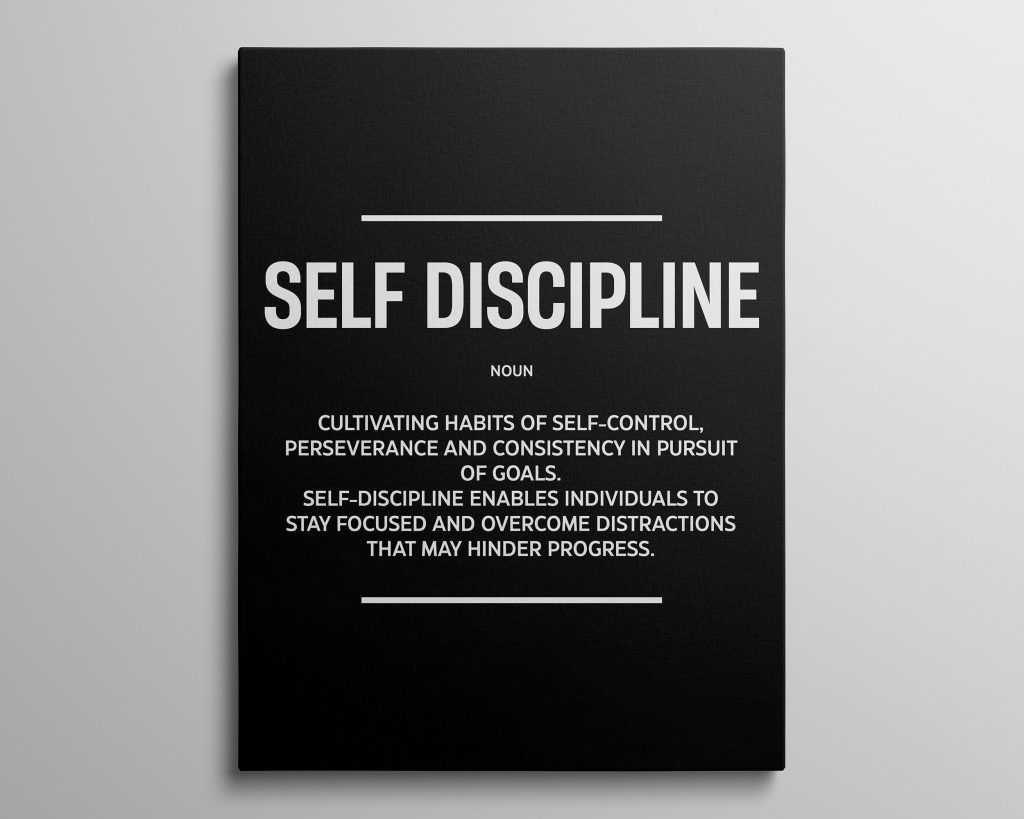
As we delve deeper, it becomes evident that exploring techniques to enhance both self-discipline and time management can yield transformative results. Tips such as creating a daily or weekly planner, setting specific goals, and holding oneself accountable can illuminate paths to success. By investing time in developing these skills, one can not only tackle short-term challenges but also lay the groundwork for enduring achievement in various life pursuits.
DISCOVER MORE: Click here to unlock the secrets of productivity
The Foundations of Self-Discipline
Understanding self-discipline is crucial for anyone looking to enhance their productivity levels. At its core, self-discipline is the ability to summon personal control when faced with distractions and temptations. It goes beyond simply resisting short-term pleasures; it is about making deliberate decisions that align with long-term objectives. This undertaking requires mental strength and resilience, vital for transforming moments of indecision into purposeful, productive activities. For example, an individual pursuing a professional certification may choose to prioritize study time over social engagements, illustrating self-discipline in practice.
The Distractions of Modern Life
In today’s digital era, distractions abound—especially with smartphones becoming ubiquitous. Notifications from social media, incessant emails, and streaming services can quickly interrupt focus, leading to loss of momentum. A rampant problem among professionals and students alike is the propensity to engage in “doomscrolling,” where time intended for productive work dissipates while browsing through endless content. This phenomenon exemplifies why fostering self-discipline is essential for effective time management, as it empowers individuals to set boundaries and prioritize responsibilities over fleeting distractions.
Supporting Research
Research supports the critical connection between self-discipline and time management. A notable study published in the Journal of Educational Psychology provides compelling evidence linking self-discipline with improved academic outcomes and effective time allocation. According to this research, students who exhibited high self-discipline not only scored better on tests but also demonstrated a sophisticated ability to manage their time, balancing study with leisure efficiently. This finding resonates strongly in various fields—whether in managing a household, leading a team, or pursuing personal passions.
Strategies to Cultivate Self-Discipline
Fostering self-discipline is not an abstract concept; it involves concrete strategies that lead to improved time management. Here are several actionable steps individuals can take:
- Set Clear Goals: Craft specific, measurable, achievable, relevant, and time-bound (SMART) goals that offer clarity about what one aims to accomplish. For example, rather than vaguely aiming to “get fit,” a SMART goal would entail “jogging three times a week for 30 minutes.” This focused approach enhances motivation and self-discipline.
- Create a Daily Routine: A well-defined schedule is an effective tool for reinforcing self-discipline. By allocating specific times for tasks, individuals can create a structured backdrop that fosters consistent behavior. For instance, establishing a morning routine—such as dedicated time for planning the day—can set a purposeful tone.
- Limit Distractions: Identifying key distractions is the first step in managing them. By turning off smartphone notifications or designating a “quiet zone” at home, individuals can foster an environment that nurtures focus and productivity.
- Utilize Time Management Tools: Leveraging technology can significantly enhance adherence to a disciplined plan. Applications such as Trello, Todoist, and calendar planners not only organize tasks but also serve as reminders of the objectives requiring focus. They facilitate accountability, making it easier to stick to the intended schedule.
The Harmony of Discipline and Time Management
The synergy between self-discipline and time management cannot be overstated. When individuals intentionally practice self-discipline, they create a robust framework for adhering to their time management strategies. This dynamic interplay results in heightened productivity and improved outcomes, making it possible to navigate through an increasingly distracting world. As one adopts these principles, they may uncover additional methodologies to cultivate these attributes, ultimately leading to transformative gains in both personal and professional realms.
The Relationship between Self-Discipline and Time Management in the Pursuit of Productivity
In the quest for enhanced productivity, understanding the interconnectedness of self-discipline and time management becomes paramount. While self-discipline can be regarded as the inner strength to resist distractions and stick to planned tasks, effective time management involves organizing and planning how much time is spent on various activities. The link between these two concepts cannot be overstated, as mastering both skills can lead to significant improvements in overall productivity.
Consider how individuals with high levels of self-discipline tend to prioritize their responsibilities better, translating to more effective time management practices. For instance, those who can say no to temptations are often able to dedicate their focus to higher-priority tasks. This results in a more efficient workflow, as they are less likely to engage in procrastination. Furthermore, self-discipline fosters a sense of accountability, encouraging individuals to set realistic goals and adhere to them, thereby improving their time management strategies.
Moreover, individuals who excel in time management skills frequently find themselves making better use of their productive hours. They set specific deadlines, allocate time blocks for tasks, and regularly evaluate their performance against their goals. All these actions demand a high level of self-discipline to stay committed to the plan and make adjustments when distractions arise. Together, self-discipline and effective time management enable individuals to accomplish more within a shorter timeframe, culminating in a cycle of enhanced productivity. Exploring techniques and strategies integrating these skills can reveal the potential for personal growth in both professional and personal life.
| Category 1 | Category 2 |
|---|---|
| Self-Discipline | Enables focus on tasks without succumbing to distractions. |
| Time Management | Supports efficient scheduling and prioritization of activities. |
| Accountability | Helps individuals adhere to plans and achieve set goals. |
| Enhanced Productivity | Leads to accomplishing more with less time. |
DIVE DEEPER: Click here to uncover the science of goal setting
Building Momentum Through Self-Discipline
Once self-discipline is established, it acts as a catalyst for enhancing time management skills, leading to a productive cycle that can be self-sustaining. Studies show that disciplined individuals are better equipped to develop habits that promote efficient time use. For instance, the “10-minute rule” encourages individuals to devote just ten minutes to a task they tend to procrastinate on. This approach not only reduces the mental barrier to starting a project but often leads to extended periods of engagement once one is in motion. By leveraging the power of small commitments, self-discipline can gradually cultivate the routines necessary for effective time management.
The Role of Self-Discipline in Prioritization
Self-discipline is also integral in the prioritization of tasks. In a landscape filled with competing demands, individuals must often sift through numerous responsibilities to ascertain what deserves their attention. By establishing a clear set of priorities aligned with personal and professional objectives, a disciplined mindset can guide which tasks take precedence. The Eisenhower Matrix, a popular time management tool, can assist in this regard. It divides tasks into four quadrants based on urgency and importance, allowing individuals to focus on what truly matters—an exercise in self-discipline that curates productive engagement.
Accountability and Support Systems
While self-discipline is often viewed as an intrinsically personal journey, social support can significantly enhance an individual’s resolve. Establishing accountability measures with peers or mentors can provide the necessary external motivation to adhere to time management practices. For instance, engaging in productivity groups or finding an accountability partner can create an environment that shares goals and commitments, fostering a sense of responsibility. Studies indicate that individuals who partake in group dynamics around goal-setting report higher levels of motivation and improved outcomes in both productivity and time management.
Mindfulness and Reflection
Another critical aspect of cultivating self-discipline is the practice of mindfulness and reflection. Individuals who take time to evaluate their day-to-day experiences, especially in the context of time management, can identify areas of improvement and success. Reflective practices, such as journaling or weekly reviews, encourage self-awareness—an essential component of self-discipline. By acknowledging patterns of distraction or procrastination, individuals can adjust their strategies effectively, leading to enhanced control over their time.
The Impact of Self-Discipline on Decision-Making
The ability to make informed decisions is another important relationship between self-discipline and time management. Self-discipline nurtures a calm and rational approach to decision-making, which can lead to more fruitful outcomes. Instead of reacting to impulses or making hasty decisions that disrupt schedules, individuals can take a step back, assess their priorities, and choose actions that align with their longer-term goals. This practiced decision-making reduces overwhelm and promotes a clearer focus on what truly contributes to productivity.
Empirical Insights
An extensive body of research underscores the impact of both self-discipline and time management on productivity. A landmark study published in the Journal of Applied Psychology examined over a thousand employees across various industries and found that those with high levels of self-discipline not only excelled in completing tasks but also exceeded performance expectations. Further, these individuals were adept at managing their time, continually reevaluating and refining their methods for optimal productivity. The implications of such findings are indispensable for professionals and learners alike.
In summary, the intricate link between self-discipline and time management emerges clearly as a driver of enhanced productivity. By fostering self-discipline through strategies like prioritization, accountability, and mindfulness, individuals create a conducive environment for effective time management, ultimately achieving their desired outcomes across various aspects of life.
DISCOVER MORE: Click here to learn how to build sustainable habits
Conclusion
In navigating the complexities of modern life, the relationship between self-discipline and time management emerges as a cornerstone for enhancing productivity. As explored throughout this article, the symbiotic nature of these two elements underlines the necessity for individuals to cultivate self-control in order to master effective time management strategies. By embracing practices such as prioritization, accountability, and mindfulness, individuals can unlock a pathway to not just achieving immediate tasks but also aligning their actions with long-term goals.
The empirical evidence is compelling; those who exhibit high levels of self-discipline consistently outperform their peers, showcasing not only their capacity for efficiency but also their ability to adapt and refine their time management skills. This creates a virtuous cycle that boosts productivity across personal and professional domains. As people increasingly seek balance and fulfillment in their lives, the cultivation of self-discipline becomes ever more relevant.
Ultimately, the quest for productivity is not merely about cramming more tasks into a day, but rather about making conscious, disciplined choices that align with one’s values and aspirations. By understanding the intricate link between self-discipline and time management, individuals can take actionable steps towards greater efficiency, focus, and success. The journey may require effort and reflection, but the rewards—greater achievements and less stress—are undeniably worth the commitment.
Related posts:
The Influence of Mindfulness on Improving Time Management and Personal Focus
Weekly Planning: Structuring Your Routine to Maximize Results
How to Effectively Set Priorities Using the Eisenhower Matrix
Weekly Planning Techniques to Maximize Personal Efficiency
The Impact of Automation Technologies on Time Management and Productivity
Pomodoro Techniques: Increasing Productivity Through Time Management

Linda Carter is a writer and productivity and personal organization specialist focused on helping readers build better routines, manage their time, and stay on top of daily priorities. With experience covering practical planning methods, habit-building strategies, and tools for organization, Linda shares actionable guidance on our platform. Her goal is to empower readers with clear, realistic tips to work smarter, reduce overwhelm, and stay consistent over time.