The Psychological Benefits of Mind Games: Fostering Resilience and Adaptability Through Puzzles
Understanding the Psychological Benefits of Mind Games
Engaging in mind games, such as puzzles and brain teasers, not only provides entertainment but also serves as an avenue for emotional and psychological growth. In an era where resilience and adaptability are essential, these cognitive challenges function as powerful tools that can bolster our mental toughness. They offer an enjoyable yet effective way to cultivate various cognitive skills that extend beyond the gaming experience.
Enhancing Problem-Solving Skills
One significant advantage of mind games is their ability to enhance problem-solving skills. When faced with complex puzzles, players must analyze information, make connections, and implement strategies to reach a solution. For example, playing games like chess encourages individuals to think several moves ahead, considering both their strategy and that of their opponent. This kind of forward thinking sharpens critical thinking and helps develop a more strategic mindset, beneficial in real-world situations such as workplace challenges or personal dilemmas.
Boosting Memory and Cognitive Function
Another key benefit of incorporating mind games into our daily routines is the enhancement of memory. Regular engagement in activities that challenge the brain, like crossword puzzles or memory games, has been shown to improve both short and long-term recall. Research indicates that stimulating the brain with these challenges can lead to increased neuroplasticity, the brain’s ability to reorganize itself, which is crucial for learning new information and retaining memories over time.
Reducing Stress and Fostering Mental Well-being
Additionally, mind games can serve as an effective form of stress relief. By immersing oneself in a puzzle, individuals can create a mental escape from the everyday pressures of work or life. Focusing on solving a challenging Sudoku or engaging with a logic puzzle allows the mind to temporarily detach from stressors, providing a much-needed break and fostering a sense of achievement once solved. This mindful distraction can significantly enhance emotional well-being, ultimately reducing anxiety levels and contributing to a healthier state of mind.
Evidence Supporting the Benefits
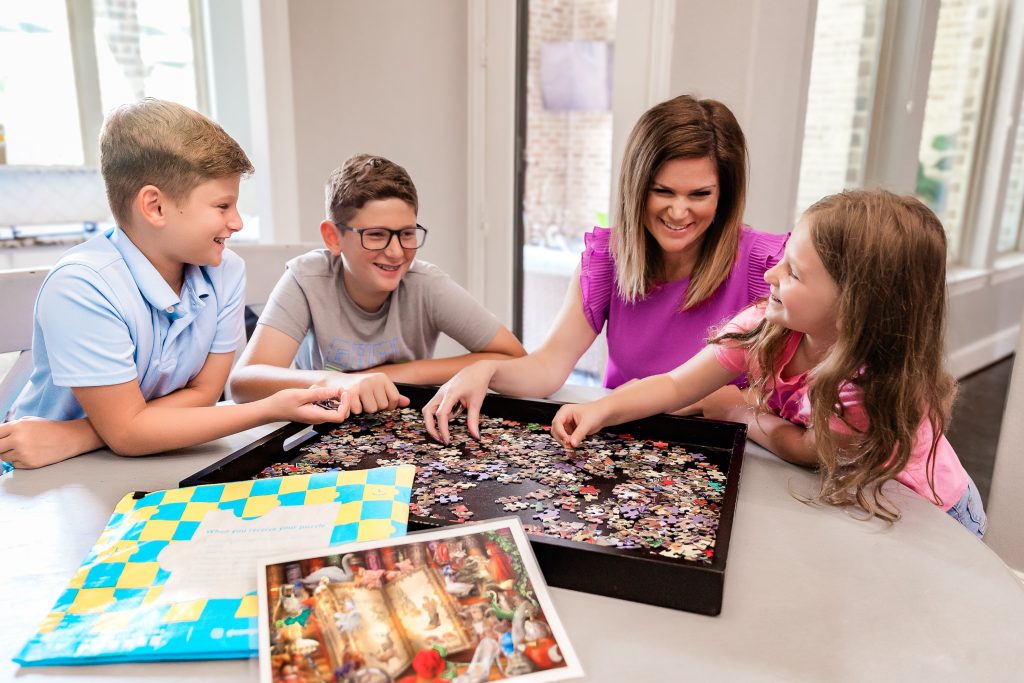
Data from numerous studies underscore the importance of these cognitive activities. Those who routinely engage with puzzles are observed to exhibit higher levels of mental agility and emotional resilience. Furthermore, the social aspect of mind games, whether played alone or with friends, encourages connection and community, which are also crucial factors in enhancing overall psychological health. For instance, participating in trivia nights at local cafés promotes both cognitive engagement and social interaction, tapping into the dual benefit of strengthening community ties while exercising the brain.
Conclusion: The Pathway to Personal Growth
As we delve deeper into how these games foster resilience and adaptability, consider the transformative potential of adjusting your cognitive habits. Integrating mind games into your daily life may not only enhance your problem-solving capabilities but also introduce effective strategies for personal growth and stress management. The journey through the realm of puzzles is not merely about entertainment; it’s an invitation to explore newfound dimensions of mental wellness.
DISCOVER MORE: Click here to delve deeper
Cognitive Development Through Mind Games
In a world that constantly demands quick decisions and innovative solutions, mind games emerge as essential tools for cognitive development. With each puzzle solved, players are not merely passing time; they are honing their mental skills in ways that are both profound and practical. This cognitive exercise stimulates various functions of the brain, enhancing our ability to face challenges head-on and adapt to changing circumstances.
Improving Analytical Thinking
One of the remarkable benefits of engaging with mind games is the improvement of analytical thinking. Puzzles often present intricate problems requiring players to dissect information, identify patterns, and draw conclusions. For instance, participating in games like escape room challenges encourages individuals to work together, analyze clues, and make swift decisions under pressure. These experiences demand a rigorous thought process that strengthens analytical abilities—skills that translates effectively into everyday scenarios such as financial planning or project management.
Encouraging Creativity and Innovation
Moreover, mind games also foster creativity, urging players to think outside the box. Innovative puzzles, such as lateral thinking challenges, compel individuals to approach problems from unconventional angles, which can lead to novel solutions. This enhancement of creative thinking is particularly beneficial in diverse fields like marketing, design, and technology, where fresh ideas are critical for success. Engaging the brain in creative mind games not only boosts confidence but also encourages a continuous search for novel solutions in personal and professional endeavors.
Developing Patience and Persistence
Mind games inherently come with levels of difficulty that push individuals to practice patience and persistence. Completing a challenging puzzle often requires multiple attempts and a willingness to learn from failures. Through this iterative process, players build resilience—the mental capacity to recover quickly from difficulties. The experience of facing and overcoming obstacles reinforces the notion that tenacity is essential for achieving long-term goals. This lesson in resilience is particularly vital in a rapidly changing world where adaptability is a key asset.
Building Emotional Intelligence
Additionally, certain mind games promote emotional intelligence, an invaluable trait that encompasses self-awareness, empathy, and social skills. Cooperative games, such as team-based strategy games, help individuals navigate social dynamics while honing their ability to understand and relate to others’ emotions. Engaging in these collaborative challenges can lead to improved communication skills and a greater appreciation for diverse perspectives. By nurturing emotional intelligence through mind games, players enhance their interpersonal relationships, fostering a supportive environment that is conducive to mental and emotional well-being.
Key Takeaways on Cognitive Engagement
- Improves analytical thinking through problem dissection and decision-making.
- Fosters creativity by encouraging innovative problem-solving methods.
- Develops patience and persistence through overcoming challenges.
- Enhances emotional intelligence via cooperative gameplay.
In essence, the cognitive benefits derived from engaging with mind games reveal their potential to not only entertain but also empower players in multifaceted ways. As we explore the profound implications of these activities on resilience and adaptability, the journey appears to offer more than just brain exercise—it presents a fulfilling pathway toward personal growth and mental enrichment.
The Psychological Benefits of Mind Games: Fostering Resilience and Adaptability Through Puzzles
Engaging in mind games such as puzzles, riddles, and logic games can significantly boost one’s mental prowess while fostering essential life skills. These activities aren’t merely a form of entertainment; they serve a greater purpose in shaping cognitive abilities. The act of solving puzzles encourages a state of flow—an immersive experience that allows individuals to focus completely, enhancing their problem-solving skills.
One of the most compelling benefits of mind games is their ability to foster resilience. As individuals tackle increasingly challenging puzzles, they learn to cope with frustrations and setbacks. This gradual exposure to difficulty builds a strong foundation for facing real-life challenges. Research has shown that overcoming obstacles in a game can transfer to real-world scenarios, allowing individuals to adapt more easily in stressful situations.
Additionally, mind games cultivate adaptability by requiring players to think critically and adjust strategies on the fly. Each puzzle presents unique challenges that necessitate flexible thinking. This flexibility is crucial not just in games but also in day-to-day decision-making processes, where the ability to switch gears can lead to better outcomes.
Moreover, puzzles often require collaboration, whether in competitive or cooperative formats. Working with others enhances communication skills and teamwork—traits that are invaluable in both professional and personal environments. As players share perspectives and strategize together, they develop empathy and understanding, creating a supportive social framework.
To illustrate these points, consider how famous puzzles like Sudoku or crosswords have been utilized in various therapeutic settings, aiming to promote cognitive therapy for individuals facing mental health challenges. Such games offer a safe space to build self-esteem and confidence as players experience a sense of achievement with each completed puzzle.
| Advantages | Explanation |
|---|---|
| Resilience Building | Challenges players face in mind games help develop coping strategies for real-life obstacles. |
| Enhanced Adaptability | Players learn to think on their feet and adjust strategies, crucial skills for daily decision-making. |
DISCOVER MORE: Click here to enhance your memory with crossword puzzles
Fostering Social Connections Through Mind Games
Mind games extend their influence beyond cognitive development and enter the realm of social connections. The collaborative aspect of many mind games serves as a catalyst for building relationships, creating a unique space for individuals to connect, communicate, and engage on a deeper level. In an era dominated by digital communication, mind games provide a refreshing avenue for face-to-face interaction, fostering bonds that can be both meaningful and lasting.
Nurturing Relationships Through Team Play
Participating in team-based mind games promotes a strong sense of community. Activities such as board games or cooperative video games encourage teamwork, requiring players to share ideas and strategies to achieve a common goal. This interaction not only strengthens existing friendships but also creates opportunities for new connections. For instance, local game nights or puzzle-solving groups in community centers draw diverse individuals together, fostering camaraderie and building trust amongst players. The emotional bonds formed in these environments can translate to greater resilience in the face of personal adversities, as players learn to support each other during challenges both in and out of the game.
Building Communication Skills
Mind games also play a crucial role in enhancing communication skills. Whether deciphering clues in a mystery board game or strategizing moves in a chess match, players must articulate their thoughts clearly and listen actively to their teammates. This exchange of ideas cultivates effective communication, which extends to everyday life. For instance, engaging in verbal board games like Taboo requires players to convey messages without using certain trigger words, sharpening their ability to express themselves succinctly and creatively. Improved communication skills result in better interpersonal interactions, creating a solid foundation for professional success.
Mitigating Stress and Anxiety
Diving into mind games can be an effective stress-reliever, offering an escape from the strains of daily life. The immersive nature of puzzles allows individuals to focus their minds on a singular task, diverting attention from external pressures. Scientific studies indicate that engaging in cognitive activities can lower cortisol levels, the hormone associated with stress, promoting a sense of calm and relaxation. For example, a group of employees participating in a team-building puzzle exercise could experience enhanced morale and reduced anxiety, ultimately leading to improved workplace productivity and job satisfaction.
Engaging in Mind Games as a Tool for Emotional Regulation
Moreover, mind games can serve as valuable tools for emotional regulation. Engaging in cognitive challenges allows individuals to manage their emotions actively. The challenge of a difficult puzzle can trigger frustration, yet with practice, players learn to navigate their emotional responses, developing healthier coping strategies. This emotional resilience is essential in high-pressure environments, such as academia or professional settings, where the ability to regulate emotions can significantly impact performance and overall mental health.
Key Takeaways on Social Benefits
- Nurtures relationships through collaborative gameplay and shared experiences.
- Enhances communication skills by promoting active listening and articulation.
- Mitigates stress through immersive engagement and focus.
- Aids in emotional regulation by teaching coping mechanisms during challenges.
These social benefits, intricately intertwined with psychological growth, illustrate that mind games play a vital role in equipping individuals with the tools needed to navigate life’s complexities. The journey through these challenges not only fortifies critical mental capabilities but cultivates a network of supportive relationships, ultimately encouraging a more adaptable and resilient society.
DIVE DEEPER: Click here to learn more
Conclusion
In a world increasingly characterized by rapid change and uncertainty, the psychological benefits of mind games have emerged as invaluable tools in fostering resilience and adaptability. From enhancing cognitive skills to nurturing social connections, puzzles and mind games provide a unique blend of challenges that engage the brain while encouraging emotional and interpersonal growth. Through collaborative gameplay, individuals develop not only critical thinking but also deeper relationships, becoming increasingly adept at navigating life’s complexities.
As highlighted throughout this article, mind games serve as practical instruments for mitigating stress and improving communication skills. By engaging in these cognitive activities, players experience both mental clarity and emotional regulation, crucial for personal and professional success. The ability to articulate thoughts and support teammates in collaborative settings leads to stronger communities, enhancing the social fabric that underpins our resilience. In essence, the process of solving puzzles is not solely about winning or losing; it’s about learning, adapting, and building connections that last beyond the game itself.
Understanding the multifaceted advantages of mind games opens up avenues for further exploration and personal application. Consider integrating these cognitive challenges into your daily life, whether through a board game night with friends or participating in local puzzle-solving events. As we continue to seek ways to cultivate adaptability and resilience in a fast-paced world, the age-old joy of mind games stands out as a timeless solution, ready to empower individuals and strengthen communities alike.
Related posts:
The Role of Language Games in Enhancing Mental Agility: A Linguistic Perspective
Cultural Variations in Puzzle Preferences: Impact on Mental Agility Across Different Societies
The Science Behind Mental Agility: How Mind Games Stimulate Neuroplasticity
Gamification of Learning: Enhancing Mental Agility Through Interactive Puzzle-Based Education
The Impact of Mind Games on Cognitive Flexibility: Enhancing Mental Agility
Virtual Reality Puzzles: Revolutionizing Mental Agility Training in the Digital Age

Linda Carter is a writer and puzzle expert specializing in mind games, brain teasers, and cognitive challenges. With extensive experience helping individuals enhance their problem-solving skills and think critically, Linda shares her knowledge on our platform. Her goal is to empower readers with practical advice, engaging puzzles, and strategies to sharpen their minds and achieve success in the captivating world of mind games and puzzles.