The Influence of Board Games on the Development of Leadership and Collaboration Skills

The Influence of Board Games on Leadership and Collaboration Skills
In an age dominated by digital interactions, board games offer a refreshing return to face-to-face engagement. These games not only entertain but also serve as platforms for honing essential life skills. Through strategic play and teamwork, participants cultivate abilities that are vital in both personal and professional realms.
Consider the diverse ways board games impact skill development:
- Leadership: Many board games require players to take charge, make decisions, and guide their teams to victory. Games like “Settlers of Catan” highlight the importance of resource management and negotiation, where players must lead their teammates and make strategic alliances to thrive.
- Collaboration: Cooperative games like “Pandemic” or “Forbidden Island” emphasize teamwork and effective communication among players. In these scenarios, success hinges on players sharing information and coordinating strategies, teaching valuable lessons in collective problem-solving.
- Problem-Solving: Players often encounter challenges that demand quick thinking and adaptability. Games such as “Sherlock Holmes: Consulting Detective” place individuals in complex scenarios where they must deduce solutions, thereby enhancing critical thinking and analytical skills.
Research suggests that participating in these games can lead to significant improvements in various capabilities. A study conducted by the University of California found that individuals who engaged in regular board gaming reported enhanced negotiation skills and better conflict resolution abilities. This is particularly relevant in the workplace, where such skills can lead to more effective team dynamics and improved project outcomes.
Furthermore, volunteer organizations and educational institutions increasingly recognize the value of board games in developing these competencies. Programs that utilize games in their frameworks often see a rise in student engagement and collaboration. For instance, educators in schools across the U.S. incorporate board games into the curriculum, allowing students to practice social skills, enhance their emotional intelligence, and learn the importance of compromise and teamwork.
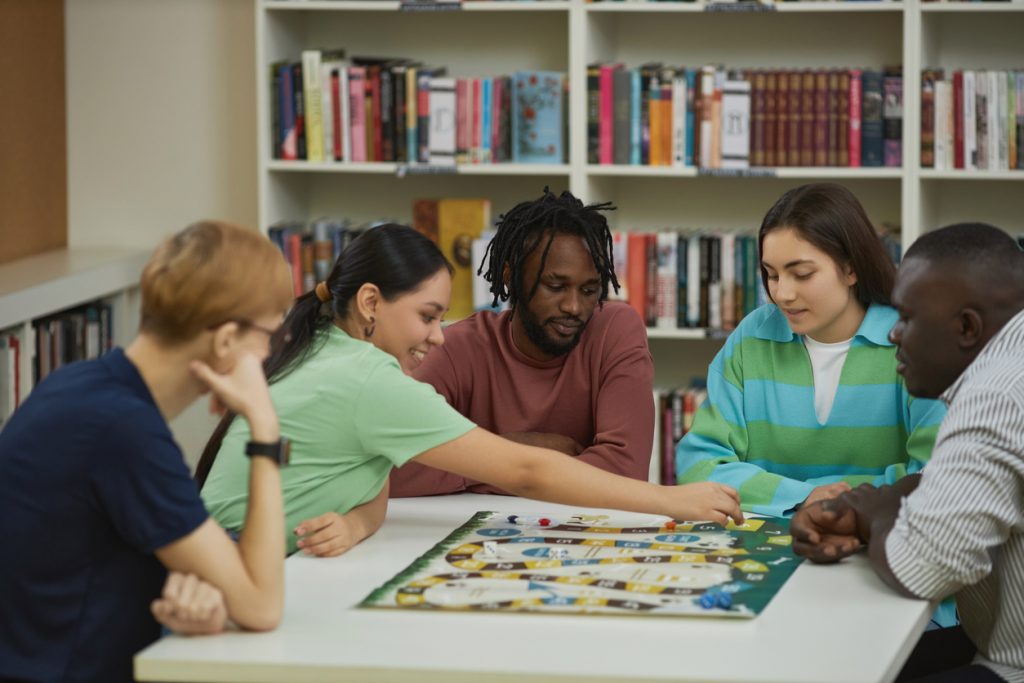
As we explore the transformative potential of board games, it’s important to understand the underlying principles that drive their effectiveness. The combination of strategy, communication, and collaborative competition allows players to step into roles that encourage leadership and teamwork. These principles can illuminate pathways for building leadership and collaboration skills in various contexts, from the office to the classroom. As more businesses and educators embrace this dynamic medium, the impact of board games on skill development cannot be overstated. Not only do they provide enjoyment, but they also empower individuals with capabilities that resonate beyond the game board, potentially shaping the leaders and collaborators of tomorrow.
DISCOVER MORE: Click here to learn about the impact of mind games
Board Games as Training Grounds for Leadership and Collaboration
Board games have long transcended the realm of mere entertainment, evolving into vital tools for personal development. Leadership and collaboration skills are essential in a world where teamwork and effective guidance can make or break both personal and professional endeavors. As players dive into engaging narratives and strategic challenges, they unknowingly develop competencies that are directly transferable to real-world scenarios.
The mechanics of many board games create an environment conducive to cultivating leadership qualities. For instance, in games like “Risk”, players are thrust into strategic military campaigns requiring them to assess situations, make decisive choices, and influence others. The necessity to devise tactics and rally participants towards a common goal mirrors real-world leadership challenges. Players learn to motivate their teammates while balancing their interests and coordinating efforts, laying the groundwork for future leadership roles.
Moreover, understanding and navigating alliances is crucial in games like “Catan” and “Diplomacy.” Participants engage in negotiation and bartering, acquiring the ability to articulate their needs persuasively while listening to opposing viewpoints. These interpersonal interactions serve as practice for future negotiations in various contexts, whether it be in a boardroom or community organization. The skills developed through these negotiations not only improve communication techniques but also foster a heightened sense of emotional intelligence, a key component of successful leadership.
Cooperative Gaming: A Lesson in Collaboration
On the flip side, cooperative board games offer a unique avenue for honing collaboration skills. Titles such as “Pandemic” and “Flash Point: Fire Rescue” require players to work together towards a shared objective against the game mechanics itself. Unlike competitive settings, where players may act solely in their own interest, these collaborative formats demand effective communication and joint decision-making. In “Pandemic,” for instance, players must share critical information about diseases while strategizing the best course of action to save the world. Here, the emphasis on collective effort exemplifies how teamwork can lead to successful outcomes, fostering skills that are vital in any group endeavor.
The challenges presented in these games not only require players to express their ideas clearly but also to actively listen and adapt their strategies based on input from teammates. Such dynamics create a safe platform for practicing conflict resolution and compromise, allowing individuals to navigate the complexities of team interactions seamlessly. Research highlights that players of cooperative board games often report improved interpersonal skills and a greater understanding of the importance of collaboration, a crucial takeaway for those aspiring to become effective team members or leaders.
- Negotiation Skills: Engaging in negotiations, players learn how to advocate for their interests while considering the group’s needs.
- Conflict Resolution: Players practice resolving disputes in a low-stakes environment, better preparing them for real-world challenges.
- Emotional Intelligence: Understanding teammates’ emotions enhances cooperation and fosters a positive group dynamic.
As we delve deeper into the incredible potential board games have on developing leadership and collaboration skills, it’s essential to recognize the impact these playful experiences can have on participants’ growth and success in life beyond the game. The lessons learned around a game board are invaluable; they shape future leaders and collaborators, equipping them with the skills necessary to navigate interpersonal challenges both in and out of formal environments.
| Advantages | Insights |
|---|---|
| Strengthened Communication | Board games necessitate dialogue; players must express strategies and negotiate, enhancing their communication skills. |
| Fostering Team Dynamics | Playing together promotes a sense of community, teaching players to work towards common objectives, which is essential for effective teamwork. |
In addition to strengthening communication, board games also foster team dynamics in a fun and immersive way. Players must work together, often sharing responsibilities and navigating challenges as a collective unit. This required cooperation translates seamlessly into real-world scenarios, where effective leadership is often defined by a leader’s ability to unite a group towards shared goals. The interactive nature of board games ensures that each participant feels engaged, encouraging collaboration and innovation. Delve deeper into this fascinating connection between board games, leadership, and collaboration while discovering how these games can develop crucial life skills for players of all ages.
DIVE DEEPER: Click here to discover more
The Role of Board Games in Developing Critical Thinking and Decision-Making Abilities
In addition to fostering leadership and collaboration skills, board games serve as excellent platforms for enhancing critical thinking and decision-making abilities. Many games require players to analyze complex scenarios, evaluate various strategies, and make informed decisions in real-time. This dynamic environment encourages participants to think outside the box and consider multiple perspectives before arriving at a conclusion.
Take, for instance, the popular game “Chess.” Though often categorized as a competitive game, chess is deeply rooted in strategy, patience, and foresight. Players must engage in deliberate planning while anticipating their opponent’s moves. Each decision can lead to a myriad of consequences, reflecting the importance of weighing options carefully. This deliberate approach to gaming transcends beyond the chessboard, fostering a mindset that can be applied to business situations, project management, and everyday problem-solving.
Board games like “7 Wonders” also illustrate how decision-making can impact group dynamics. In this card drafting game, players develop their civilizations by carefully choosing resources while considering potential future impacts on their strategy. Participants not only strategize individually but also observe how their choices influence other players, promoting an understanding of interconnectedness and shared success. This stimulates players to evaluate risks and rewards, enhancing their ability to strategize collaboratively and think critically about group outcomes.
Empowering Innovation Through Game Design
The design of many modern board games incorporates elements that promote innovation and adaptability, essential traits for effective leaders and collaborators. Games like “Gloomhaven” and “Terraforming Mars” require players to adapt to evolving circumstances within the game, challenging them to pivot their strategies based on newly presented information or shifts in the game state. As players navigate these complex environments, they become adept at synthesizing information, restructuring plans, and leading with flexibility—a skill set increasingly sought after in today’s fast-paced professional landscape.
- Problem-Solving Skills: Players must confront and solve multifaceted problems, reinforcing logical thought processes and analytical skills.
- Risk Assessment: Evaluating potential outcomes fosters a greater understanding of calculated risks, crucial for sound leadership.
- Adaptability: The necessity to change tactics mid-game nurtures flexibility and resilience, key elements of successful teamwork.
Research has shown that regular participation in board games correlates with improved cognitive skills and enhanced psychological resilience. According to a study conducted by the Educational Board Games Association, children and adults who play strategic board games exhibit significantly higher scores in critical thinking assessments compared to those who do not engage with such activities. This evidence reinforces the role board games play not just in entertainment but as substantial instruments for educational development and personal growth.
Therefore, the impact of board games extends far beyond the simple enjoyment of gameplay. They provide rich contexts for individuals to develop leadership, collaboration, critical thinking, and decision-making skills, positioning participants for success across various life domains. As the board game community continues to grow in the United States, it becomes increasingly evident that these games are not merely a pastime but an investment in cultivating vital life skills.
DISCOVER MORE: Click here to enhance your mental agility
Conclusion: Harnessing Board Games for Leadership and Collaboration Development
In conclusion, the influence of board games on the development of leadership and collaboration skills is profound and multifaceted. These engaging experiences provide individuals with the opportunity to hone essential abilities such as critical thinking, strategic decision-making, and effective teamwork in a fun and interactive environment. As demonstrated by various examples, games like Chess and 7 Wonders not only challenge players intellectually but also encourage them to understand the implications of their choices within a collective context.
The growing body of research confirming improved cognitive functions among regular board game players substantiates the notion that these activities serve as valuable educational tools. By navigating complex scenarios and adapting strategies to ever-changing game dynamics, participants build resilience and enhance their problem-solving capabilities—traits essential for success in both personal and professional realms.
Furthermore, as the board game community continues to thrive in the United States, it offers an accessible platform to cultivate a generation of adept leaders and collaborators. Parents, educators, and organizations should recognize the potential enclosed within these games and utilize them as instruments for fostering necessary life skills in a collaborative framework. Ultimately, board games are not merely about winning or losing; they are about growing together, fostering connections, and preparing individuals for the challenges that await both in and out of the game.
Related posts:
Strategic Thinking and the Art of Negotiation in Board Games: Tactics to Win Conflicts
Strategic Thinking in Card Games: Tactics and Psychology Behind the Moves
Puzzles and Decisions: The Role of Strategic Thinking in Problem Solving
The Art of Strategic Thinking in Board Games: How Mental Challenges Sharpen Planning Skills
Unveiling the Mathematics Behind Strategy Games: The Importance of Logical Reasoning in Everyday Ski...
Strategies for Thinking in Logical Puzzles: How to Train the Mind to Solve Complex Challenges

Linda Carter is a writer and puzzle expert specializing in mind games, brain teasers, and cognitive challenges. With extensive experience helping individuals enhance their problem-solving skills and think critically, Linda shares her knowledge on our platform. Her goal is to empower readers with practical advice, engaging puzzles, and strategies to sharpen their minds and achieve success in the captivating world of mind games and puzzles.