The Impact of Strategy Games on Decision Making in Pressure Situations
The Influence of Strategy Games on Decision Making
In today’s fast-paced world, the ability to make sound decisions under pressure is more valuable than ever. One intriguing factor contributing to this skill lies in the realm of strategy games. These games not only entertain, but they also serve as powerful tools for enhancing cognitive functions.
Why Strategy Games Matter:
- They challenge players to think critically, forcing them to analyze complex situations.
- They simulate real-life scenarios requiring quick decision-making, providing valuable practice.
- They improve problem-solving skills and strategic planning, which are essential for success in various fields.
According to recent studies, engaging with strategy games can lead to notable improvements in decision-making abilities. Players often find themselves facing scenarios that mirror intense pressure situations—much like those in business environments or high-stakes sports. The process of evaluating risks, forecasting potential outcomes, and formulating actionable strategies enhances cognitive management.
Examples of Popular Strategy Games
- Chess: Known as the ultimate game of strategy, chess enhances foresight and tactical thinking. Each move requires players to anticipate their opponent’s reactions and plan several moves ahead, simulating real-life situations where predicting outcomes is crucial.
- StarCraft: This real-time strategy game demands quick resource management and adaptability. Players must gather resources, build armies, and make split-second decisions to counter opponents effectively, mirroring the pressure of dynamic business environments.
- Risk: A classic board game that teaches risk assessment and long-term planning. Players navigate a world map, making alliances and deciding when to attack or defend, which can translate to strategic decision-making in professional settings where alliances and market positioning play critical roles.
Beyond mere entertainment, the impact of strategy games extends into personal and professional development. These games train individuals to approach challenges strategically, enhancing their ability to formulate clear objectives, implement plans, and adapt to unforeseen changes. The skills learned from strategy games have been shown to positively correlate with higher performance in job roles that require analytical thinking and situational assessment.
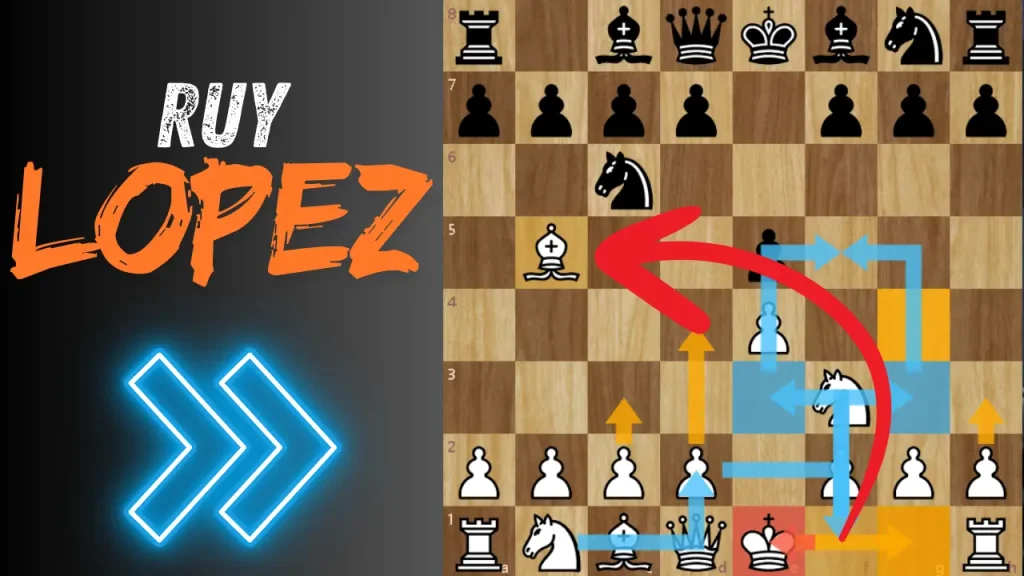
As we delve deeper into how these games shape decision-making processes, it’s clear that the lessons learned on virtual battlefields or chessboards can translate into significant advantages in real-world environments. The strategic mindset fostered by such gaming experiences equips players to thrive, especially when the stakes are high.
DISCOVER MORE: Click here to learn about the impact of brain teasers
The Mechanics of Strategic Decision-Making
At the heart of strategy games lies a unique framework that enhances players’ decision-making capabilities, particularly in pressure situations. These games compel individuals to engage in an intricate dance of planning, scenario analysis, and risk management—skills that are essential in both everyday life and high-pressure environments. They allow players to test reactions to varying degrees of urgency and uncertainty, akin to facing deadlines or competitive challenges in workplaces and personal life.
Cognitive Skills Cultivated Through Strategy Games
Research indicates that engaging with strategy games sharpens several cognitive skills crucial for effective decision-making. Here are some key areas where players see considerable improvement:
- Critical Thinking: Players learn to evaluate multiple factors and potential consequences before making decisions, imitating real-world situations that require careful analysis.
- Spatial Awareness: Many strategy games require players to visualize moves and outcomes on a board or map, enhancing their ability to think three-dimensionally in pressure situations.
- Adaptability: The dynamic environments of games like StarCraft force players to adjust strategies on the fly, mirroring how professionals must pivot in changing market conditions.
- Focus under Pressure: When faced with time limits and sudden shifts in gameplay, players learn to concentrate intensely, honing their ability to perform amidst stress.
This combination of skills fosters a mindset geared toward problem-solving and solidifies a player’s ability to make informed choices quickly. An example can be seen in chess, where grandmasters often calculate numerous variations of play ahead of their opponent’s move. This practice instills a habit of foresight, critical for anyone making decisions in high-stakes scenarios, such as corporate negotiations or emergency response situations.
Moreover, the social aspect of strategy games cannot be overlooked. Multiplayer formats, which are popular in both traditional and modern settings, require players to collaborate and strategize with partners and opponents. This necessitates clear communication and negotiation skills—attributes that are vital in any pressured decision-making environment, such as team projects in the workplace or during crisis management.
These elements converge to create a platform for enhancing not just an individual’s strategic thinking, but also their capacity to thrive under pressure. As players forge ahead in their quests within these games, they accumulate experiences that can substantially inform their approach to real-life decision-making challenges, reinforcing the age-old notion that practice does indeed make perfect.
By recognizing the profound impact of strategy games on decision-making processes, we open the door to exploring how these influential experiences shape individuals to function effectively in high-pressure environments across various professional landscapes.
| Cognitive Development | Game Mechanisms |
|---|---|
| Improved Analytical Skills | Players learn to analyze complex situations quickly. |
| Strategic Thinking | Involves evaluating multiple scenarios before making choices. |
| Stress Management | Helps players to thrive under pressure while making decisions. |
| Team-Based Problem Solving | Encourages collaboration and communication within teams. |
The realm of strategy games serves as a reflective ground for honing one’s decision-making abilities. Engaging in such games requires players to cultivate strong cognitive skills, notably analytical thinking. As gamers immerse themselves in simulated environments, they are compelled to dissect intricate situations and weigh the consequences of their choices—all in a matter of moments.Additionally, strategy games promote strategic thinking, compelling players to consider various outcomes based on their actions. This facilitates a mindset where evaluating multiple scenarios becomes second nature, which is essential when faced with high-stakes decisions in real-life situations.Furthermore, these games offer invaluable lessons in stress management. As pressure mounts during critical phases of gameplay, players must maintain composure to navigate challenges effectively. This direct correlation illustrates how experiences in the virtual world can translate into better performance in stressful, real-world contexts.Finally, many strategy games necessitate team-based problem-solving. Players often collaborate with others to devise and execute strategies, thus enhancing their communication skills and fostering teamwork—key components in both professional and personal environments. Each of these factors underscores the profound impact that strategy games have on decision-making processes under pressure, inviting individuals to explore the nuances within this engaging field.
DISCOVER MORE: Click here to learn how logic games enhance your problem-solving skills
Real-World Applications of Skills Gained from Strategy Games
As players immerse themselves in the intricate worlds of strategy games, the skills they develop extend far beyond the virtual realm, applying directly to various professional settings. From corporate offices to emergency response teams, the cognitive capabilities and behaviors honed in strategy games prove invaluable in decision-making under pressure.
Military and Strategic Planning
One of the most apparent examples can be seen in military strategy and operations. The United States Armed Forces often utilize simulation games during training exercises, such as Wargames or Joint Task Force, which mirror real-world combat scenarios. These simulations provide soldiers with the opportunity to encounter and navigate high-pressure situations, thus refining their critical thinking and adaptability. In fact, a study from the U.S. Army Research Institute noted that soldiers who participated in tactical simulations demonstrated improved decision-making speed and accuracy when confronted with real battle scenarios.
Booing Enhanced Performance in Business
In the world of business, professionals increasingly recognize the value of strategy games for improving teamwork and problem-solving skills. Companies like Google and IBM have implemented game-based learning methods in their training programs to enhance their employees’ strategic thinking. For instance, SimCity has been used to teach urban planning strategies requiring long-term decision-making under unique constraints, mirroring the realities of business environments where market dynamics are constantly shifting.
Additionally, the competitive nature of games such as League of Legends fosters quick, strategic decision-making among teams, promoting the need for immediate communication and collaboration. Employees who participate in such exercises exhibit improved teamwork and can address challenges collectively, a skill paramount in high-stress situations like project deadlines or crisis management.
Emergency Response and Healthcare Environments
In emergency response scenarios, the ability to make swift and informed decisions can save lives. Research conducted in healthcare settings reveals that medical professionals who engage in strategy games tend to exhibit better diagnostic reasoning and crisis management skills. For instance, simulation-based training programs incorporating elements from strategy games help paramedics and trauma surgeons develop and practice rapid decision-making skills necessary during emergencies. The American College of Surgeons has found that simulation can lead to better outcomes in traumatic medical situations.
The Psychological Resilience Engineered by Strategy Games
The psychological resilience built through strategy gameplay also plays a pivotal role in coping with stress. Players learn to remain calm under duress, processing complex information while managing competing priorities. This resilience translates to real-life scenarios, enabling individuals to navigate stressful situations—from presenting in front of a boardroom to dealing with sudden changes during negotiations—with a composed and decisive approach.
These multifaceted applications of the skills cultivated through strategy games underscore their significant role in shaping effective decision-makers in diverse, pressure-laden environments. As industries continue to evolve towards greater complexity, the insights drawn from the gaming experience can provide companies and organizations with a robust framework for training and development, highlighting the critical importance of understanding the link between gaming and real-world decision-making efficiency.
DISCOVER MORE: Click here for insights on strategy games and critical thinking
Conclusion: The Transformative Power of Strategy Games in High-Stakes Decision Making
In a world characterized by rapid change and high-stakes environments, the lessons gleaned from strategy games are not just relevant; they are essential. As explored throughout this article, the ability to make informed and timely decisions under pressure is a skill cultivated through immersive gaming experiences. These games foster a unique blend of critical thinking, adaptability, and psychological resilience, allowing players to navigate complex scenarios with grace and efficacy.
The applicability of strategic gaming skills spans across various fields—including military operations, business environments, and healthcare settings. Professionals in these sectors increasingly recognize the value of gaming mechanisms as effective training tools. Game-based training simulations like those used by the U.S. Armed Forces and companies like Google and IBM have proven to enhance teamwork, decision-making speed, and crisis management abilities, directly impacting performance in real-world situations.
Moreover, the cultivation of psychological resilience enables individuals to manage stress effectively, enhancing not only personal performance but also team dynamics during critical moments. Given the ever-evolving challenges faced in both personal and professional arenas, the significance of these learned behaviors cannot be overlooked.
As industries increasingly embrace complexity, understanding the impact of strategy games on decision making in pressure situations offers valuable insights. Future research and training programs can greatly benefit from incorporating these gaming strategies. By doing so, organizations can further enhance their workforce’s capability to face modern challenges head-on, crafting agile decision-makers equipped for the demands of today’s fast-paced world.
Related posts:
Puzzles and Decisions: The Role of Strategic Thinking in Problem Solving
Puzzles as Learning Tools: Stimulating Strategic Thinking in Children
The Role of Strategy Games in the Development of Emotional Intelligence: Navigating Relationships an...
Strategies for Thinking in Logical Puzzles: How to Train the Mind to Solve Complex Challenges
Strategy Games and the Psychology of Critical Thinking: Learning to Anticipate Opponent Moves
Unveiling the Mathematics Behind Strategy Games: The Importance of Logical Reasoning in Everyday Ski...

Linda Carter is a writer and puzzle expert specializing in mind games, brain teasers, and cognitive challenges. With extensive experience helping individuals enhance their problem-solving skills and think critically, Linda shares her knowledge on our platform. Her goal is to empower readers with practical advice, engaging puzzles, and strategies to sharpen their minds and achieve success in the captivating world of mind games and puzzles.