
The Impact of Mind Games on Cognitive Flexibility and Adaptive Problem-Solving
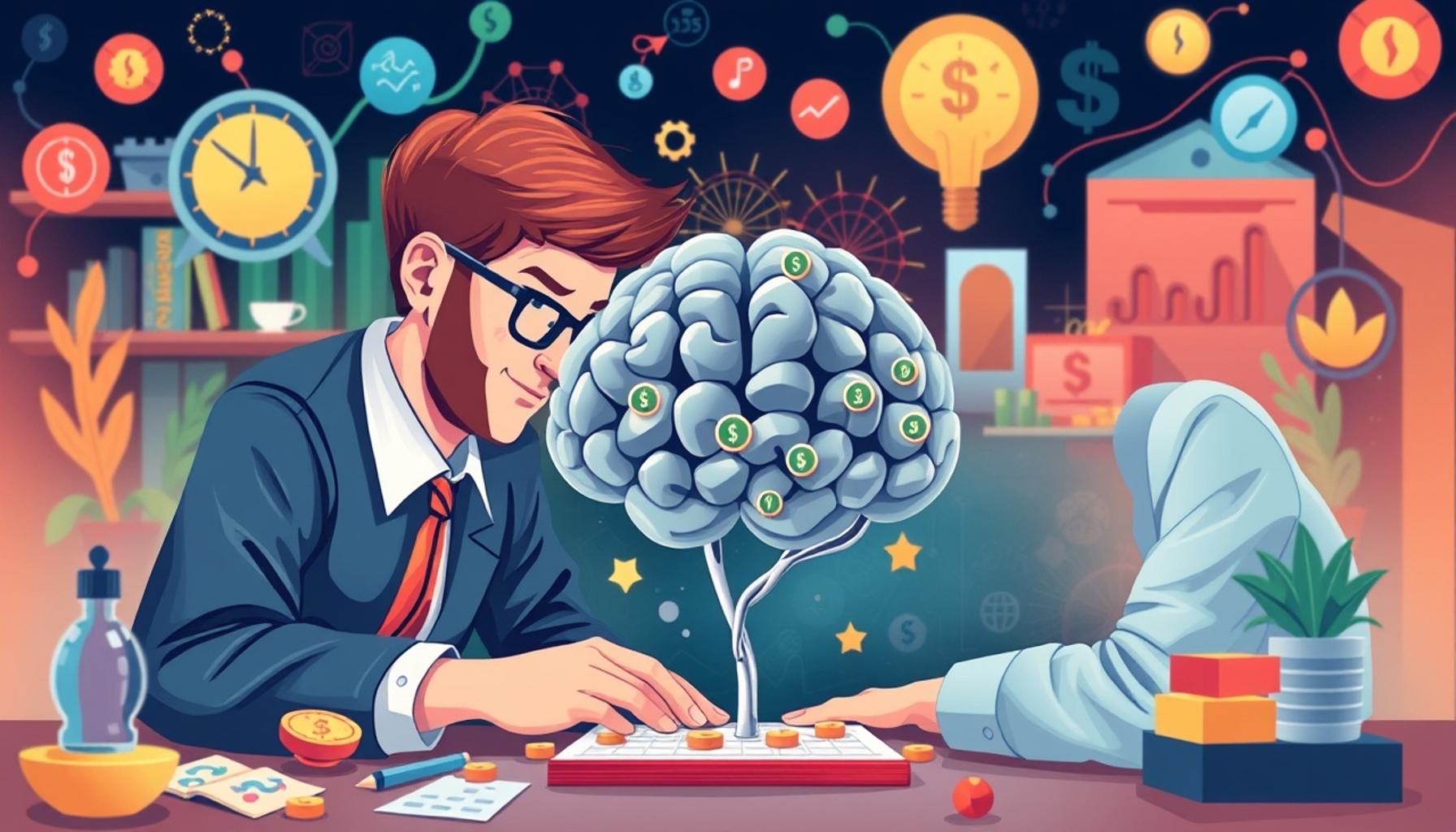
The Power of Mind Games
In a world increasingly defined by complexity, cognitive flexibility has emerged as a vital skill. Mind games, traditionally seen as mere entertainment, hold remarkable potential for enhancing this cognitive ability. By engaging in strategic thought processes and adapting to new information, individuals can improve their adaptive problem-solving capabilities.
What are Mind Games?
- Chess
- Sudoku
- Crossword puzzles
- Online strategy games
Mind games encompass a wide variety of activities that stimulate mental processes and challenge the brain. Among these, chess stands out not only as a competitive sport but as a profound exercise in foresight, strategy, and anticipation of opponents’ moves. Similarly, Sudoku and crossword puzzles ignite the brain’s engagement with logic and vocabulary, respectively. Online strategy games, such as “StarCraft” and “Civilization,” extend this engagement further by introducing dynamic elements of resource management, risk assessment, and real-time decision-making.
These games challenge players to think outside the box, offering various benefits. Firstly, they promote enhanced creativity by pushing individuals to develop original solutions and think divergently when faced with obstacles. For instance, a Sudoku puzzle may require one to reconsider their approach when the usual patterns do not fit, encouraging inventive strategies.
Secondly, engaging with mind games leads to improved decision-making. Players must evaluate multiple factors quickly, considering potential consequences before action, which mirrors real-life scenarios in business, education, and personal relationships. Strategy games often require participants to make critical choices under pressure, honing their ability to plan strategically and adjust plans as situations evolve.
Moreover, these activities increase resilience. Failure in a game is an opportunity to learn, adapt, and try again without the high stakes seen in real-life scenarios. This mental exercise can be particularly beneficial for young people as they develop coping mechanisms for academic and social challenges.
Research suggests that engaging in mind games can significantly boost cognitive agility. This adaptability is not just beneficial in play but translates to real-life situations, helping individuals navigate challenges more effectively. Studies indicate that regular participation in activities like chess can improve academic performance in subjects such as mathematics and reading comprehension by reinforcing critical thinking skills.
As we explore the intricate relationship between mind games and cognitive abilities, the implications for both personal development and educational strategies become clear. Schools and community programs are beginning to incorporate these games into curricula, recognizing their potential to enhance students’ cognitive flexibility and problem-solving skills.
In conclusion, mind games are not wildly entertaining diversions; they are tools for mental fortitude and flexibility, enhancing our ability to tackle real-world challenges with creativity and resilience. As you consider integrating such games into your routine, whether for leisure or educational purposes, you may find that the benefits extend far beyond the game board.
DISCOVER MORE: Click here to learn about strategic thinking in card games
Unlocking Cognitive Potential Through Mind Games
Engagement in mind games has become an essential strategy not only for leisure but for fostering valuable cognitive enhancements. Cognitive flexibility, the ability to switch between thinking about different concepts or to think about multiple concepts simultaneously, is particularly nourished through the practice of various mind-relying activities. This flexibility allows individuals to adapt their strategies in diverse scenarios, ultimately improving their adaptive problem-solving skills.
The Mechanics of Cognitive Flexibility
Cognitive flexibility relies heavily on the processes of evaluation, alteration, and planning. When individuals participate in activities such as chess, Sudoku, or interactive online strategy games, they nurture the very mechanics underpinning cognitive flexibility. These games require players to consistently reassess their moves, adapt to changes, and consider alternate strategies to achieve their goals. Here’s how each of these activities contributes:
- Chess: This classic game requires foresight and planning several steps ahead, anticipating the opponent’s moves and adapting strategies accordingly. Studies have indicated that chess players exhibit enhanced spatial reasoning and problem-solving skills that benefit them in various academic fields.
- Sudoku: This number-placement puzzle hones logical reasoning. The need to identify patterns within set parameters encourages players to think creatively, often leading to unexpected solutions.
- Crossword puzzles: These linguistic challenges engage vocabulary and knowledge retention, enhancing cognitive processing speed. They require players to make quick connections between words, improving both creativity and verbal intelligence.
- Online strategy games: Games like “Civilization” and “StarCraft” introduce complex, dynamic environments where players must adapt to continuously changing conditions. This experience builds resilience and enhances risk management capabilities, essential traits in real-world problem-solving.
Recent studies reinforce the idea that mind games not only enhance cognitive flexibility but also foster an improved mindset towards problem-solving. In an era where adaptability is paramount, regularly engaging in these activities can significantly equip individuals with tools they can leverage in both personal and professional settings.
Moreover, statistics indicate that individuals who participate in mind games frequently demonstrate better academic performance. Research published in cognitive psychology journals shows correlations between regular engagement with strategic games and improved results in STEM subjects, highlighting how the development of critical thinking skills through gameplay translates seamlessly into the classroom and beyond.
This relationship between cognitive flexibility and mind games has sparked interest in educational systems across the United States. More schools are incorporating these strategic games into their curricula, recognizing their potential to not only enhance student engagement but also to serve as a medium for cognitive development. Whether played in classrooms, homes, or online, mind games are becoming an invaluable asset in shaping agile thinkers for future challenges.
In essence, the impact of mind games extends beyond mere enjoyment; they serve as a gateway to unlocking cognitive potentials that empower individuals to navigate the complexities of modern life effectively. As we delve deeper into the nuances of these games, the transformative effects on cognitive processes and learning methods become increasingly evident.
| Advantage | Description |
|---|---|
| Enhanced Problem-Solving Skills | Mind games challenge players to think critically and develop innovative strategies, thereby improving overall problem-solving abilities. |
| Increased Cognitive Flexibility | Engaging in mind games promotes adaptability by encouraging players to shift their thinking patterns and approach tasks from multiple perspectives. |
Research highlights how regular participation in mind games can lead to improved executive functioning. This boosts cognitive flexibility, allowing individuals to switch between ideas effectively and solve problems creatively. In this ever-changing world filled with challenges, mastering such skills is essential for both personal and professional success. Furthermore, mind games also have the potential to facilitate better social interactions by enhancing communication and group problem-solving capabilities. Each session becomes not only a test of intellect but also an opportunity for interpersonal growth. Exploring different mind games can lead to greater adaptability and equip individuals with the tools needed for effective decision-making in various situations.
DISCOVER MORE: Click here to dive deeper
Mind Games as Tools for Lifelong Learning
The influence of mind games extends beyond immediate cognitive benefits; they also play a pivotal role in fostering a culture of lifelong learning and adaptability. In a rapidly evolving job market, where technological advancements continually alter the landscape, individuals equipped with strong adaptive problem-solving skills are more likely to thrive. Mind games cultivate this ability by promoting continuous exploration, curiosity, and a willingness to embrace new challenges.
Building Resilience Through Mind Games
One significant aspect of cognitive flexibility is resilience—the capacity to recover from difficulties and adapt to change. Engaging in mind games enhances resilience by presenting participants with various challenges that require persistence and strategic thinking to overcome. For instance, in games like “Portal” where players navigate through complex puzzles, they learn to assess failures as opportunities for improvement. This mindset is crucial in real-world problem-solving, where one must adapt plans in the face of unforeseen circumstances.
Moreover, mind games can simulate high-pressure environments akin to those found in professional settings. Consider strategy-based games that incorporate tactical shooting or resource management, such as “Fortnite” or “Oxygen Not Included.” Players often face constraints—time limits, dwindling resources, or sudden shifts in game dynamics. These conditions not only challenge their ability to think on their feet but also cultivate the emotional intelligence required for collaboration and decision-making in stressful situations.
Intergenerational Engagement and Cognitive Growth
The appeal of mind games spans generations, making them a unique tool for intergenerational engagement. Collaborative play among different age groups can significantly enhance learning and cognitive function. For example, grandparents playing board games with their grandchildren not only bridge generational gaps but also create a shared space for learning and adaptation. Such interactions have been shown to strengthen relationships while promoting social skills and emotional resilience, contributing to both parties’ cognitive development.
Research indicates that these playful exchanges may also serve as a buffer against cognitive decline in older adults. Engaging in mind games stimulates neural pathways and promotes the plasticity of the brain, thus preserving cognitive abilities over time. As a result, many senior citizen centers and retirement communities in the United States are beginning to embrace mind games as part of their wellness programs, recognizing their incredible potential for fostering cognitive health and adaptive problem-solving.
Further underscoring the significance of mind games, educational researchers are delving into their implementation as formal training tools. Schools that have integrated mind games into their curriculum report enhanced student engagement and creativity across STEM disciplines. By transforming traditional learning environments into dynamic spaces that emphasize flexibility and adaptability, educators prepare students not only for academic success but for the much higher stakes of innovation in their careers.
The multifaceted benefits of mind games highlight their vital role in our cognitive development. As individuals of all ages engage in these activities, they not only sharpen their mental acuity but also equip themselves with essential life skills that are increasingly important in today’s world. The ongoing exploration of mind games as effective cognitive development tools promises to unlock even more potential, paving the way for a future where adaptive problem-solving becomes second nature.
DISCOVER MORE: Click here to dive deeper into strategic thinking
Conclusion
In conclusion, the exploration of mind games reveals a powerful connection to enhancing cognitive flexibility and honing adaptive problem-solving skills. These engaging activities serve not only as a source of entertainment but also as a significant catalyst for cognitive development across all ages. By challenging players with intricate puzzles, strategic dilemmas, and dynamic problem scenarios, mind games encourage a mindset that thrives on resilience and adaptability—traits essential in today’s fast-paced and ever-changing environment.
The intergenerational appeal of mind games fosters valuable connections, nurturing both social and cognitive growth in diverse age groups. These collaborative experiences not only strengthen familial bonds but also create a legacy of learning and flexibility that benefits all participants. Furthermore, the integration of mind games in educational settings has begun to reshape traditional learning, making it as dynamic as the evolving job market it prepares students for.
As research continues to unveil the profound impacts of mind games on cognitive health and skill-building, the potential for these tools expands. We stand on the brink of a new era where integrating play into our daily lives can yield significant benefits. Acknowledging the pivotal role that mind games can play in enhancing adaptability, emotional intelligence, and problem-solving prowess could lead to more innovative approaches in both educational and professional settings, ultimately equipping individuals to face the future with greater confidence.
Related posts:
Escape Games: Learning to Collaborate and Solve Problems Under Pressure
The Psychology of Strategy Games: How They Influence Decision Making
Mental Challenges: How Logic Games Improve Our Problem-Solving Skills
Mindfulness and Puzzles: The Connection Between Focus and Problem Solving
How Math Games Stimulate Critical Thinking in Children
Recreational Mathematics: Using Number Puzzles to Develop Analytical Skills

Linda Carter is a writer and puzzle expert specializing in mind games, brain teasers, and cognitive challenges. With extensive experience helping individuals enhance their problem-solving skills and think critically, Linda shares her knowledge on our platform. Her goal is to empower readers with practical advice, engaging puzzles, and strategies to sharpen their minds and achieve success in the captivating world of mind games and puzzles.