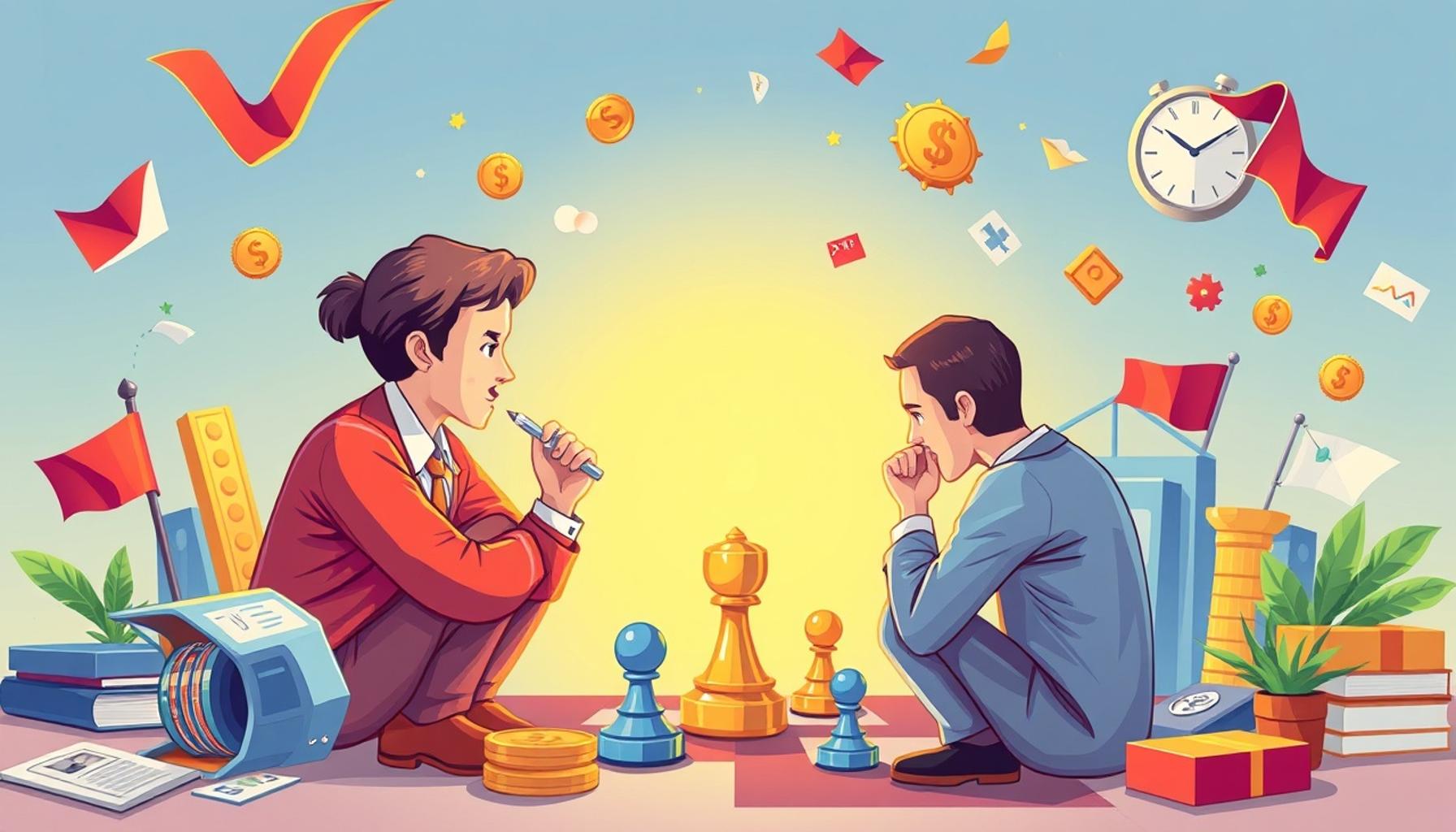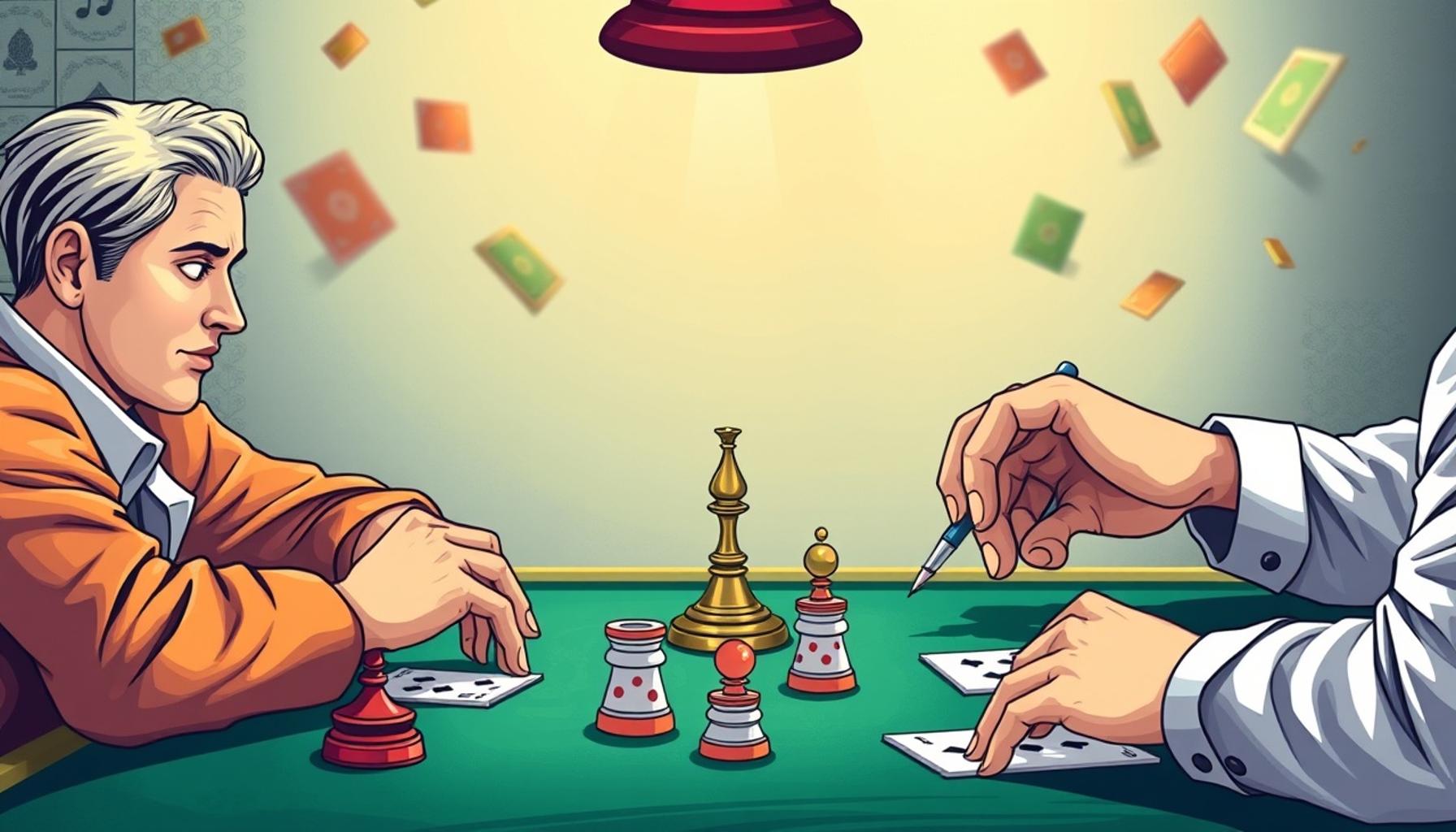
The Art of Strategic Thinking in Board Games: How Mental Challenges Sharpen Planning Skills
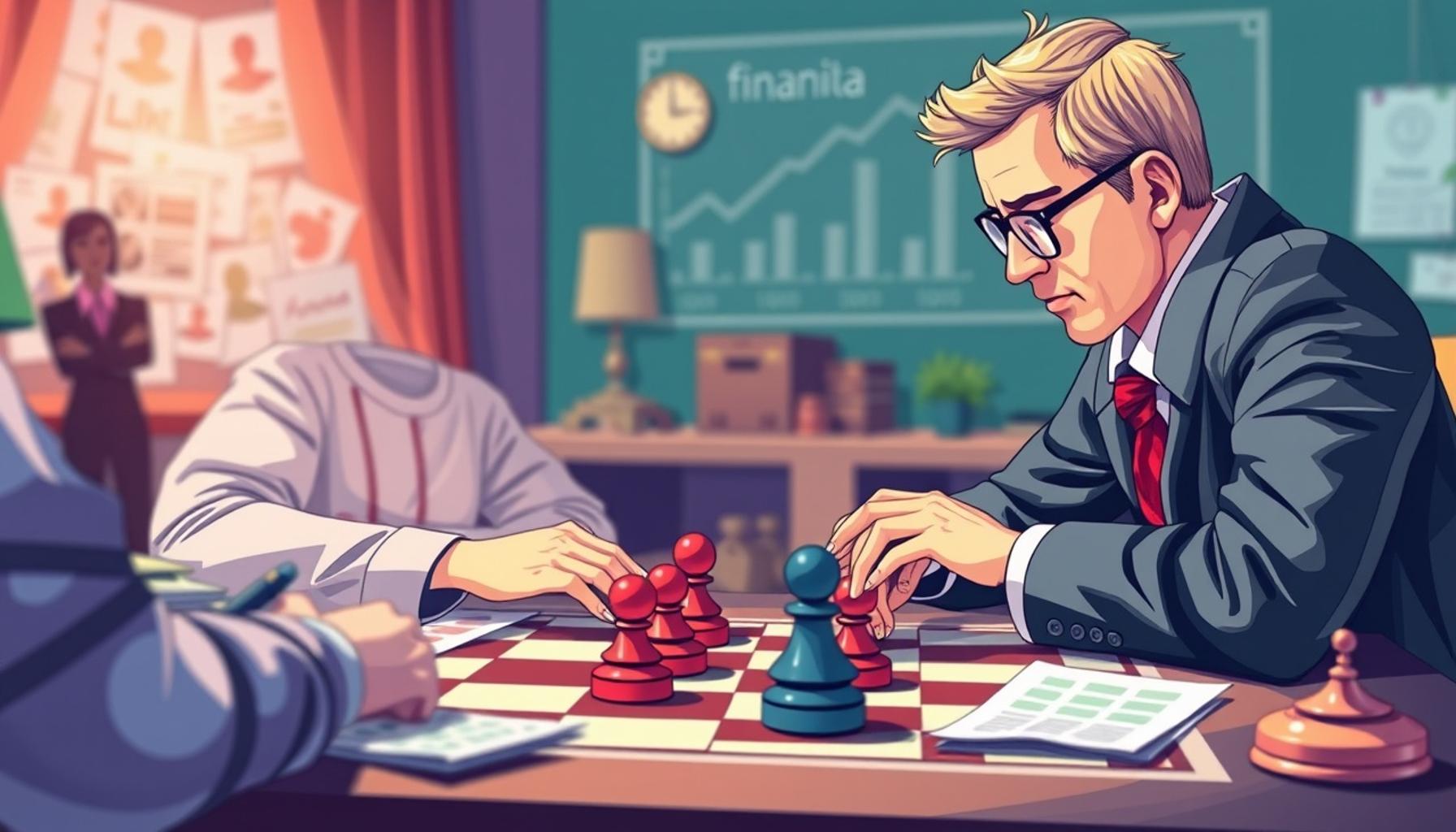
Unpacking Strategic Thinking through Board Games
Board games, with their intricate rules and engaging mechanics, offer more than just entertainment; they are a fertile ground for nurturing strategic thinking skills. As players navigate a complex landscape of choices, they delve deep into the art and science of planning, foresight, and problem-solving. The mental stimulation involved not only enhances the gaming experience but also equips players with crucial life skills that apply beyond the confines of the game board.
Key Skill Development
One of the most prominent skills cultivated through board gaming is risk management. Players are constantly faced with the dilemma of weighing potential gains against possible losses. For example, in games such as “Settlers of Catan,” a player must decide whether to trade resources like wheat or brick, considering the likelihood that their opponents may use those resources to their advantage. This teaches vital lessons in evaluating risks and making calculated decisions.
In addition to risk assessment, board games serve as a training ground for critical thinking. Many games require players to analyze their situation in real-time, leading to deeper cognitive engagement. In “Chess,” for example, each move requires immense foresight and planning, as players must anticipate their opponent’s reactions several steps ahead, creating a mental chessboard that mirrors strategic situations in everyday life.
Resource Management and Team Dynamics
Resource allocation is another core concept explored in board games. Games like “Ticket to Ride” require players to optimize their routes while managing limited resources (train cards), which instills lessons in efficiency and prioritization. Players learn the importance of strategically utilizing their assets to achieve long-term objectives, a critical skill in both personal finance and professional project management.

Moreover, many board games foster collaboration through teamwork. Games like “Pandemic” necessitate players to work together to devise strategies for combating an outbreak, emphasizing the importance of diverse viewpoints and collective strategy formation. This collaborative approach can translate into improved interpersonal skills in group work and leadership contexts in real life.
Adaptability and Planning
The dynamic nature of board games also enhances adaptability. Players face unpredictable outcomes that require them to revise their tactics quickly. A sudden shift in gameplay, such as the loss of a critical piece in “Risk,” forces players to think on their feet and adjust their strategies instantaneously. This ability to pivot and innovate is invaluable in fast-paced environments, be it in business or personal decisions.
Finally, successful players have mastered the art of long-term planning. Games like “7 Wonders” demonstrate the necessity of thinking several turns ahead, where the consequences of today’s decisions can reverberate far into the future. This long-range thinking sharpens players’ capacity for strategic vision, a trait that can empower them in various aspects of life, from career aspirations to personal development.
In summary, engaging with board games presents a wealth of opportunities for growth, sharpening strategic thinking skills while providing enjoyment. Both casual fans and dedicated strategists glean valuable lessons from each play session, enriching their experiences on and off the game board. As players immerse themselves in these mental challenges, they often emerge with enhanced planning skills that can profoundly impact their lives.
DIVE DEEPER: Click here to discover how math games enhance critical thinking in kids!
Mastering Decision-Making through Gameplay
At the heart of every board game lies a series of decisions that can alter the course of play. Engaging in these mental challenges allows players to hone their decision-making skills, an essential component of strategic thinking. Unlike many video games that may focus on reflexes, board games reward careful deliberation and thoughtful choices, providing an environment where evaluated risks can lead to remarkable payoffs.
Consider the popular game “Carcassonne,” where players build landscapes with tiles and strategically place their followers. Each decision impacts future moves, compelling players to think ahead while managing limited resources. The ability to anticipate the reactions of other players and adapt one’s strategy accordingly is a vital skill transferable to many aspects of life, including business negotiations or project planning.
Understanding Game Mechanics and Strategy
The mechanics of board games often reinforce the principles of planning and organization. Players must comprehend the rules, analyze their implications, and devise a strategy that plays to their strengths while exploiting opponents’ weaknesses. Here are a few mechanics that enhance strategic thinking:
- Turn Order: The sequence of actions in a game can dramatically influence strategies. Understanding how to manipulate turn order, as seen in “Power Grid,” can give players a competitive edge.
- Opponent Behavior: Reading other players’ strategies and likely responses is crucial. Games like “Diplomacy” rely heavily on understanding motives, fostering a deeper level of psychological engagement.
- Resource Management: Players often manage multiple resources simultaneously, learning to prioritize what is most advantageous in the moment. In “Puerto Rico,” players must balance production, trade, and cash flow, instilling skills relevant to managing complex projects in the workforce.
These mechanics encourage players to think critically about multiple dimensions of the game, ultimately enriching their capability to plan and execute strategies effectively. Each successful maneuver in these games translates to enhanced skills that are highly relevant in business and personal decision-making.
The Importance of Learning from Defeat
Failure is an inevitable part of any board game, and learning to navigate losses is another aspect of developing strategic resilience. A defeat is often an opportunity for analysis and improvement. Players who adopt a growth mindset can dissect their mistakes, gaining insights that inform future gameplay. This reflective practice is vital; it allows individuals to refine their strategies, develop patience, and cultivate emotional intelligence.
The structured environment of board games creates a compelling space for this kind of introspection. Players can revisit games, try out different strategies, and witness firsthand how changes in approach can lead to different outcomes. Such reflective skills are not only valuable in gaming scenarios but also resonate deeply in real-world contexts, from personal relationships to career challenges.
In conclusion, board games serve as a platform for developing strategic thinking and decision-making skills that extend beyond the table. Players engage in a continuous cycle of evaluation, planning, and adaptation, effectively sharpening their ability to navigate complexities both in play and in life.
The Benefits of Strategic Thinking in Board Games
In the world of board games, strategic thinking is not merely an advantage; it’s a necessity. Engaging in these mental challenges fosters a variety of cognitive skills that extend beyond the game board. Players learn to analyze complex situations, predict opponents’ moves, and adapt their strategies accordingly. This ability to forecast outcomes is a core component of effective planning skills, as it helps players make informed decisions based on available information.Among the plethora of board games available, titles such as Chess, Settlers of Catan, and Risk stand out for their capacity to develop analytical thinking. For instance, Chess requires deep foresight and an understanding of potential consequences, sharpening one’s ability to evaluate various paths before committing to a decision. Meanwhile, Settlers of Catan emphasizes resource management and competition among players, which inherently teaches the importance of negotiating and strategizing effectively. Understanding the mechanics of these games can drive one’s interest in mastering strategic thinking as a valuable life skill.Moreover, board gaming allows players to practice problem-solving in a low-stakes environment. Each session provides a perfect opportunity to experiment with different approaches, learn from mistakes, and cultivate patience and perseverance. These experiences can drastically enhance one’s ability to tackle challenges in real life, ultimately bolstering overall planning skills. Therefore, those interested in developing their minds would do well to explore the vast universe of board games.
Key Aspects of Board Game Strategy
The intricate dance of planning and executing strategies within board games can teach profound lessons. Players often find themselves devising a long-term strategy while simultaneously engaging in tactical maneuvers to contend with immediate threats. This dual focus nurtures an agile mindset, an essential trait for effective planners, since the ability to pivot and adjust strategies is crucial in real-life scenarios.As players progress through rounds, they must also weigh potential risks against rewards. Such evaluations mirror decision-making processes faced in business and daily life. The more one plays, the more adept one becomes at recognizing patterns, an invaluable skill set in various fields, from management to personal finance.Incorporating board games into regular leisure time can enrich not just the players but also their families and social circles. By embracing these mental challenges, individuals can foster discussions around strategic thinking, effectively creating a community dedicated to continuous learning and growth in planning skills.
DIVE DEEPER: Click here to uncover the psychology behind strategy games
The Social Dynamics of Strategic Play
Board games are not just solitary mental exercises; they are rich in social interaction that plays a critical role in influencing strategy and outcomes. The collaborative and competitive nature of these games fosters a unique atmosphere where interpersonal dynamics can significantly affect decision-making processes. The ability to cooperate, negotiate, and persuade is honed through these interactions, enhancing players’ social strategic skills.
Take the game “Catan,” where players must negotiate for resources to build settlements and cities. Success hinges not only on resource management but also on the ability to communicate effectively with other players. Forming alliances, striking deals, or even engaging in strategic deception are all facets of gameplay that mirror real-world business negotiations. Here, players learn the delicate balance of cooperation and competition—skills that translate directly into corporate environments, where collaboration is often essential for project success.
Developing Emotional Intelligence
Participation in competitive board games also fosters emotional intelligence, an invaluable asset in both personal and professional realms. Players learn to read the emotional cues of their opponents, gauge their reactions, and adjust their strategies accordingly. This skill is particularly pertinent in games like “The Resistance,” where understanding the intentions and emotions of others is crucial for success.
Moreover, as players engage in discussions or debates during gameplay, they practice articulating their thoughts and defending their positions. This exchange of perspectives enhances active listening and empathy—core components of emotional intelligence that are increasingly prized in today’s diverse workplaces.
Strategizing for Future Trends
The dynamics of board gaming also provide a microcosm for exploring future trends and developing versatile strategies in the face of uncertainty. In games such as “Terraforming Mars,” players must adapt their strategies based on evolving game conditions and the actions of opponents. This adaptability fosters a forward-thinking mindset, as players learn to build flexible plans that can pivot as circumstances change, echoing the unpredictable nature of today’s business landscape.
Statistics show that approximately 80% of corporate leaders identify adaptability as a top skill for future success. Engaging in board games cultivates this ability through iterative gameplay, requiring players to reassess their tactics continually and innovate under pressure. The blend of changing game states, resource constraints, and opponent behavior simulates the challenges faced in real-life scenarios, molding players into adept problem solvers capable of navigating ambiguity.
Furthermore, many modern board games incorporate complex themes and mechanics that encourage players to think globally about issues such as sustainability, economics, or social dynamics. For instance, games like “Pandemic” effectively teach players about crisis management and collaborative problem-solving, vital skills within global business environments. These games inspire players to think beyond individual success, fostering a mindset that embraces teamwork and a shared vision—essential for workplaces navigating the challenges of an interconnected world.
Ultimately, the multifaceted nature of board games enriches the development of strategic thinking and planning skills. Through social engagement, emotional growth, and adaptability, players are not only improving their ability to strategize but are also preparing for real-world challenges that demand innovative solutions and collaborative efforts.
DIVE DEEPER: Click here to discover more
Conclusion: The Transformative Impact of Board Games on Strategic Thinking
In a rapidly evolving world where strategic agility is more crucial than ever, board games emerge as powerful tools for sharpening planning skills and enhancing cognitive flexibility. By engaging in these richly layered mental challenges, players not only develop their analytical and tactical prowess but also cultivate essential social strategic skills through interaction with others. Through negotiation, collaboration, and sometimes betrayal, individuals experience scenarios that mirror real-life business dynamics, preparing them for the complexities of corporate landscapes.
The emotional growth achieved by interpreting opponents’ cues and articulating one’s own position fosters a heightened emotional intelligence, a key asset in teamwork and leadership. Furthermore, games demanding adaptability—like “Terraforming Mars”—train players to embrace change and formulate innovative responses in uncertain environments. Such experiences are invaluable, especially in today’s workplace, where 80% of leaders recognize adaptability as a cornerstone of future success.
Moreover, the strategic paradigms explored through board games invite players to contemplate wider social issues, urging them to generate solutions that are not just self-serving but holistic and inclusive. As a result, individuals leave the gaming table not only equipped with superior strategic thinking skills but also with a collaborative mindset—a necessity in our interconnected and ever-changing world.
Ultimately, board games offer a dynamic platform for personal and professional development, urging players to think critically, engage emotionally, and strategize effectively for the challenges that lie ahead. By embracing these mental challenges, one can discover an enriching path to becoming a more adept planner and a thoughtful contributor to society.
Related posts:
Developing Creativity Through Puzzles: The Intersection of Strategy and Innovation
The Impact of Strategy Games on Decision Making in Pressure Situations
Strategic Thinking and the Art of Negotiation in Board Games: Tactics to Win Conflicts
Unveiling the Mathematics Behind Strategy Games: The Importance of Logical Reasoning in Everyday Ski...
The Influence of Board Games on the Development of Leadership and Collaboration Skills
Strategic Thinking in Card Games: Tactics and Psychology Behind the Moves

Linda Carter is a writer and puzzle expert specializing in mind games, brain teasers, and cognitive challenges. With extensive experience helping individuals enhance their problem-solving skills and think critically, Linda shares her knowledge on our platform. Her goal is to empower readers with practical advice, engaging puzzles, and strategies to sharpen their minds and achieve success in the captivating world of mind games and puzzles.