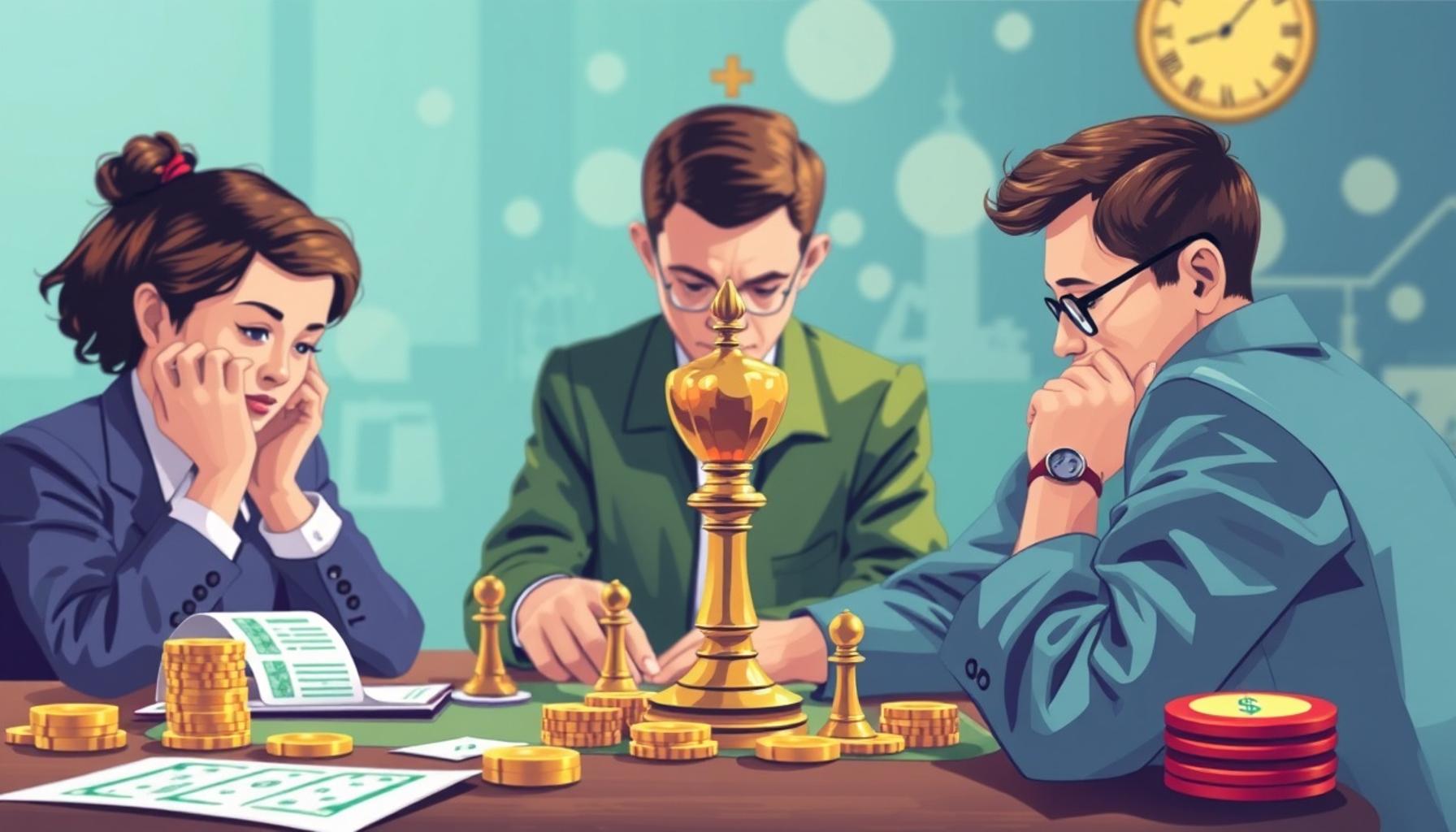
The Art of Strategic Thinking: How Board Games Stimulate the Mind
The Impact of Board Games on Strategic Thinking
In today’s fast-paced world, where instant gratification often overshadows thorough decision-making, the art of strategic thinking has become increasingly important. Surprisingly, one of the most effective mediums for honing this skill lies not in the digital realm, but rather on the shelves of board game collections. These games, often dismissed as simple pastimes, can significantly enhance cognitive abilities and sharpen mental acumen. They invite players to engage in critical thought, swift adaptability, and long-term planning.
One of the central advantages of board games is their ability to encourage planning and foresight. For instance, in a game like Chess, players must think several moves ahead, predicting their opponent’s reactions while preparing for potential counterattacks. Similarly, in Go, the focus on territorial control requires players to negotiate complex strategies, blending offense and defense throughout the match. This kind of foresight not only sharpens one’s skills within the game but also translates well into real-world scenarios, such as project management or strategic business planning.
Board games also promote problem-solving skills through their intricate scenarios. Games like Pandemic compel players to work together to build strategies that effectively deal with a spreading virus, fostering collaboration under pressure. This collaborative aspect encourages negotiation and communication skills, vital in both personal and professional interactions. As players strategize against common challenges, they strengthen their ability to share ideas and develop consensus.
Moreover, there’s a vast array of games available that cater to different interests and styles. From classics such as Risk, which involves tactical expansion and resource management, to modern hits like Catan, where resource trading and negotiation are essential, each game provides fresh obstacles that stimulate the mind. Many players have reported that these experiences create a sense of achievement and encourage a deep reflection on decision-making processes.

Research suggests that engaging with board games can lead to improved memory and increased attention span. The cognitive demands placed on players promote heightened creativity and analytical thinking, allowing them to dissect their tactics and foresee their rivals’ moves. Such mental engagement can also delay cognitive decline, making these games not only fun but beneficial for lifelong mental health.
This exploration of board games reveals their dual purpose: To entertain and to serve as complex training grounds for strategic thinking. As we delve deeper, we will unveil the fascinating relationships between play, competition, and mental agility. So gather your friends, dust off those board game boxes, and embark on a journey that promises both enjoyable challenges and invaluable life skills.
DISCOVER MORE: Click here to dive deeper
Unlocking Cognitive Potential Through Gameplay
Board games are not merely a form of entertainment; they serve as a profound platform for developing strategic thinking skills. They engage players in structured environments where decision-making is paramount. This interactive nature of board games fosters cognitive development in multiple dimensions, making them a unique tool for mental stimulation. In understanding how these games can enhance strategic thought, several key components can be identified.
Critical Decision-Making
At the heart of strategic thinking is the ability to make sound decisions, often in limited timeframes. When engaged in a game like Settlers of Catan, players must assess resources carefully to build and expand their settlements. Each choice not only affects their immediate standing but also alters the prospects of fellow players. This dynamic builds a deeper understanding of the consequences of decisions, mirroring the kind of analysis required in business negotiations or personal life choices.
Adaptive Strategy Development
Successful players learn to adapt their strategies based on the actions of their opponents. In games such as Ticket to Ride, where routes are contested and resources are finite, players must continuously evolve their tactics. This necessity for flexibility trains the brain to be agile, capable of recalibrating when plans go awry—a skill that is invaluable in fast-changing environments, whether they are corporate landscapes or social interactions.
Multi-Dimensional Thinking
Another remarkable aspect of board games is their ability to sharpen multi-dimensional thinking. In games like Twilight Struggle, where players simulate the Cold War, strategic moves must take into account not just immediate threats, but also long-term impacts across various global regions. This broad, multi-faceted approach to thinking teaches players to analyze and strategize across different contexts, further enhancing their analytical capabilities.
Inspiring Collaboration and Communication
Board games also play a critical role in fostering collaboration. Cooperative games, such as Forbidden Island, require players to work together toward a common goal. Engaging in dialogue and forming alliances cultivates interpersonal skills and bolsters players’ abilities to negotiate effectively. The experience of sharing strategies and aligning efforts teaches valuable lessons about teamwork, critical in both professional settings and personal interactions.
- Enhanced critical thinking: Players learn to evaluate scenarios quickly and effectively.
- Improved adaptability: Players must adjust their strategies on-the-fly as games evolve.
- Strengthened communication: Players must articulate their ideas and reasonings to foster teamwork.
- Greater foresight: Engaging with multiple possible outcomes and planning several moves ahead.
As we delve deeper into how board games craft innovators and leaders through strategic experience, it becomes clear that these games are a treasure trove of cognitive benefits. The fusion of play, strategy, and social interaction creates a rich environment where strategic thinking flourishes, preparing individuals for the complexities of real-world challenges. Each game session presents an opportunity to cultivate not only intellect but also the essential skills needed in life. Thus, the journey through the world of board games becomes one of both enjoyment and profound growth.
The Cognitive Benefits of Board Games
When it comes to strategic thinking, board games serve as remarkable tools for mental development. Engaging with these games allows individuals to enhance crucial cognitive skills such as problem-solving, critical thinking, and decision-making. Each move in a board game often requires contemplation and foresight, compelling players to think multiple steps ahead, much like a complex chess match.
Social Interaction and Teamwork
Board games also foster social interaction. Playing alongside others encourages communication, cooperation, and healthy competition. This social aspect not only makes the experience enjoyable but can also bolster emotional intelligence as players learn to read others’ strategies and adapt their gameplay accordingly. The essence of teamwork is reinforced as players share victories and losses, nurturing relationships, and building camaraderie.
Memory Enhancement
Many board games demand players to remember rules, positions, and past moves, effectively exercising their memory skills. Games that involve card collection, like Magic: The Gathering, challenge players to recall not only their own strategy but also anticipate opponents’ actions. This constant memory engagement results in improved retention capabilities in everyday scenarios.
Stress Reduction
Engaging in board games has also been linked to reduced stress levels. Taking a break from daily routines to participate in a game can serve as a form of mindfulness, allowing players to focus on the present moment. This can lead to relaxation and improved overall mental health. Research indicates that casual gaming creates a healthy distraction that can alleviate anxiety.
| Category | Benefits |
|---|---|
| Cognitive Skills | Enhances problem-solving and critical thinking |
| Social Interaction | Fosters teamwork and emotional intelligence |
| Memory Enhancement | Exercises memory and retention skills |
| Stress Reduction | Promotes relaxation through mindfulness |
In addition to these individual benefits, board games can stimulate a strategic mindset that transcends gameplay. They encourage players to evaluate risk, plan future actions, and develop patience and resilience—skills vital in both personal and professional realms. As the world continues embracing digital innovation, the charm and effectiveness of traditional board games as tools for mental stimulation remain undeniable.
DISCOVER MORE: Click here to deepen your understanding
Fostering Long-Term Strategic Planning Through Play
Beyond immediate decision-making and adaptability, board games also instill the art of long-term strategic planning—a vital skill in both personal and professional realms. When players engage in campaigns within games like Risk, they must balance short-term gains with long-term goals, weighing the benefits of immediate attacks against the strategy of preserving their resources for future turns. This teaches the importance of foresight and patience, encouraging players to think several moves ahead, much like a chess player contemplating the sequence of moves that will lead to checkmate.
The Role of Risk Assessment
Moreover, board games provide a sandbox for learning how to assess risks effectively. A player might need to decide whether to build a stronghold in a contested area or focus on expanding their territory quietly. This involves a careful calculation of the potential benefits and dangers involved, fostering a mindset that routinely weighs pros and cons. By playing games that require constant risk evaluation, such as Monopoly, participants develop the ability to forecast outcomes based on available information, giving them a competitive edge in negotiations and decision-making scenarios.
Understanding Resource Management
Another critical component inherent in many board games is resource management. In games like Power Grid, players must control limited resources while managing their economic growth. Strategic investments in power plants and utilities require foresight, planning, and the ability to respond to competitors’ actions. The lessons learned here are directly transferable to real-world settings, particularly in project management, entrepreneurship, or any environment involving resource allocation. Players come to appreciate the intricacies of balancing immediate needs against future objectives, enriching their understanding of effective management.
Building Resilience Through Competition
Furthermore, competition in board games fosters resilience—a habit that can significantly influence strategic thinking. Players must not only cope with setbacks but also learn to bounce back from losses or unfavorable twists in gameplay. After a tough session of Carcassonne, where territory and points can be swiftly gained or lost, players are prompted to analyze what went wrong, allowing them to refine their future strategies. Such resilience pays dividends in all walks of life, giving individuals the fortitude to persist despite difficulties.
- Long-term strategic planning: Players learn the importance of balancing immediate actions with future implications.
- Risk assessment: Engaging in games requires evaluating potential actions’ risks and rewards.
- Resource management: Players cultivate skills to allocate resources efficiently and strategize their use.
- Competitive resilience: Overcoming losses fosters a mindset geared towards learning and improving strategies.
Through these various lenses, board games not only entertain but are instrumental in shaping agile, strategic minds. The profound implications of strategic gameplay resonate well beyond the game board, emphasizing how crucial skills such as planning, resource management, and resilience are in navigating an increasingly complex world. As players engage with these elements, they build a toolkit of strategies that will serve them well in their future endeavors, transforming the mundane into a springboard for personal and professional growth.
LEARN MORE: Click here to dive deeper
Conclusion: Elevating Strategic Thinking Through Board Games
In a world increasingly characterized by complexity and rapid change, the ability to engage in strategic thinking has never been more essential. As we’ve explored, board games serve as a powerful tool for honing this skill, offering players a dynamic environment to practice and refine their decision-making capabilities. From nurturing long-term strategic planning to enhancing risk assessment skills, these games naturally stimulate critical thinking and adaptiveness, preparing individuals for the multifaceted challenges of life.
The diverse lessons embedded in games such as Monopoly, Risk, and Power Grid extend beyond mere entertainment. They empower players to manage resources effectively while encouraging resilience in the face of competition and setbacks. As players navigate through strategies and outcomes, they develop a toolkit that fosters both personal and professional growth.
Ultimately, the art of strategic thinking cultivated through board games can lead to better outcomes in negotiations, project management, and various aspects of daily life. By encouraging players to reflect, adapt, and persist, these games not only entertain but also transform how we approach problem-solving in a complex world. As we continue to engage with these captivating pastimes, we equip ourselves with the invaluable skills necessary to thrive in an ever-evolving landscape. So, next time you gather around the game board, remember: you are not just playing; you are developing skills that will serve you long after the game ends.
Related posts:
Strategic Thinking and the Art of Negotiation in Board Games: Tactics to Win Conflicts
Strategic Thinking in Card Games: Tactics and Psychology Behind the Moves
Puzzles and Decisions: The Role of Strategic Thinking in Problem Solving
The Role of Strategy Games in the Development of Emotional Intelligence: Navigating Relationships an...
Strategy Games and the Psychology of Critical Thinking: Learning to Anticipate Opponent Moves
Unveiling the Mathematics Behind Strategy Games: The Importance of Logical Reasoning in Everyday Ski...

Linda Carter is a writer and puzzle expert specializing in mind games, brain teasers, and cognitive challenges. With extensive experience helping individuals enhance their problem-solving skills and think critically, Linda shares her knowledge on our platform. Her goal is to empower readers with practical advice, engaging puzzles, and strategies to sharpen their minds and achieve success in the captivating world of mind games and puzzles.