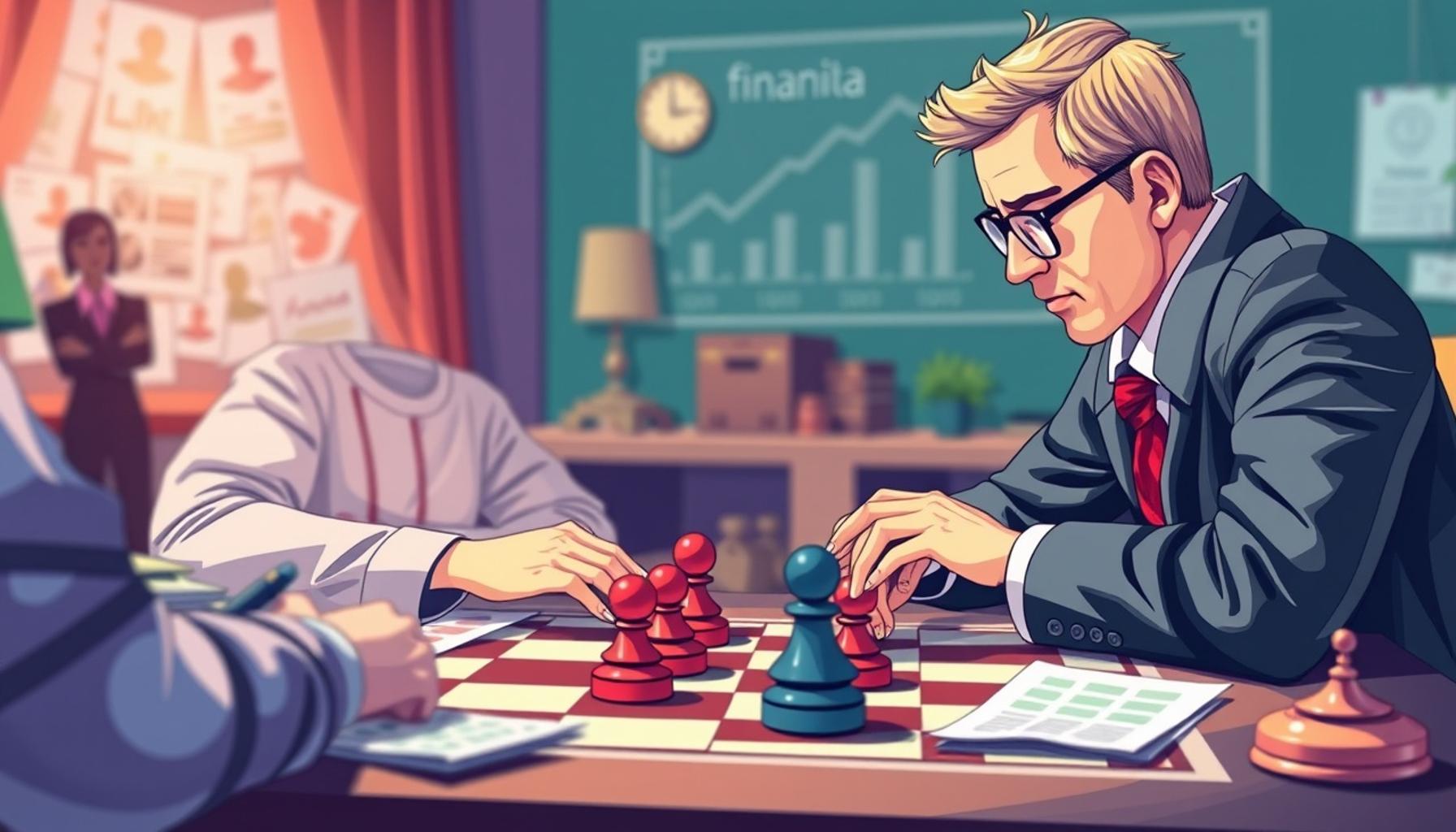
Strategic Thinking in Card Games: Tactics and Psychology Behind the Moves
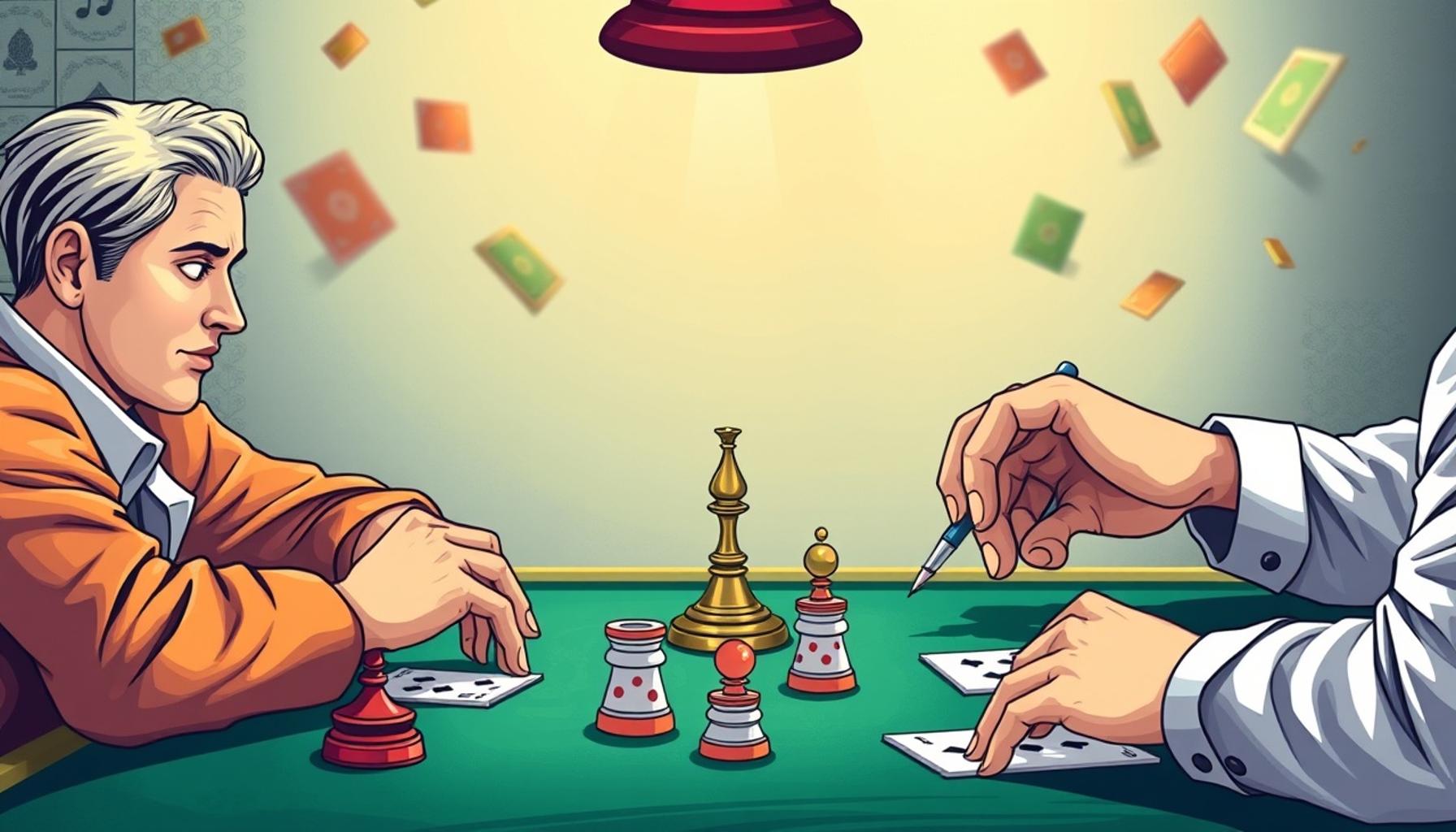
Understanding the Depth of Card Game Strategies
In the realm of card games, every move is a blend of calculated risks and psychological acumen. Players are not just shuffling cards; they are engaging in a vibrant dance of strategy and mind games. Whether you are playing poker at a local casino or participating in a family game night with Uno, grasping the tactics behind each decision can be the difference between victory and defeat.
Strategic thinking in card games can be viewed through multiple lenses, and recognizing the nuances of gameplay can significantly elevate one’s performance. Here are some essential aspects that molded effective gameplay:
- Game Theory Principles: Understanding the fundamentals of game theory can significantly enhance your gameplay. For instance, in poker, your decision to call, raise, or fold can depend heavily on probabilities and the potential actions of your opponents. Analyzing past outcomes can help you predict possible future moves, providing you with a tactical edge.
- Reading Opponents: Observing the behavior and body language of other players can give you insight into their strategies. A twitch of an eyebrow or a nervous habit might indicate that they’re bluffing. This skill, often viewed as a ‘tell’, can provide valuable information that could shape your strategic decisions.
- Risk Assessment: Evaluating the risks versus rewards plays a crucial role in determining your next move. Are you willing to risk a significant part of your stack for a slim chance at victory? Weighing these options is vital—understanding that prudence can sometimes lead to greater gains in the long run.
Moreover, the psychological elements can’t be overlooked. Mastery of these aspects can often make the difference in tightly contested matches:
- Bluffing: Skillfully misleading opponents can turn the tide of the game in your favor. In a poker match, for instance, executing a well-timed bluff can convince your adversaries to fold, even when they have stronger hands.
- Emotional Control: Maintaining composure under pressure is vital to making smart decisions. The ability to remain stoic in the face of adversity ensures that your gameplay does not become fraught with impulsive reactions.
- Adaptability: The ability to adjust strategies based on game dynamics can lead to success. For example, if the cards aren’t falling in your favor, switching tactics from an aggressive to a defensive approach may be necessary to preserve your position in the game.
As you delve deeper into the fascinating world of strategic thinking in card games, you’ll uncover not only various tactics but also the intricate psychology behind each move. This blend of strategy and insight is what makes card games not just a pastime but also an exhilarating battle of wits. By honing your awareness of these principles and embodying them in play, you will not only increase your chances of winning but also enrich the overall experience of the game, leading to countless hours of enjoyment and competition with friends and family alike.
DISCOVER MORE: Click here to learn about the benefits of competitive mind games
The Mechanics of Strategy in Card Games
At the heart of strategic thinking in card games lies a complex interplay between skill, intuition, and psychological insight. Each player enters the arena armed with knowledge of the rules, yet the true mastery of the game is found in the subtleties of tactics. Understanding how to manipulate not only the cards but also the perceptions of your opponents can elevate your gameplay to new heights.
One pivotal aspect of strategic gameplay is the concept of decision-making under uncertainty. In games like poker, every hand presents an array of unpredictable outcomes. Players must constantly assess their hands, the cards on the table, and the potential holdings of their opponents. This requires a balance between confidence in one’s own strategy and the ability to anticipate the maneuvers of others. Players often employ mathematical principles, such as pot odds and expected value, to quantify their decisions. These calculations can inform whether to pursue a risky bet or to curtail aggressive play, showcasing how numerical analysis integrates with gameplay strategy.
Moreover, the notion of information control is paramount. Players are constantly weighing what to reveal and what to conceal. In card games, revealing too much about one’s strategy can lead to exploitable patterns, while remaining opaque can create opportunities for deception. A successful player understands that bluffing is not merely a component of skill but is deeply entwined with psychological manipulation. Creating a facade, implying strength when one is weak, or vice versa, requires adept reading of opponents’ behavior.
- Patience and Timing: The art of knowing when to act is vital. Whether to unleash a bold strategy or to hold back can hinge on subtle shifts in the game’s dynamics. Effective players often engage in a waiting game, monitoring their peers’ strategies before making their own decisive moves.
- Scenario Analysis: Preparing for multiple outcomes enhances strategic flexibility. By mentally rehearsing various game scenarios, players can adjust their tactics in real time, leading to quicker and more effective decision-making.
- Player Profiles: Every opponent brings a distinct playing style. By tailoring your approach based on the behavioral trends of your adversaries—whether they are conservative, aggressive, or erratic—you can increase your chances of success.
As you delve deeper into strategic thinking in card games, it becomes clear that those who master both the tactical elements and the psychology behind each move do not simply react—they anticipate, adapt, and overcome. The thrill of card games lies not just in the outcome but in the intellectual challenge of outsmarting others at the table. As you refine your skills, you may find that the thrill of the game extends beyond winning; it resides in the rich tapestry of strategy, psychology, and human interaction.
Strategic Elements in Card Games
Card games have long been a platform for demonstrating strategic thinking. Players must constantly evaluate their options, anticipate opponents’ moves, and measure the risks involved in their decisions. The psychology behind these games influences every aspect of play, as understanding not just the cards but also the mentality of fellow players is crucial.Interpreting your opponent’s strategy enables you to make informed decisions. For instance, bluffing in poker isn’t merely about the cards you hold; it’s about reading your opponent’s confidence. Those who can accurately gauge when to bluff or when to hold back often hold a significant advantage. This nuanced psychological interaction reveals much about human behavior and decision-making processes.Moreover, card games encourage players to adopt various tactics based on different scenarios. The use of probability and risk assessment plays a key role. Players must calculate potential gains versus losses in every move, a skill that can translate seamlessly into real-life situations requiring strategic planning.As we delve deeper, understanding concepts like game theory can further enrich one’s gameplay. Game theory studies competitive situations where the success of a player’s strategy depends significantly on the strategies adopted by others. By examining these intricate dynamics, players can enhance their ability to make decisions under uncertainty, paving the way for elevated gameplay.
The Importance of Psychological Resilience
In the context of card games, psychological resilience is vital. Players need to be able to maintain focus, adapt to changing situations, and manage emotional responses. The ability to remain calm under pressure can dictate the outcome of the game. A player’s mindset directly influences their strategy, making it essential to cultivate mental strength.Conversing about the importance of patience and careful consideration of each move allows players to seize opportunities that may not be immediately visible. Whether you’re waiting for the right card to materialize or observing your opponents for tells, a thoughtful approach often leads to victory.As players increasingly integrate the principles of strategic thinking and psychological insight, they elevate not only their game but also their understanding of interpersonal dynamics in high-pressure environments—illustrating that card games are not just a pastime but a complex interplay of mind and strategy.
DISCOVER MORE: Click here to enhance your problem-solving skills
The Psychological Warfare of Competitive Card Play
The realm of card games transcends mere numerical analysis and tactics; it embeds itself deeply in the psychology of player interaction. Every decision made at the table intertwines with psychological maneuvers aimed at gaining an edge over opponents. This aspect of psychological warfare often defines the victor, as understanding human behavior can be just as crucial as understanding the rules of the game.
One foundational element of psychological strategy is the concept of reading the table. Each player’s demeanor, from subtle body language to facial expressions, can provide invaluable insights into their hand’s strength. For example, a player might display tell-tale signs of nervousness when holding a weak hand, such as fidgeting or a lack of eye contact. Conversely, a confident player might lean back, arms crossed, exuding an air of dominance. Experienced players hone their observational skills, becoming adept at interpreting these psychological cues to inform their own decisions and counterstrategies.
Moreover, the art of deception serves as a cornerstone of strategic thinking in card games. Players often find themselves in situations where the best move might involve misleading their opponents. This can manifest in various forms, such as making an ill-timed aggressive play with weak cards to provoke a reaction or underplaying a strong hand to encourage opponents to engage in unfavorable bets. The psychological impact of these strategies goes beyond just the mechanics of the game; it plays on the emotions and expectations of all players involved.
- Confidence and Emotional Control: The ability to remain composed under pressure is pivotal. Manipulating one’s own emotions, and projecting confidence even in adverse situations, can destabilize opponents. Many successful players employ techniques such as breathing exercises or visualization to maintain poise, turning nervous energy into calm focus.
- Bluffing Psychological Dynamics: Understanding when to bluff requires not just a grasp of your own cards but also the psychological profile of your opponents. Committing to a bluff too early may give away your strategy, while waiting too long could result in missed opportunities. Skilled players gauge their opponents’ tolerance for risk and adjust their bluffs accordingly, as the effectiveness of a bluff often hinges on the anticipated reactions of others.
- Creating a Narrative: Players often engage in storytelling through their gameplay. By establishing a consistent playing behavior, a player can craft a narrative that misleads their opponents. An unexpected change in this narrative—such as a sudden aggressive play after a long sequence of conservative moves—can create doubt and fear among other players, setting the stage for a tactical advantage.
The interplay of psychological strategies in card games underscores that victory often hinges upon more than just the cards dealt. As players maneuver through the emotional landscape of competition, the ability to think strategically about both gameplay and psychological dynamics ultimately separates the winners from the rest. This intricate dance of bluffing, reading others, and skillful decision-making leaves an indelible mark on the gaming experience, transforming each session at the table into a microcosm of psychological intrigue.
DISCOVER MORE: Click here to learn about the benefits of word games
Conclusion: The Intricacies of Strategic Thinking in Card Games
In the intricate tapestry of card games, the blend of strategic thinking with psychological insights reveals a complex battlefield where intellect and emotion converge. Players are not merely competing against the cards but also navigating a web of human interactions, motivations, and perceptions. Every move at the table becomes a calculated step into the realm of psychological tactics, where understanding and predicting opponents’ behaviors can be just as critical as mastering the rules of the game.
The significance of reading the table cannot be overstated; players must develop acute observational skills to gauge their opponents’ confidence and intentions. Simultaneously, the ability to deceive and manipulate perceptions becomes a powerful weapon. As players craft narratives and weave their own psychological ploys, they engage in a high-stakes showdown that transcends mere chance and skill.
Furthermore, mastering the arts of emotional control and bluffing injects an additional layer of intrigue into card games. The balance between maintaining one’s composure and strategically disrupting an opponent’s emotional state can often tip the scales of victory. As players grasp the psychological profile of their opponents, they can better calibrate their strategies for maximum effectiveness.
Ultimately, the world of card games serves as a fascinating microcosm of human behavior and strategic brilliance. For those who seek to elevate their gameplay, delving deeper into these psychological dynamics offers both a challenge and an opportunity to refine their approach, ensuring each game is not just about the cards in hand but the mental battles waged at every turn. Engaging with this combination of tactics and psychology can lead not only to improved performance at the table but also to a richer understanding of the nuances inherent in competitive play.
Related posts:
Developing Creativity Through Puzzles: The Intersection of Strategy and Innovation
Unveiling the Mathematics Behind Strategy Games: The Importance of Logical Reasoning in Everyday Ski...
The Influence of Board Games on the Development of Leadership and Collaboration Skills
Strategy Games and the Psychology of Critical Thinking: Learning to Anticipate Opponent Moves
The Role of Strategy Games in the Development of Emotional Intelligence: Navigating Relationships an...
The Impact of Strategy Games on Decision Making in Pressure Situations

Linda Carter is a writer and puzzle expert specializing in mind games, brain teasers, and cognitive challenges. With extensive experience helping individuals enhance their problem-solving skills and think critically, Linda shares her knowledge on our platform. Her goal is to empower readers with practical advice, engaging puzzles, and strategies to sharpen their minds and achieve success in the captivating world of mind games and puzzles.