Strategic Thinking and the Art of Negotiation in Board Games: Tactics to Win Conflicts

The Intricacies of Conflict Resolution in Board Games
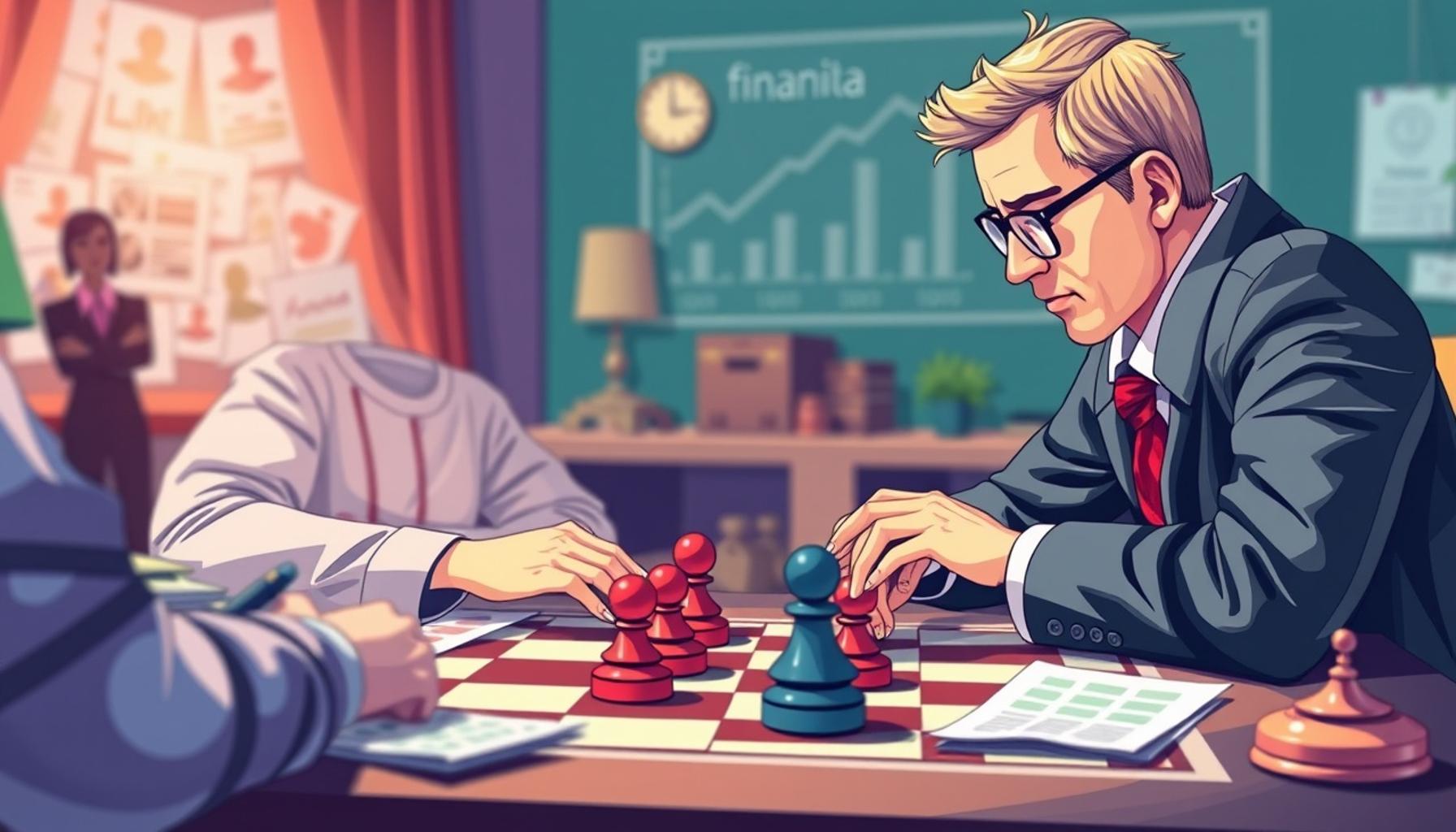
The world of board games is rich with layers of complexity that go far beyond mere entertainment. Players engage in a battlefield not only of strategy but of psychological manipulation, resource allocation, and tactical decision-making. This multifaceted interaction can dramatically influence the outcome of any game, embodying crucial lessons in strategic thinking and negotiation skills.
One of the primary elements to consider is player psychology. Recognizing an opponent’s behavior can yield significant advantages. For example, in games such as Diplomacy, where alliances shift and betrayal is common, being attuned to the subtleties of others’ emotional states and intentions is paramount. A seemingly innocuous decision by one player could signal an impending betrayal or a strategic shift. Players must hone the ability to interpret non-verbal cues and statements made by others, fostering a unique type of psychological warfare that mimics real-world scenarios.
Resource management is another critical component that defines successful gameplay. Take the game Catan, where players need to collect and trade resources like wood, brick, and wheat. The allocation of these assets can greatly influence a player’s bargaining power. Those who can effectively trade and manage their resources have leverage in negotiations, creating opportunities for tactical gains. This mirrors real-life situations where individuals must often negotiate terms based on their available resources, whether in business deals or personal finances.
Adaptability is equally essential; as the game evolves, so must the player’s tactics. In games like Ticket to Ride, the board continually changes, requiring players to develop new strategies as routes fill up and opponents block paths. The ability to pivot and adjust plans on the fly not only establishes a strong position within the game but also reflects a vital life skill. In various settings—be it corporate environments or personal relationships—being adaptable to changing circumstances can lead to more effective conflict resolution.
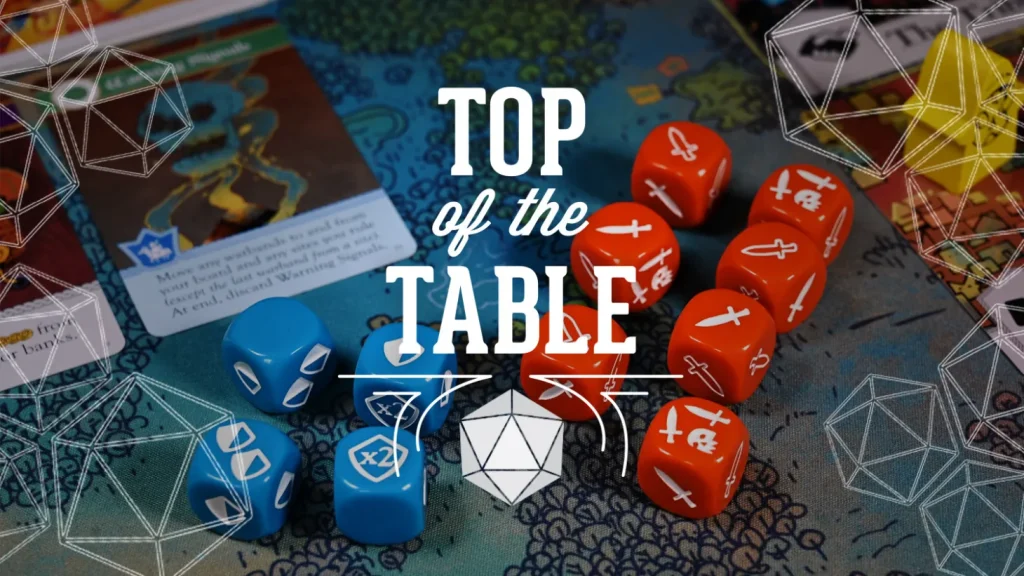
Ultimately, board games act as a training ground for enhancing conflict resolution skills, providing a platform where strategic thinking and negotiation play pivotal roles. This intersection of strategy and interpersonal dynamics is profound and continues to have relevance in our fast-paced, competitive society. By immersing oneself in the mechanics of these games, players acquire tools and insights that extend well beyond the gaming table, equipping them with skills that can be employed in everyday situations.
As players delve deeper into the strategic aspects of board games, they not only refine their gameplay but also cultivate important skills that facilitate better communication and negotiation outcomes in real life. This fascinating interplay remains a timeless and invaluable resource for personal growth and development.
DIVE DEEPER: Click here to discover the effects on spatial awareness
Mastering the Art of Negotiation
In the realm of board games, the art of negotiation emerges as a cornerstone tactic that can shape the course of gameplay and significantly affect a player’s chances of victory. Successful negotiators navigate through layers of alliances and conflicts, often manipulating the social dynamics of the game to their favor. Understanding and implementing effective negotiation strategies can lead to better outcomes, both on the gaming board and in real-life situations.
Central to effective negotiation is communication skills. Players must convey their intentions clearly while also reading the intentions of their opponents. For instance, in cooperative games like Werewolf, players must not only argue their case but also persuade others to trust them and engage in forming alliances. The nuances of verbal communication—tone, word choice, and pacing—can dramatically influence trust-building, essential for successful negotiations. This mirrors the corporate world, where being an articulate communicator can determine the outcome of mergers, partnerships, or conflict resolutions.
Building rapport is another critical element. Establishing trust with fellow players can lead to fruitful partnerships. A player who consistently allies with others tends to create a network of support, which can be particularly advantageous in games like Power Grid, where resources and share prices fluctuate based on player interactions. Players should focus on fostering relationships by listening attentively, engaging in fair trades, and acknowledging others’ contributions. This tactic not only aids in board games but also cultivates meaningful and productive relationships in day-to-day life.
Furthermore, players can benefit from understanding various negotiation styles that can be applied during gameplay. These styles can range from competitive to collaborative approaches, and recognizing when to adopt each strategy is key. Common negotiation styles include:
- Competitive: Aimed at defeating opponents, often at the expense of relationships. Useful in games where self-interest overshadows alliance-building.
- Collaborative: An emphasis on mutual benefit, where players engage in win-win negotiations, enhancing long-term gameplay outcomes.
- Compromising: A balanced approach where players seek quick resolutions through concessions, facilitating faster decision-making.
- Avoiding: Keeping distance from negotiations, which may lead to missed opportunities but can be useful in strategizing for future turns.
- Accommodating: Prioritizing the needs of others, often leading to solid alliances but risking one’s strategic position.
By recognizing these styles and adapting them to specific game situations, players can effectively leverage their skills to build alliances or decide when to play solo. This discipline encourages a deeper understanding of negotiation dynamics, ultimately fostering better conflict resolution abilities.
As players hone these negotiation techniques, they cultivate not only their strategic thinking but also the ability to engage successfully with others. The insights gained from board gaming can transcend into professional realms, aiding individuals in navigating complex interpersonal relationships and achieving outcomes that favor multiple parties.
| Advantage of Strategic Thinking | Impact on Game Negotiation |
|---|---|
| Enhanced Decision-Making | Players learn to evaluate various outcomes before making moves, which sharpens their negotiation skills. |
| Power of Persuasion | Mastering persuasive tactics allows players to build alliances or divert threats effectively, ensuring their competitive edge. |
| Anticipating Opponents | Understanding opponents’ motivations enhances the ability to predict and counteract their strategies during negotiations. |
| Resource Management | Strategic thinkers proficiently allocate their resources, amplifying their negotiating position in gameplay. |
In board games, the art of negotiation is pivotal. For instance, in games like *Catan* or *Diplomacy*, building alliances and engaging in trade are essential for survival and success. Players must utilize their strategic thinking to identify win-win scenarios while also assessing the risks of each negotiation. This prompts them to weigh the immediate benefits against long-term implications—an invaluable skill that translates beyond gameplay into real-world negotiations.Moreover, the cultivation of patience and active listening during gameplay enhances one’s ability to read opponents. By mastering these skills, players are not just trying to win a game; they’re learning to navigate complex interactions, whether at a game table or in professional settings. The intricate dynamics of these board games serve as training grounds, making participants adept at finding pathways to conflict resolution and bargaining power.
DISCOVER MORE: Click here to learn how logic puzzles can enhance your memory and concentration
Utilizing Strategic Thinking in Negotiations
While negotiation skills play a crucial role in board games, strategic thinking is equally important for achieving success. It involves the ability to analyze situations, predict potential outcomes, and devise tactics that move players closer to their objectives. Strategic thinking helps players not only in establishing alliances but also in understanding when to dismantle them to maximize their position in the game.
A prime example of strategic thinking can be seen in games such as Settlers of Catan, where resource management is directly tied to player negotiations. Here, a player must evaluate their hand of resources and determine the optimal trades to enhance their position. By assessing others’ needs and desires, they can propose trades that may seem beneficial to their counterparts while simultaneously positioning themselves for a long-term competitive edge. This type of foresight is a hallmark of a strategic thinker, as it underscores the importance of balancing short-term gains with long-term strategy.
Another key facet of strategic thinking is the ability to conduct situation analysis. Players should regularly assess the board and the dynamics between participants. For instance, in a game like Twilight Imperium, players must monitor the shifting alliances and rivalries to gauge the best moment for negotiation. By staying attuned to the power dynamics, a player can identify when conflicts are brewing and seek to mediate or capitalize on them, rather than being drawn into unnecessary confrontations.
Moreover, recognizing the importance of timing is essential in negotiations. The right moment to strike can be the difference between victory and defeat. Games such as Diplomacy require players to engage in and retract alliances fluidly. Players must have the insight to know when to advance negotiations further or when to retreat and observe while retaining their influence. A well-timed proposal can sway the direction of the game significantly, highlighting the interplay between patience and urgency in strategic processes.
Another tactic for effective negotiation lies in maintaining a flexible mindset. Players should approach each game with adaptability in mind—ready to pivot strategies based on new developments and emerging information. This flexibility opens avenues for creative solutions that can address multiple players’ interests simultaneously, often leading to innovative alliances or unexpected outcomes. The adaptability seen in games like 7 Wonders allows for rapid shifts in strategy as players react to the building tableau and the evolving needs of their opponents.
Furthermore, honing one’s ability to effectively leverage competitive intelligence can give players a significant advantage. Understanding an opponent’s strategy not only helps in countering their moves but also in predicting and negotiating agreements to weaken their position. Players who articulate what they need while subtly revealing little can maintain the upper hand. In the world of business negotiation, this practice correlates with the concept of “information asymmetry,” where having more or better information enables a participant to negotiate more favorable terms.
As players immerse themselves in strategic board games, they cultivate a toolkit of negotiation techniques and strategic skills that can seamlessly transfer to real-world scenarios. Whether in business environments, community projects, or personal relationships, the lessons gleaned from strategic thinking and negotiation practices reinforce a foundational understanding of conflict resolution that can lead to win-win solutions.
DISCOVER MORE: Click here to learn about the impact of virtual reality puzzles
Conclusion
In summary, the fusion of strategic thinking and the art of negotiation in board games reveals invaluable insights that extend beyond the gaming table. As players engage in various scenarios, they learn to evaluate situations judiciously, harness the power of alliances, and remain adaptable to shifting dynamics. These skills cultivate an acute sense of timing and foresight that is essential for navigating both friendly competitions and potential business conflicts.
From resource management in Settlers of Catan to the complex political maneuvering in Twilight Imperium, each game offers a microcosm for understanding the human motivations underlying negotiation tactics. Moreover, the ability to leverage competitive intelligence solidifies one’s position while ensuring that interactions remain beneficial and strategic.
As players sharpen their skills, they not only enhance their gameplay experience but also acquire tools that are transferable to various aspects of life—be it in professional environments, community initiatives, or personal relationships. The critical thinking and negotiation prowess cultivated through these engaging activities become vital for achieving mutually beneficial outcomes in real-world conflicts.
Ultimately, whether you’re haggling for the last resource card or navigating complex business deals, the principles of strategic thinking and negotiation learned through board games offer a comprehensive framework for success. Embrace these tactics, and you may find that your capacity for resolving conflicts and securing advantageous outcomes—and perhaps a few victories along the way—expands remarkably.
Related posts:
The Impact of Strategy Games on Decision Making in Pressure Situations
Puzzles and Decisions: The Role of Strategic Thinking in Problem Solving
Unveiling the Mathematics Behind Strategy Games: The Importance of Logical Reasoning in Everyday Ski...
Strategy Games and the Psychology of Critical Thinking: Learning to Anticipate Opponent Moves
The Role of Strategy Games in the Development of Emotional Intelligence: Navigating Relationships an...
Strategic Thinking in Card Games: Tactics and Psychology Behind the Moves

Linda Carter is a writer and puzzle expert specializing in mind games, brain teasers, and cognitive challenges. With extensive experience helping individuals enhance their problem-solving skills and think critically, Linda shares her knowledge on our platform. Her goal is to empower readers with practical advice, engaging puzzles, and strategies to sharpen their minds and achieve success in the captivating world of mind games and puzzles.