Puzzles as Learning Tools: Stimulating Strategic Thinking in Children
A Deeper Look into the Impact of Puzzles on Child Development
In an age where technology has taken center stage, puzzles emerge as a timeless activity that bridges traditional play with the cognitive growth of children. These engaging activities serve not only as a form of entertainment but also as essential tools for developing critical skills that shape a child’s future. Engaging in puzzles encourages children to think strategically while they play, allowing them to learn essential life skills without even realizing it.
One of the most notable benefits of puzzles is their ability to enhance critical thinking. As children work through the challenges posed by puzzles, they must analyze different pieces or clues. For instance, a simple jigsaw puzzle may require a child to identify colors, shapes, and patterns. This analytical process helps improve their reasoning abilities, enabling them to make informed decisions not just in gaming but also in real-life situations. Additionally, this practice encourages them to verbally articulate their thinking, fostering communication skills as they describe their strategies to peers or parents.
Problem-solving skills are also developed significantly through puzzle play. When faced with tough challenges, children learn persistence. They may encounter frustration when a particular piece doesn’t fit or a math problem proves complex in a Sudoku. However, through trial and error, they learn not to give up easily. This resilience is a critical part of personal development that translates into academic and social success later in life.
Moreover, puzzles enhance a child’s spatial awareness. Playing with shape-sorting toys or three-dimensional puzzles helps children understand dimensions and how different shapes interact. Research highlights that children who engage in regular puzzle activities often display improved abilities in geometry and other spatial tasks needed in fields such as engineering or architecture.
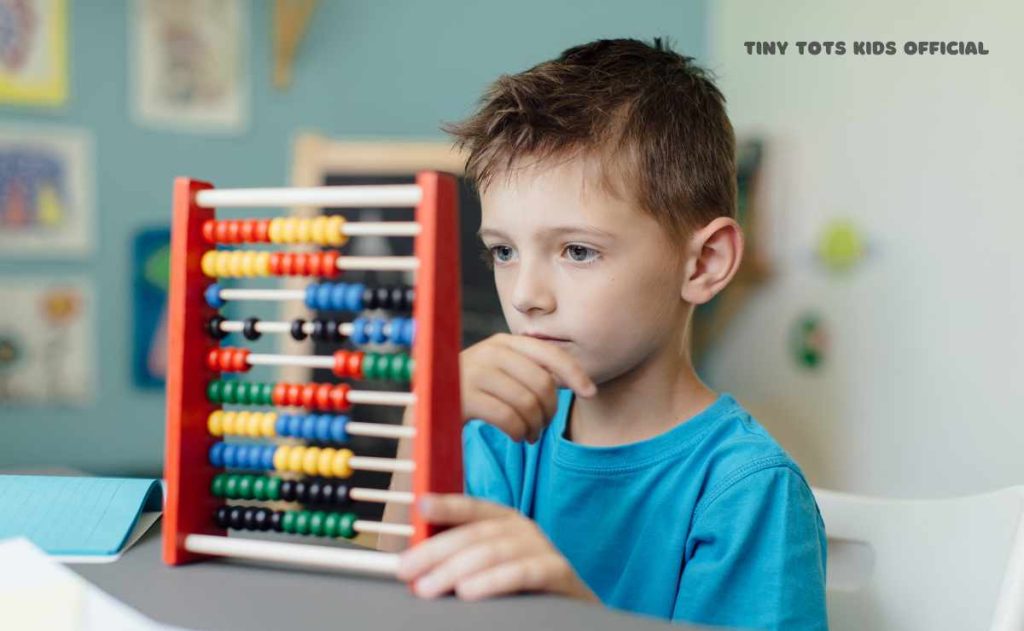
The appeal of puzzles is vast, ranging from the classic jigsaw to the intriguing world of Sudoku, and their versatility makes them perfect for various age groups. Studies have shown that children who engage in puzzle activities may exhibit significant advancements in cognitive flexibility and memory retention. For example, children exposed to puzzles at an early age often outperform peers on standardized tests later in school, illustrating the long-term benefits of these engaging exercises.
Integrating puzzles into both educational curriculums and home routines can create nurturing environments that encourage strategic thinking. Parents and educators are encouraged to set aside time for puzzle activities, making them a regular part of daily learning. This approach helps cultivate a robust foundation for children to become inquisitive and agile thinkers as they grow.
In conclusion, the impact of puzzles on childhood development is profound and far-reaching. By exploring the fascinating connection between puzzles and cognitive enhancement, we can better understand their role in shaping the inquisitive minds of tomorrow. As we introduce more puzzling challenges into our children’s lives, we also unlock the potential for them to become not just good problem solvers but critical thinkers ready to take on the complexities of the world.
DIVE DEEPER: Click here to discover the link between chess and cognitive flexibility
The Cognitive Benefits of Puzzle Play
As children delve into the world of puzzles, they embark on a journey that enhances their cognitive abilities on multiple fronts. Engaging with puzzles not only entertains them but also transforms their playtime into a rich learning experience. The cognitive processes activated while assembling a jigsaw puzzle, solving a Rubik’s Cube, or tackling a crossword are invaluable for a child’s mental development. Particularly, puzzles foster strategic thinking, allowing children to develop methods and plans while assessing various outcomes.
Puzzles compel children to think critically and creatively. Every piece or clue leads to analysis and evaluation, as they experiment with placement, anticipate results, and re-evaluate their strategies based on outcomes. Key skills that puzzles help nurture include:
- Analytical Skills: Breaking down complex problems into manageable parts is vital for effective problem-solving. Children learn to dissect puzzles and approach each piece with a critical eye.
- Logical Reasoning: To solve puzzles, children must make logical connections, discern order, and understand sequences. This reasoning cultivates a mindset ideal for tackling academic subjects like mathematics and science.
- Pattern Recognition: The ability to identify trends and associations in puzzle parts fosters greater spatial awareness, which is crucial for subjects reliant on geometry and visual understanding.
Furthermore, these mental gymnastics improve memory retention. Children remember strategies used in previous puzzle experiences, refining their approach with each new challenge. A study published in the journal “Cognitive Development” revealed that children who frequently engage in puzzle play perform better on tasks that require memory recall and information processing than those who do not. The repetitive motion of problem-solving offers them a practical way to engage their memory while having fun.
Puzzles can also serve to enhance social skills when played in collaborative settings. Working as a team on a puzzle encourages children to communicate their thoughts, negotiate ideas, and share decision-making responsibilities. For instance, during a group jigsaw project, one child may suggest a strategy, while another pieces together sections based on that idea. This collaborative approach nurtures teamwork and enhances emotional intelligence by teaching children the value of listening and valuing peer input.
Incorporating a variety of puzzles into daily routines can significantly influence a child’s overall growth. Parents and educators can introduce different types of puzzles, from traditional ones like jigsaw and crossword puzzles to modern and digital ones that simulate problem-solving environments. The objective is to expose children to various levels of challenge, encouraging them to push their cognitive boundaries.
In summary, the cognitive benefits of puzzles extend beyond simple entertainment, providing children with critical skills crucial for their development. By fostering strategic thinking and enhancing cognitive abilities, puzzles become indispensable learning tools that prepare children to approach the complexities of life and academia with confidence and creativity.
Puzzles as Learning Tools: Stimulating Strategic Thinking in Children
Puzzles serve as a fascinating medium for children to engage their minds in strategic thinking and problem-solving. Utilizing puzzles in educational settings allows children to develop a myriad of cognitive skills while having fun. As they navigate through various challenges, these young thinkers refine their abilities to analyze, predict, and execute strategies effectively. This endeavor not only enhances their problem-solving skills but also fosters creativity and perseverance.
Incorporating different types of puzzles, such as jigsaw puzzles, logic puzzles, and spatial reasoning games, exposes children to diverse thinking patterns. Each puzzle type presents unique challenges, guiding children to approach problem-solving from multiple angles. Furthermore, when children work on puzzles collaboratively, they learn critical social and communication skills as they discuss strategies and share insights with their peers.
Research has demonstrated that engaging with puzzles correlates with improved mathematical and reading abilities. For instance, studies show that children who regularly work on logic puzzles exhibit better performance in standardized tests, indicating a strong relationship between puzzle-solving activities and academic success.
Additionally, puzzles can be adapted to fit various educational curricula, making them versatile tools that can be tailored to individual learning needs and preferences. By incorporating puzzles into daily routines or educational programs, parents and educators can ignite a passion for learning in children while equipping them with skills necessary for future endeavors.
| Category | Description |
|---|---|
| Cognitive Development | Puzzles enhance critical thinking and analytical skills. |
| Social Skills | Collaborative puzzle-solving fosters teamwork and communication. |
Moreover, the interactive nature of puzzles promotes a growth mindset, encouraging children to embrace challenges and learn from mistakes. As children experience the satisfaction of overcoming obstacles in puzzles, they cultivate resilience, a vital trait for navigating life’s challenges.
In summary, integrating puzzles into children’s learning experience serves as a powerful tool to stimulate strategic thinking, enhance cognitive abilities, and develop essential life skills. Encouraging puzzle-solving not only benefits academic performance but also nurtures well-rounded individuals prepared for future success. With an array of puzzles available, educators and parents are equipped to inspire curiosity and foster a love for learning in their children.
EXPLORE MORE: Click here to discover how puzzles can boost creativity
Enhancing Emotional and Social Skills through Puzzle Engagement
While the cognitive benefits of puzzle play are noteworthy, the emotional and social skills developed during these activities are equally important. Puzzles provide an excellent opportunity for children to cultivate their emotional intelligence and strengthen their interpersonal relationships, making them a comprehensive learning tool. As children work through puzzles, they encounter challenges that elicit a range of feelings, including joy in successes and frustration in setbacks. These experiences are essential for teaching children how to manage their emotions, a skill vital for their lifelong personal and social development.
In collaborative puzzle-solving scenarios, children learn to navigate not only strategies for problem-solving but also the complex dynamics of group interactions. They experience the thrill of collective achievement when completing a puzzle together, which fosters a sense of belonging and community. According to a study conducted by researchers at the University of North Carolina, children who engage in collaborative puzzle activities exhibit heightened levels of cooperation and empathy, compared to those who typically play alone. This cooperative element of puzzles promotes a sense of shared purpose, enhancing the leisure activity’s educational potency.
Furthermore, puzzles are known to encourage effective communication skills. When children explain their thought processes, provide feedback, or suggest tactics during a puzzle-solving session, they practice articulating their ideas clearly. This verbal exchange helps develop both listening and speaking skills, critical for success in adult life. Children learn the importance of perspective-taking when they listen to their peers’ viewpoints and incorporate them into their strategy. This exchange not only supports cognitive growth but also nurtures self-awareness and regulation skills as they learn to express their thoughts constructively.
Additionally, the emotional resilience built through puzzles cannot be overstated. Encountering challenges and persisting despite difficulties teach children how to cope with failure and recognize that mistakes are part of the learning process. For example, when a child initially struggles to fit a piece into the wrong space, it offers an opportunity to evaluate their approach and either persist or adapt their strategy. This kind of perseverance is essential for handling academic and life challenges later on.
Parent and educator involvement also enhances the benefits that children derive from puzzle play. When adults engage in puzzles with children, they not only guide their problem-solving techniques but also model constructive behaviors in handling frustrations and celebrating successes. According to the National Association for the Education of Young Children (NAEYC), interactive experiences like shared puzzle-solving contribute to a child’s overall social and emotional development, reinforcing the value of relational learning.
Integrating puzzle play into educational settings or family time encourages a holistic approach to development, addressing cognitive needs while simultaneously catering to emotional and social growth. Parents and educators can curate a range of puzzles that assess various skill levels, ensuring each child is appropriately challenged while being emotionally supported. By understanding the multifaceted benefits of puzzle play, adults can implement this simple but powerful tool to significantly enrich children’s learning experiences.
DIVE DEEPER: Click here to discover more
Conclusion: Unleashing Potential through Puzzle Engagement
In summary, puzzles stand out as invaluable learning tools that significantly contribute to a child’s development in multiple dimensions. While the cognitive advantages of strategic thinking are clear, the emotional and social benefits cannot be overlooked. Regular engagement with puzzles encourages children to enhance their problem-solving skills, develop emotional resilience, and foster essential communication capabilities through both individual and collaborative play. The profound effects of shared puzzle-solving experiences not only build a sense of community but promote critical interpersonal skills, such as empathy and cooperation.
Furthermore, the integration of puzzles in educational curricula and family interactions provides a holistic approach to nurturing well-rounded children. With active participation from parents and educators, children can be guided effectively through the challenges inherent in puzzle play. This collaborative practice not only models positive behaviors but also encourages an environment where learning from mistakes is normalized, further instilling valuable self-regulation skills.
As we embrace the significance of puzzles in shaping future generations, it becomes essential to harness their potential. By recognizing and implementing puzzles in playful and educational settings, we can create an engaging framework that prepares children for the complexities of life ahead. Ultimately, puzzles are not just games; they are gateways to developing critical life skills, fostering creativity, and nurturing the leaders of tomorrow. So, let’s make room for puzzles in our classrooms and homes, opening doors for children to explore, learn, and thrive.
Related posts:
The Art of Strategic Thinking in Board Games: How Mental Challenges Sharpen Planning Skills
Strategies for Thinking in Logical Puzzles: How to Train the Mind to Solve Complex Challenges
The Influence of Board Games on the Development of Leadership and Collaboration Skills
Puzzles and Decisions: The Role of Strategic Thinking in Problem Solving
The Impact of Strategy Games on Decision Making in Pressure Situations
Unveiling the Mathematics Behind Strategy Games: The Importance of Logical Reasoning in Everyday Ski...

Linda Carter is a writer and puzzle expert specializing in mind games, brain teasers, and cognitive challenges. With extensive experience helping individuals enhance their problem-solving skills and think critically, Linda shares her knowledge on our platform. Her goal is to empower readers with practical advice, engaging puzzles, and strategies to sharpen their minds and achieve success in the captivating world of mind games and puzzles.