Puzzles and Creativity: Fostering Innovation through Mental Games
Unlocking the Mind’s Potential
In a fast-paced world driven by innovation, puzzles emerge as powerful tools to enhance creativity. These mental games offer not just entertainment; they challenge our minds and encourage unconventional thinking. Many people are unaware of how critical activities like these are in shaping our cognitive abilities and improving overall mental agility.
Benefits of Engaging with Puzzles
- Improved Problem-Solving Skills: Regular engagement with puzzles encourages analytical thinking. An individual who routinely tackles challenging Sudoku or logic puzzles is likely to develop enhanced problem-solving skills, making them adept at navigating complex scenarios both in their personal and professional lives.
- Enhanced Focus: Concentrating on intricate puzzles can significantly boost attention spans. Engaging deeply in puzzles demands sustained mental effort, a skill that can translate into increased productivity in other areas, such as work or study.
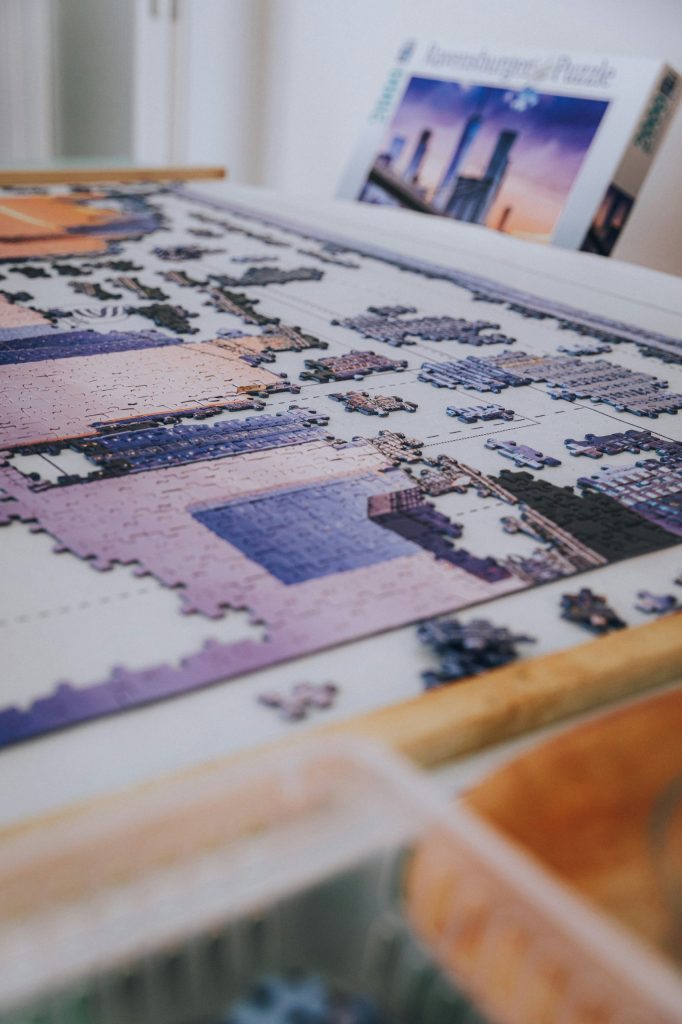
- Creativity Boost: Solving puzzles often requires thinking outside the box. For instance, when figuring out jigsaw puzzles, one must visualize how various pieces fit together, promoting a spatial awareness that is essential in creative endeavors—from painting to architectural design.
From Sudoku and crosswords to jigsaw puzzles and brain teasers, the variety available is astounding. Each format presents unique challenges that stimulate the brain in different ways. For instance, crossword puzzles can enhance vocabulary and comprehension skills by pushing solvers to think about synonyms and antonyms, while logic puzzles refine reasoning and deduction skills, enabling individuals to approach problems methodically.
The Link Between Play and Innovation
Research increasingly shows that play, including puzzle-solving, fosters innovation. Engaging in these mental exercises promotes flexibility in thought processes and enhances one’s ability to connect seemingly unrelated ideas. This is crucial in a climate where creative solutions are sought after, especially in fields such as technology, marketing, and design. For example, companies like Google have recognized the value of playful environments, incorporating puzzle-like challenges into team-building exercises to spur creativity.
Moreover, studies have indicated that regular engagement with puzzles can help delay cognitive decline in older adults, showing that these activities benefit individuals across age groups. The blend of fun and challenge makes puzzles an engaging way to keep the brain young and vibrant.
Explore how embracing puzzles can open doors to greater innovation and creativity. Whether you’re seeking to enhance your cognitive skills or simply looking for a fun way to unwind, incorporating puzzles into your routine may lead you down a new path of inspiration and mental clarity.
DISCOVER MORE: Click here to delve deeper
The Cognitive Mechanics of Puzzles
Puzzles do more than entertain; they weave a complex tapestry of cognitive mechanics that stimulate the brain’s natural propensity for creativity. By engaging with puzzles, individuals are not merely solving problems but also retraining their brains to approach obstacles with a fresh perspective. The mental gymnastics involved in tackling puzzles aid in reinforcing neural pathways that are crucial for innovative thinking. As our brains connect various dots during these mental challenges, we discover new pathways to creativity that seamlessly blend logic with imaginative thought.
Diverse Types of Puzzles and Their Impact
The world of puzzles is incredibly diverse, and understanding how different types influence creativity can inform how we integrate them into our daily lives. Here are some notable categories of puzzles and the unique cognitive benefits they provide:
- Logic Puzzles: These brain teasers require solvers to employ reasoning and deduction, training the mind to think critically. They encourage structured thought processes, essential for making informed decisions in any scenario.
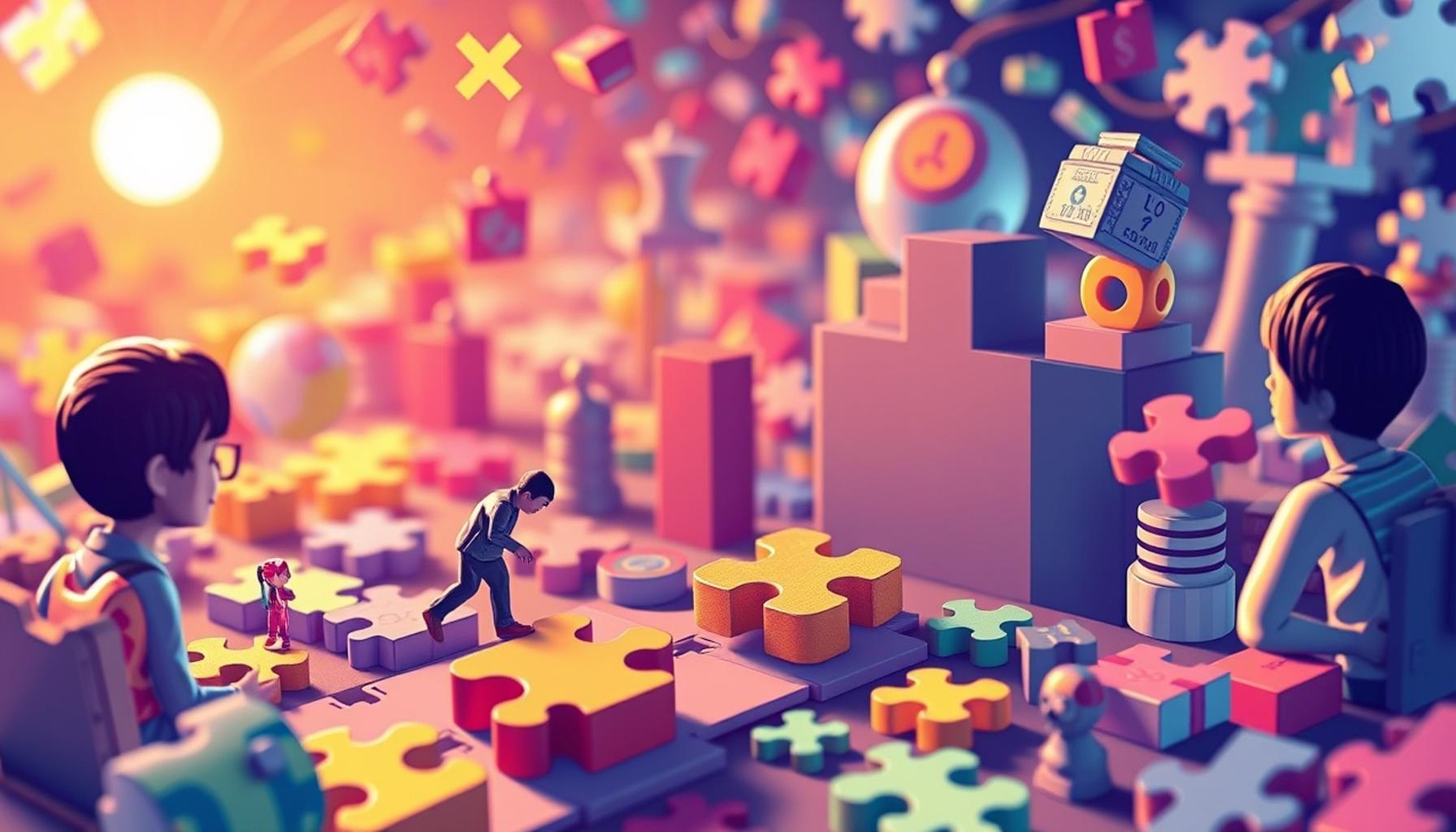
- Jigsaw Puzzles: Compiling these fragments into a cohesive whole enhances visual-spatial reasoning. This skill is invaluable in fields that require design thinking, such as product development and architecture.
- Mental Math Puzzles: Engaging in calculations and numeric challenges invigorates numerical literacy. This not only sharpens one’s arithmetic skills but also promotes strategic thinking when applying these skills to real-world problems.
- Word Puzzles: Crosswords and word searches help foster linguistic creativity by expanding vocabulary and improving phonetic awareness, which can result in better communication skills and enhance narrative thinking.
As diverse as these puzzle types are, they serve a common purpose: stimulating cognitive functions that are essential for creativity and innovation. For students and professionals alike, incorporating specific puzzles into daily routines can lay the groundwork for novel ideas and practical solutions. Engaging in these mental games encourages a shift in thinking that promotes an open-minded attitude, pushing individuals to explore various angles when faced with challenges.
Puzzles as Tools for Collaborative Innovation
In addition to individual cognitive benefits, puzzles have been recognized as excellent tools for collaborative innovation. Team-based puzzle activities can foster an environment of shared problem-solving, where diverse perspectives converge to generate unconventional solutions. Companies like IDEO use collaborative design challenges to break down barriers within teams, resulting in a spike in creative outputs. Additionally, by engaging in group puzzle-solving, employees might cultivate stronger interpersonal relationships and enhance communication skills, which are both vital for a thriving workplace culture.
The takeaway is clear: engaging with puzzles is not merely a quaint pastime; rather, they are invaluable instruments capable of unlocking greater levels of creativity and collaboration. As we delve deeper into how various puzzles shape our thinking, it becomes evident that these mental games can lead to significant advancements in both personal development and professional growth.
Puzzles and Creativity: Fostering Innovation through Mental Games
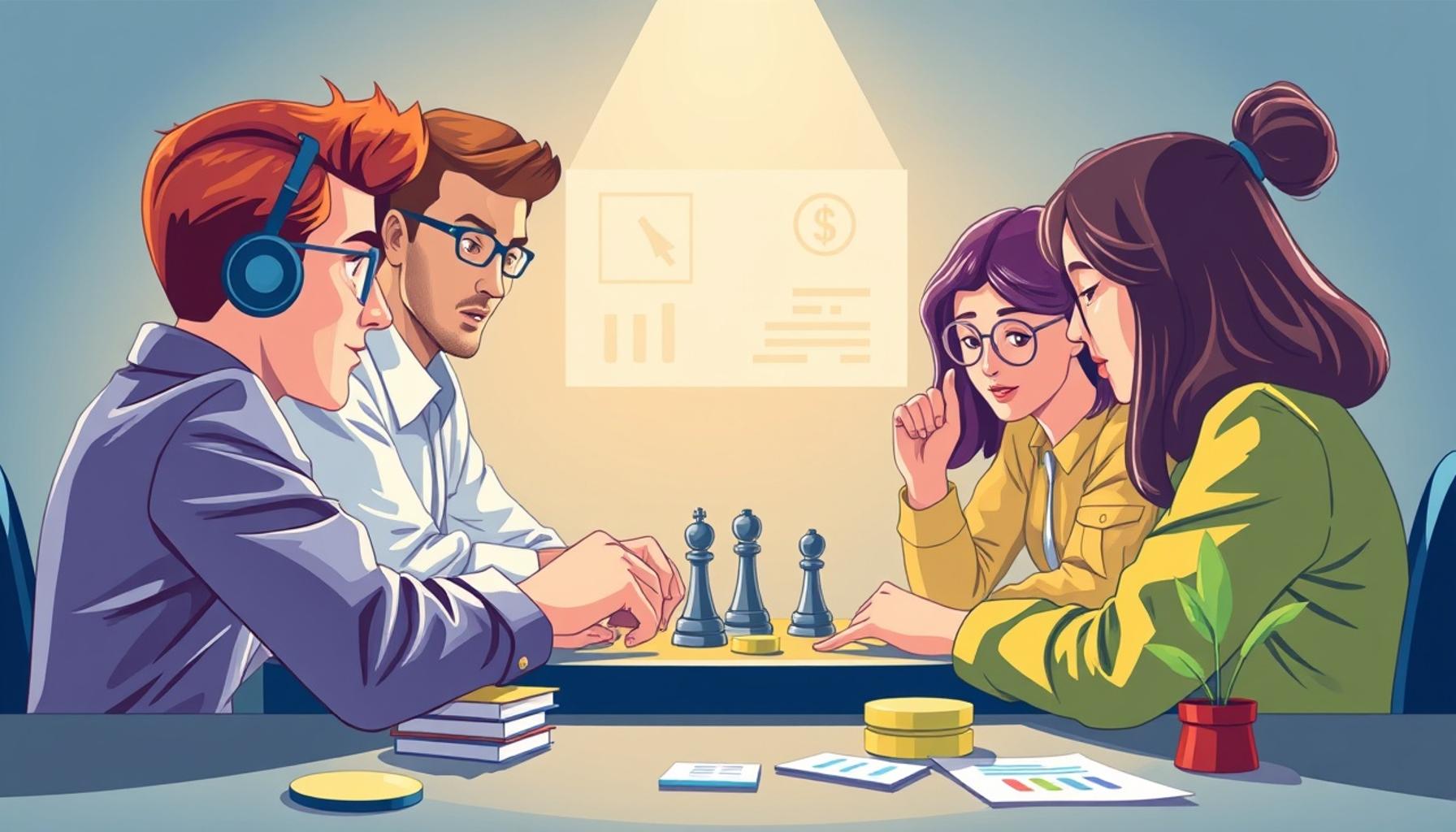
Mental games and puzzles are not just a source of entertainment; they serve as powerful tools in fostering creativity and innovation. Engaging in these brain-teasers can unlock new ways of thinking, encourage critical analysis, and promote cognitive flexibility. Research indicates that activities like solving crosswords, playing chess, and tackling logic puzzles enhance neuroplasticity, allowing for better problem-solving capabilities and creative thought processes.Furthermore, puzzles often come with multi-layered challenges that require players to view problems from various perspectives. This multifaceted approach not only improves strategic thinking but also encourages collaboration among players, leading to greater collective creativity. When teams engage in puzzle-solving, they learn to communicate effectively, share ideas, and blend their unique strengths, ultimately driving innovation within groups.In exploring this concept of puzzles and creativity, it is essential to recognize the variety of intelligence these games can stimulate. For instance, verbal puzzles enhance linguistic ability, while mathematical or logic-based puzzles sharpen analytical skills. By diversifying the types of puzzles one engages with, individuals can amplify their creative potential across multiple disciplines, making mental games an invaluable part of personal and professional development.
| Category | Advantages |
|---|---|
| Enhanced Critical Thinking | Puzzles challenge users to analyze and synthesize information, leading to improved decision-making skills. |
| Increased Creativity | Engagement in puzzles helps break traditional patterns of thinking, sparking new ideas and innovative solutions. |
Through consistent engagement with puzzles, individuals and teams can foster an environment rich in creativity and innovation, ultimately leading to breakthroughs in various fields. As the brain navigates the complexities of these games, the inherent synergies between different cognitive skills become clear, making puzzles an overlooked yet potent avenue for enhancing creativity.
EXPLORE MORE: Click here to enhance your memory and concentration
The Role of Puzzles in Enhancing Problem-Solving Skills
In a rapidly changing world, the ability to solve problems creatively is paramount. Puzzles play a crucial role in honing these skills, often nudging individuals to move beyond conventional thought patterns. Engaging with various puzzles not only ignites curiosity but also trains the brain to approach problems with a multifaceted outlook. This dynamic enhancement of problem-solving skills is particularly vital in professional environments where innovative solutions are needed.
Real-World Applications of Puzzle-Driven Innovation
Numerous industries have begun recognizing the value of puzzles as catalysts for innovation. For instance, tech companies frequently implement hackathons—competitions that involve brainstorming solutions to preset challenges under time constraints. Participants often apply logic puzzles and mathematical reasoning to forge new software or applications, effectively translating mental challenges into technological advancements. According to a study by the American Psychological Association, such activities not only bolster creativity but also enhance cognitive flexibility—essential for adapting to unexpected market shifts.
Moreover, educational institutions are increasingly incorporating puzzles into curricula as a means to foster critical thinking. By solving complex jigsaw puzzles or engaging in escape room challenges, students develop essential skills such as teamwork, strategic planning, and analytical reasoning. These attributes are highly prized in today’s job market. In fact, a report from the World Economic Forum identified critical thinking and problem-solving as top skills needed for the future workforce, underlining the relevance of incorporating puzzle-based learning.
The Psychological Benefits of Puzzle Engagement
Beyond enhancing cognitive abilities, working on puzzles contributes significantly to psychological well-being. Engaging in these mental games serves as a form of mindfulness, encouraging individuals to concentrate and immerse themselves in the task at hand. This focus diverts attention from life’s stresses, providing a therapeutic escape that can rejuvenate mental energy. In a study published in the Journal of Positive Psychology, researchers found that individuals who regularly engaged in puzzles reported increased feelings of happiness and satisfaction.
Furthermore, puzzles promote a growth mindset—a belief that abilities can develop through dedication and hard work. This mentality aligns perfectly with creative thinking, allowing individuals to embrace challenges rather than shrink from them. When faced with a nuanced puzzle, participants learn to appreciate the value of persistence—the very quality that leads to greater innovative capacity. For instance, renowned author Malcolm Gladwell highlights in his book *Outliers* the significance of ten thousand hours of practice in achieving mastery, a principle equally applicable to puzzle-solving.
The Digital Frontier: Online Puzzles and Interactive Solutions
The evolution of technology has birthed a new dimension of puzzle engagement—online platforms offering a plethora of brain teasers and interactive challenges. Websites and apps like Lumosity and Elevate present tailored puzzles that adapt to individual skill levels, emphasizing personalization in cognitive training. These digital avenues allow users to connect globally while enhancing their problem-solving capabilities. The gamification of puzzles not only captivates users but also fosters a community of learners striving for improvement, facilitating a collective pursuit of creativity and innovation.
As we delve further into the relationship between puzzles and creativity, it becomes increasingly clear that these mental exercises serve as powerful tools in both personal development and professional landscapes. From enhancing cognitive skills to providing therapeutic benefits, puzzles are the unsung heroes of the innovation process, and their impact extends well beyond the playroom.
DIVE DEEPER: Click here to discover the role of logical reasoning
Conclusion: The Transformative Power of Puzzles
In conclusion, *puzzles* serve as more than just recreational activities; they are essential instruments for enhancing creativity and fostering innovation across various dimensions of life. From the workplace to educational environments, engaging in mental challenges encourages individuals to think divergently, approach problems strategically, and cultivate essential skills. As outlined in earlier sections, the psychological benefits derived from puzzle engagement—such as improved mood, decreased stress, and the development of a growth mindset—are invaluable in today’s fast-paced world.
Moreover, as technology continues to advance, the digital transformation of puzzles provides opportunities for individuals to connect and collaborate globally, ultimately enhancing creativity on a larger scale. Interactive platforms not only offer accessible brain teasers tailored to individual capabilities but also create a vibrant community of problem solvers eager to innovate. As such, integrating puzzles into our daily routines is not merely a leisurely pursuit; it becomes a strategic approach to building cognitive resilience that can translate into real-world success.
Therefore, whether you are a professional seeking innovative solutions, an educator eager to develop critical thinkers, or an individual in search of a stimulating pastime, embracing puzzles can unlock new pathways to creativity. As we continue to navigate a complex world, it is evident that the simple act of solving a puzzle can be a profound catalyst for both personal and professional growth. In this light, fostering a culture that values mental games may pave the way for a more inventive future.
Related posts:
The Impact of Board Games on Group Problem-Solving Ability
The Art of Solving Puzzles: Strategies and Techniques of Critical Thinking
The Psychology of Strategy Games: How They Influence Decision Making
How Math Games Stimulate Critical Thinking in Children
Recreational Mathematics: Using Number Puzzles to Develop Analytical Skills
Digital Puzzles: How Technology Transforms Critical Thinking

Linda Carter is a writer and puzzle expert specializing in mind games, brain teasers, and cognitive challenges. With extensive experience helping individuals enhance their problem-solving skills and think critically, Linda shares her knowledge on our platform. Her goal is to empower readers with practical advice, engaging puzzles, and strategies to sharpen their minds and achieve success in the captivating world of mind games and puzzles.