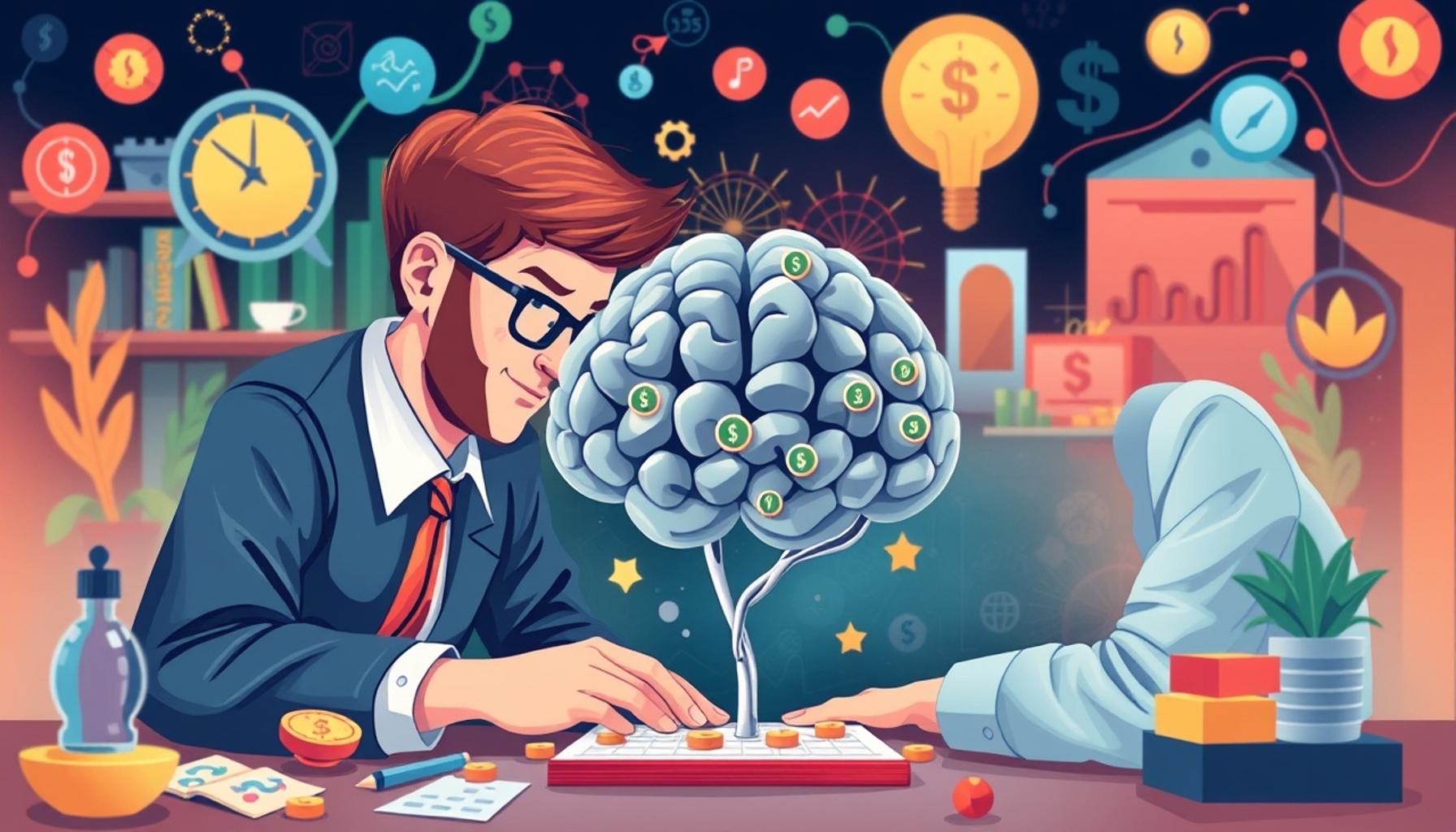
Problem-Solving Strategies in Competitive Puzzle Solving
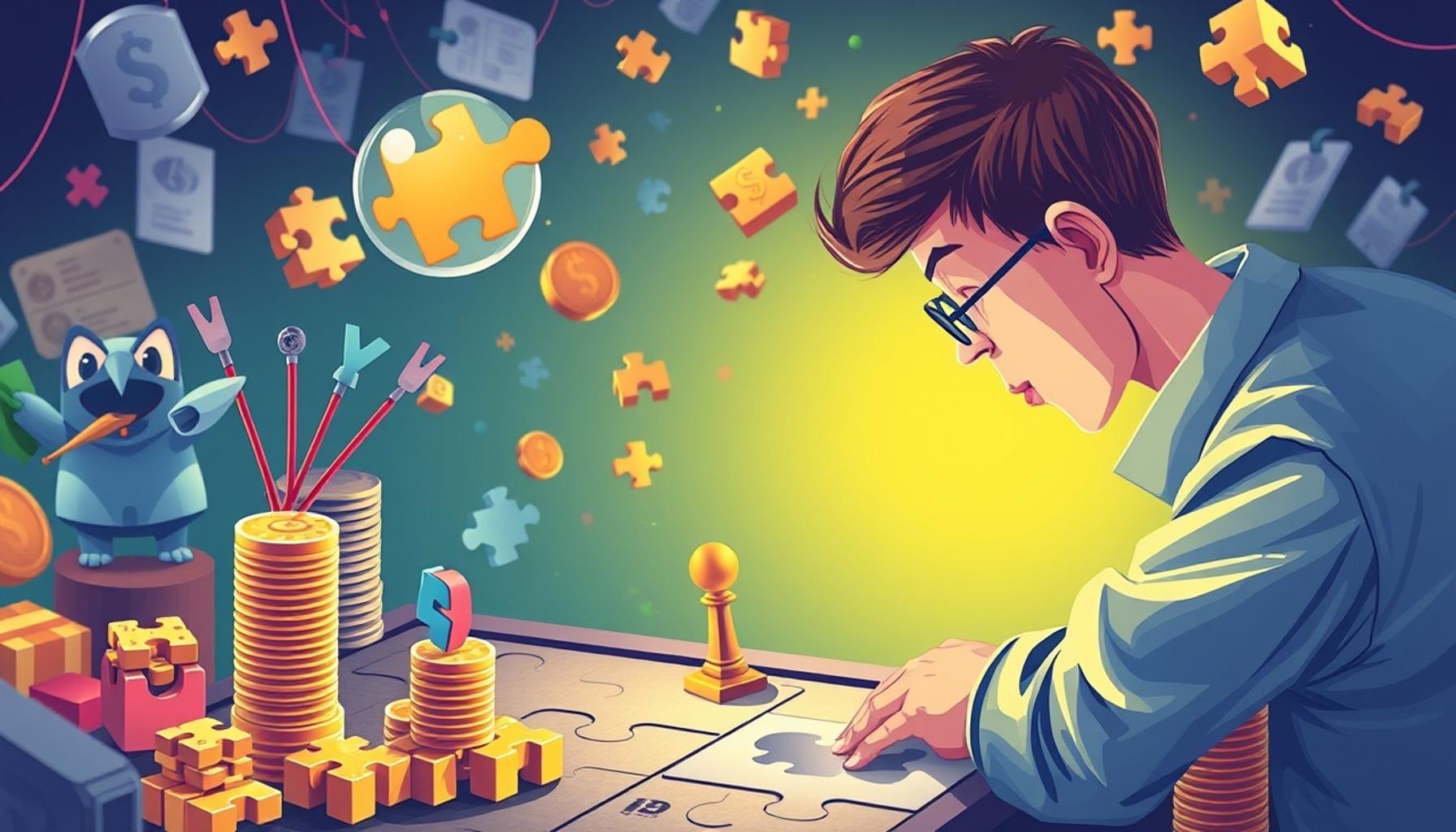
The Art of Puzzle Solving in Competitive Environments
In the exhilarating world of competitive puzzle solving, strong strategies can mean the difference between victory and defeat. As participants race against the clock, the relentless pursuit of honing their skills becomes vital. A seasoned puzzle solver knows that understanding and implementing effective problem-solving strategies is the key to success in challenging environments. Here are some key elements to consider that can significantly improve your performance.
- Analytical Thinking: One of the foundational aspects of puzzle solving is the ability to break down complex problems into manageable parts. For example, when faced with a challenging jigsaw puzzle, a solver may categorize pieces by color or edge type before making any connections. This methodical approach not only simplifies the task but also reduces the overwhelming feeling that can accompany larger puzzles.
- Pattern Recognition: Developing the ability to identify trends and similarities in puzzles is crucial. For instance, in crossword puzzles, experienced solvers often recognize common clues that appear across multiple puzzles, such as “a three-letter word for ‘feline.'” This skill allows them to solve more quickly and efficiently by leveraging prior knowledge.
- Time Management: Effective problem-solving requires the prioritization of tasks to ensure a smooth workflow. During competitions, successful solvers often allocate their time wisely, spending the majority of it on the most time-consuming parts of a puzzle. Using a strategy like the Pomodoro Technique—where one works for a set period, followed by a short break—can also enhance focus and maintain energy throughout the competition.
Each of these components plays a significant role in competitive puzzle solving. However, mastering them takes practice and an understanding of various cognitive approaches. For example, while some solvers excel in visual puzzles, thriving on their ability to see connections between image pieces, others may be adept at logic-based challenges, where deductive reasoning is paramount. This diversity in skills showcases the fascinating spectrum of puzzle-solving capabilities.
Through this article, we aim to illuminate various strategies essential for puzzle-solving success and offer insights into how they can be applied effectively in competitive settings. Whether you’re a seasoned veteran or a newcomer hopeful to make your mark, enhancing your puzzle-solving skills can unlock new levels of achievement. Prepare to explore innovative techniques that can elevate your game and provide you with that competitive edge that distinguishes a champion. With practice and dedication, the secrets of puzzle mastery are well within your reach.
DIVE DEEPER: Click here to uncover more about boosting your memory!
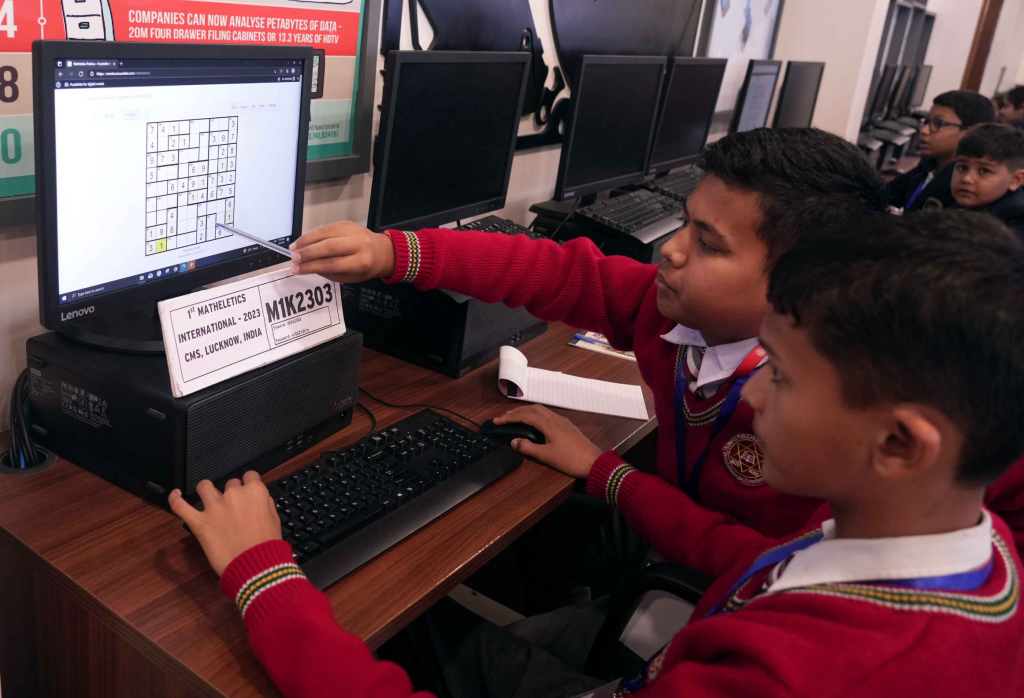
Essential Problem-Solving Strategies for Competitive Puzzle Solvers
In competitive puzzle solving, the pressure of the timer can often elevate a simple challenge into a formidable task. As solvers strive for excellence, utilizing a variety of problem-solving strategies becomes essential. By adopting these strategies, participants can navigate the complexities of puzzles more effectively and enhance their overall performance. Here are some pivotal approaches to consider:
- Divide and Conquer: One of the most effective techniques involves breaking the puzzle into smaller, more manageable segments. This strategy is particularly useful in solving large, intricate puzzles, such as Sudoku or crosswords. Solvers can focus on one section at a time, ensuring that each piece is correctly placed before moving onto the next. By creating a structured approach, solvers can reduce confusion and streamline their efforts.
- Visualization Techniques: The ability to visualize solutions is a game-changer in competitive puzzle solving. This might include mental mapping or the use of sketching to illustrate potential solutions. For instance, when faced with a Rubik’s Cube, imagining the steps needed to navigate from one color arrangement to the next can accelerate the solving process. Practicing visualization not only boosts spatial reasoning skills but also enhances a solver’s confidence and efficiency.
- Trial and Error Method: While this approach may seem simplistic, it can often yield surprisingly effective results in competitive environments. This strategy encourages solvers to make attempts, learn from mistakes, and adapt their tactics accordingly. During a timed competition, quickly testing hypotheses can lead to breakthroughs when black-and-white logic stalls. A prime example is in logic puzzles where the solver may take educated guesses to fill in possibilities and eventually eliminate unlikely options.
- Collaborative Solving: Engaging in collaborative environments—such as team puzzle competitions—allows solvers not only to share knowledge but also to tackle challenges from multiple perspectives. This collective brainstorming often unveils novel approaches that individuals alone may overlook. Moreover, observing others at work can help solvers refine their strategies and adopt new techniques, leading to a richer understanding of the puzzle-solving process.
Incorporating these strategies into regular practice can enhance one’s ability to perform under pressure. Aspiring champions in competitive puzzle solving should remember that the journey to mastery involves continual learning and adaptability. As puzzle-solving events often showcase not just individual talent but also teamwork and creativity, competitors must embrace an open-minded approach, ready to incorporate new knowledge and skills.
As you hone these problem-solving techniques, consider how they apply not only to various types of puzzles but also to your overall cognitive development. In mastering these strategies, you are not only improving your chances in competitions but also cultivating valuable skills for tackling real-world challenges. Next, we will delve deeper into the significance of mindset and psychological resilience in enhancing puzzle-solving abilities.
Understanding Problem-Solving Strategies
In the realm of competitive puzzle solving, effective problem-solving strategies are vital for achieving success. These techniques not only enhance a solver’s ability to tackle complex challenges but also foster critical thinking skills that are transferable to various aspects of life. Let’s delve into some of the most impactful strategies utilized in the competition scene.
| Category 1 | Category 2 |
|---|---|
| Critical Thinking | Enables solvers to analyze the structure of puzzles effectively. |
| Strategic Planning | Allows for the anticipation of challenges and formulation of concrete plans. |
Adopting these strategies changes how participants approach problems during competitions. For instance, critical thinking helps break down complex puzzles into manageable parts, which significantly boosts performance under pressure. Similarly, engaging in strategic planning facilitates foresight, allowing solvers to consider potential pitfalls ahead of time. These methods resonate beyond puzzle-solving, making them essential skills for anyone looking to enhance their cognitive abilities.
Moreover, the integration of these strategies into daily practice can refine one’s overall problem-solving skills. Participants often report that frequent engagement with puzzles sharpens their mental agility, leading to better performance in various cognitive tasks. This multifaceted benefit underscores the profound impact of structured approaches in competitive scenarios, encouraging solvers to pursue greater challenges with confidence.
Dive deeper: Click here to learn more
The Role of Mindset and Psychological Resilience in Puzzle Solving
As competitive puzzle solving evolves, it’s becoming increasingly clear that embracing a robust mindset and fostering psychological resilience are fundamental components of success in this demanding arena. These elements not only complement technical abilities but also amplify one’s overall problem-solving strategies. In this section, we explore how adopting the right mentality can enhance performance and provide you with a competitive edge.
- Growth Mindset: A growth mindset, as defined by renowned psychologist Carol Dweck, refers to the belief that skills and intelligence can be developed over time through dedication and hard work. For competitive puzzle solvers, framing each challenge as an opportunity to learn and grow can significantly bolster their performance. By viewing setbacks not as failures but rather as stepping stones to success, solvers can maintain motivation and persistence, necessary traits for overcoming challenging tasks.
- Focus and Concentration Techniques: The ability to concentrate is paramount in a competitive setting where distractions abound. Techniques such as mindfulness meditation can help solvers enhance their focus, deepen their engagement with the puzzle, and reduce anxiety. Additionally, short bursts of focused practice, known as the Pomodoro Technique, can aid in maintaining high concentration levels while avoiding mental fatigue. Establishing a strong focus enables solvers to dissect puzzles more effectively, leading to quicker resolutions.
- Emotional Regulation: Engaging in competitive environments often brings stress and anxiety, particularly as the clock winds down. Emotional regulation is crucial in maintaining clarity and making rational decisions during these high-pressure moments. Ironically, some solvers find that embracing their nervousness and using it to boost motivation can lead to sharper focus and improved performance. Techniques such as deep breathing exercises or positive self-talk can aid in managing stress and fostering a calm demeanor, allowing solvers to think more clearly while working through intricate puzzles.
- Resilience in the Face of Adversity: Resilience refers to the ability to bounce back from difficulties. In the world of competitive puzzle solving, moments of frustration are inevitable, especially when facing particularly arduous challenges. Developing resilience involves cultivating the skill to push through these tough instances rather than succumbing to discouragement. Solvers can further enhance their resilience by reflecting on past experiences, learning from their decisions, and applying that knowledge to future endeavors. The ability to adapt and persist becomes a strategic advantage as it allows solvers to navigate complex puzzles without losing momentum.
Leveraging psychological aspects alongside traditional problem-solving strategies can significantly increase the efficacy of competitive puzzle-solving tactics. As solvers work to enhance their mental fortitude, they become better equipped to handle the pressures of competition while maximizing their abilities. The intersection of skill development and psychological resilience not only prepares solvers for immediate challenges but also fosters growth that extends beyond the realm of puzzles. In the next segment, we will explore advanced methodologies that competitive solvers employ to push past their limits and attain new heights of performance.
DIVE DEEPER: Click here to learn more
Conclusion: Enhancing Problem-Solving Through Strategic Approaches
In the landscape of competitive puzzle solving, effective problem-solving strategies are pivotal for success. We’ve explored the multifaceted approaches that enable solvers to not only enhance their technical skills but also to cultivate the psychological resilience and mental fortitude necessary for high-stakes environments. The integration of a growth mindset allows puzzle solvers to leverage challenges as learning opportunities, while techniques aimed at improving focus and concentration ensure that distractions do not undermine performance.
Moreover, mastering emotional regulation plays a critical role in navigating the pressures of competition. By harnessing stress positively and employing strategies such as mindfulness, solvers can maintain clarity in decision-making during critical moments. The cultivation of resilience further empowers solvers to withstand setbacks, fostering a tenacity that is essential when faced with complex puzzles.
Ultimately, the intersection of psychological components with traditional problem-solving methods equips competitors with a holistic toolkit for success. As participants in this exhilarating arena continue to refine their strategies, they not only elevate their individual performances but also contribute to the ever-evolving narrative of competitive puzzle solving. For aspiring solvers and seasoned veterans alike, embracing these techniques can uncover new pathways to excellence. The journey through puzzles is not just about the solutions themselves but also about the enduring growth and insight gained along the way.
As we move forward, the exploration of advanced methodologies and emerging trends in puzzle solving will inspire new strategies and innovations. Recognizing the importance of both mental and technical prowess ensures that puzzle solvers can thrive in an increasingly challenging competitive field, paving the way for future success and achievements.
Related posts:
The Impact of Board Games on Group Problem-Solving Ability
The Benefits of Word Games in Improving Logic and Reasoning
The Role of Collaborative Mind Games in Developing Team Problem-Solving Skills
The Psychology of Strategy Games: How They Influence Decision Making
Escape Games: Learning to Collaborate and Solve Problems Under Pressure
Developing Social Skills through Card Games and Cooperative Puzzles

Linda Carter is a writer and puzzle expert specializing in mind games, brain teasers, and cognitive challenges. With extensive experience helping individuals enhance their problem-solving skills and think critically, Linda shares her knowledge on our platform. Her goal is to empower readers with practical advice, engaging puzzles, and strategies to sharpen their minds and achieve success in the captivating world of mind games and puzzles.