
Unlock Efficiency and Focus in Your Daily Routine
In the frenetic pace of modern life, the pressure to be productive can feel overwhelming. With countless interruptions—from notifications on our phones to the distractions of social media—many individuals find it increasingly difficult to maintain focus and achieve their goals. One effective method that has gained traction is the Pomodoro Technique. By employing this innovative time management approach, individuals can significantly improve their productivity levels and create a more harmonious work-life balance.
Understanding the Pomodoro Technique
The Pomodoro Technique was conceived by Francesco Cirillo in the late 1980s. Its core philosophy revolves around breaking work into manageable intervals, thus boosting concentration and preventing burnout. The method operates on a straightforward framework:
- Time Blocks: Tasks are partitioned into 25-minute earnest work sessions, referred to as “Pomodoros.”
- Short Breaks: After completing each Pomodoro, individuals take a brief 5-minute break, allowing the mind to relax and recharge.
- Long Breaks: Once four Pomodoros have been finished, a more substantial break of 15-30 minutes is encouraged, giving a longer opportunity for rejuvenation.
This method not only optimizes an individual’s focus but also mitigates mental fatigue, with studies illustrating that people often experience enhanced efficiency when working in these structured intervals.
The Advantages of Implementing the Pomodoro Technique
Incorporating the Pomodoro Technique into your daily routine yields a plethora of benefits, particularly for those juggling multiple tasks or responsibilities. Here are several compelling reasons to delve into this technique:
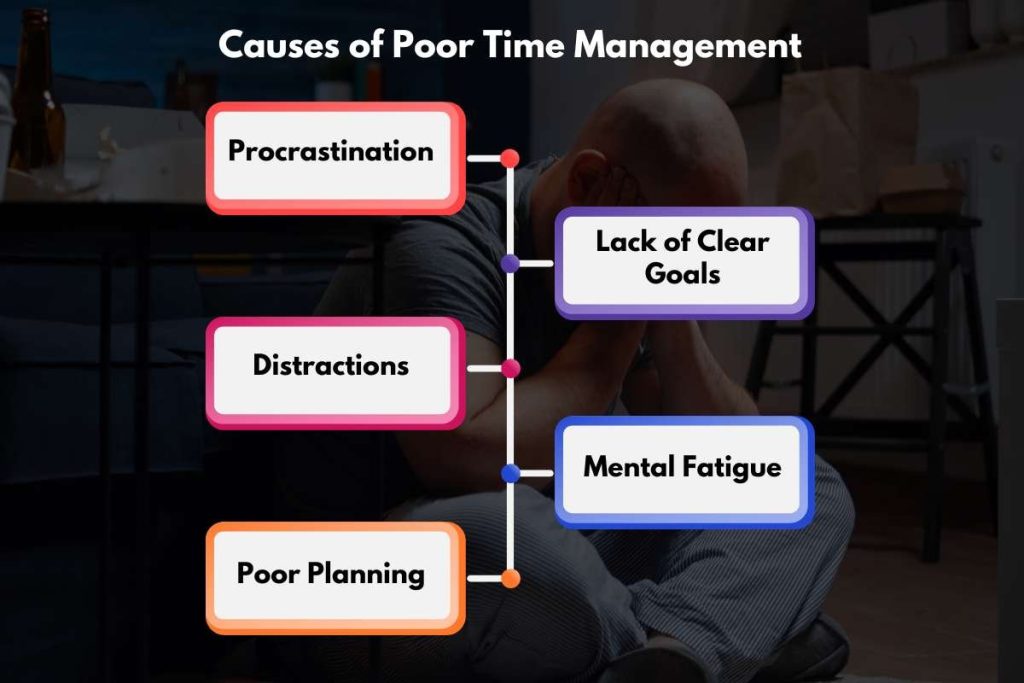
- Enhanced Focus: The brief, concentrated work periods ardently foster heightened attention levels, which can be particularly beneficial in environments filled with distractions, such as open offices or busy homes.
- Better Time Awareness: Regularly scheduled breaks keep monotony at bay and serve to reinvigorate energy levels, making it easier to maintain a steady workflow throughout the day.
- Customization: The technique is flexible, allowing individuals to tailor the duration of work and breaks to align with their unique productivity patterns and preferences.
If you’re pondering how to seamlessly integrate this technique into your routine, consider starting small. Perhaps set a timer for 25 minutes to tackle a project, followed by a 5-minute distraction-free break. Over time, you may find that you’ve not only improved your efficiency but also redefined your relationship with work.
By embracing the Pomodoro Technique, the journey to mastering time management becomes a more achievable and pleasant endeavor, opening doors to newfound productivity and satisfaction in work and daily life.
DISCOVER MORE: Click here to learn how
Harnessing the Power of Time Segmentation
The Pomodoro Technique stands out as a compelling method for those looking to enhance their productivity through structured time management. At its essence lies a fundamental truth: breaking work into smaller, focused intervals can lead to greater output and satisfaction. By utilizing time segmentation, individuals can tap into their innate ability to concentrate while simultaneously alleviating the mental strain that often accompanies prolonged working sessions.
How Time Blocks Boost Concentration
Research has consistently shown that our brains function optimally within specific time frames. The Pomodoro Technique capitalizes on this understanding by dividing work into 25-minute intervals, or “Pomodoros.” During these chunks of time, the goal is singular—it is about complete focus on the task at hand. When the mind knows that a short break awaits, it can engage more fully in the work, reducing the tendency to procrastinate or feel overwhelmed. This focus-driven approach is particularly beneficial in today’s fast-paced work environments, whether in corporate offices, home workplaces, or academic settings.
Working against the clock may seem daunting initially, but the psychological impacts of time constraints can foster a sense of urgency that many find motivating. After utilizing several Pomodoros, individuals often report experiencing:
- Increased Motivation: The countdown timer creates an exhilarating pressure to maximize productivity, transforming a simple task into a race against time.
- Achievable Goals: Due to the manageable nature of 25-minute tasks, complex projects feel less intimidating, making it easier to start and maintain momentum.
- Positive Reinforcement: Each completed Pomodoro offers a sense of accomplishment, which serves as a motivational boost for subsequent tasks.
The Role of Breaks in Enhancing Productivity
What sets the Pomodoro Technique apart from traditional work methods is its emphasis on breaks. Following each Pomodoro, a 5-minute break allows the brain to decompress, thereby preventing burnout and enhancing overall productivity. During this downtime, individuals can engage in activities that promote relaxation and rejuvenation, such as:
- Stretching or light exercise to keep the body active.
- Mindfulness or deep-breathing exercises to reduce stress.
- Hydrating or having healthy snacks to fuel the body.
These short breaks are crucial, as they not only refresh concentration but also allow the mind to sift through information and solidify understanding. Over time, you may discover that taking these intentional pauses significantly boosts your mental clarity and creativity when tackling tasks, leading to higher-quality work output.
As we delve deeper into the Pomodoro Technique, it becomes evident that productivity isn’t solely about working harder; it’s about working smarter. By embracing this robust time management method, you can redefine your relationship with work, achieve goals more efficiently, and ultimately find greater enjoyment in your daily tasks.
| Advantages | Details |
|---|---|
| Enhanced Focus | The Pomodoro Technique encourages single-task focus, minimizing distractions and boosting concentration levels during work intervals. |
| Reduced Burnout | By incorporating short breaks, the method helps prevent mental fatigue and maintains sustained productivity over longer periods. |
The Pomodoro Technique not only promotes enhanced focus but also provides a structured way to manage time efficiently. Implementing this method allows individuals to break their work into manageable intervals, typically lasting 25 minutes. Each interval is referred to as a “Pomodoro,” followed by a short break of approximately five minutes. After completing four Pomodoros, individuals are encouraged to take a longer break, generally lasting 15-30 minutes. This cyclical approach encourages a balanced workflow while ensuring that mental and physical resources are managed effectively. Investing time into a streamlined work strategy like this can prove to be beneficial for anyone looking to improve their productivity through time management techniques. The method emphasizes not only the importance of working in focused bursts but also the necessity of allowing time for rest. This integrated approach sparks not only task completion but also thoughtful refocusing, which is vital in today’s fast-paced work environments.
DISCOVER MORE: Click here to learn how to prioritize effectively
The Science Behind the Pomodoro Technique
To truly appreciate the merits of the Pomodoro Technique, it’s essential to explore the underlying science that supports its effectiveness. Various studies in cognitive psychology suggest that optimal focus and productivity occur during specific time intervals, illuminating why the 25-minute work cycle is so impactful.
Neuroscience Insights into Work Intervals
Our brains naturally experience cycles of focus and fatigue, commonly referred to as ultradian rhythms, which typically span 90 to 120 minutes. The Pomodoro Technique channels a vital aspect of this natural rhythm by encouraging productivity in shorter bursts. Research by the American Psychological Association emphasizes that brief work intervals followed by rest can maximize cognitive performance. By adhering to the Pomodoro structure, individuals can align their efforts with these biological patterns, leading to improved concentration and clearer thinking.
Managing Distractions Effectively
In an era defined by digital distractions—social media, emails, constant notifications—the Pomodoro Technique serves as a powerful tool to counteract potential interruptions. During each Pomodoro, the goal is to maintain absolute focus on a single task. This commitment not only enhances productivity but also trains the brain to better resist distractions over time. Studies indicate that each time we shift our focus to a new task—often referred to as context switching—we lose valuable minutes as our brains reorient. By dedicating uninterrupted time to important tasks, the Pomodoro Technique effectively minimizes these losses, fostering greater efficiency and tranquility in one’s workflow.
Cultivating a Sustainable Work Habit
Transitioning to the Pomodoro Technique can lead to the development of healthier work habits. The structured time management approach encourages individuals to re-evaluate how they allocate their time throughout the day. By establishing a routine wherein every Pomodoro is followed by a short break, workers naturally understand the necessity of pacing themselves. This balance can assist in avoiding burnout, a common hazard in today’s work culture, particularly among high achievers. Furthermore, as individuals become accustomed to the Pomodoro framework, it often sparks a shift in mindset. Instead of viewing work as a daunting, endless task, they begin to perceive it as a series of manageable and achievable challenges.
Real-World Implementation Examples
Many professionals and students across the United States have begun implementing the Pomodoro Technique into their daily routines with remarkable success. For instance, software developers frequently rely on this method; it not only helps in concentrating on code but also facilitates collaborative work during team meetings. Similarly, students have found that employing the Pomodoro Technique while studying enhances retention and understanding. In one case, a graduate student juggling multiple responsibilities expanded her writing productivity by incorporating Pomodoros, allowing her to meet deadlines while maintaining her mental well-being.
Incorporating the Pomodoro Technique often leads to personalized adaptations. Users might opt for longer Pomodoros or longer breaks depending on their preferences, creating a unique schedule that fits personal workflows. This adaptability showcases the technique’s applicability across various disciplines, from corporate environments to creative projects, making it a universally beneficial strategy for boosting productivity and fostering better time management.
DISCOVER MORE: Click here to learn about the Pomodoro Technique
Effective Time Management in Today’s World
In the realm of productivity, the Pomodoro Technique stands out as a transformative approach to managing time effectively. This method, developed by Francesco Cirillo in the late 1980s, takes advantage of our natural cognitive cycles. By harnessing short, focused bursts of work followed by brief breaks, individuals are encouraged to concentrate deeply while minimizing distractions. The power of the Pomodoro Technique lies not only in its structure but also in its foundation on ultradian rhythms—biological cycles that dictate optimal performance levels during specific times of the day. This means that workers can achieve maximum productivity without succumbing to fatigue or burnout.
What makes the Pomodoro Technique particularly relevant today is its adaptability across various fields. For instance, in the technology sector, software developers often face prolonged hours of coding, leading to mental fatigue. By applying this principle, they can break down their work into manageable 25-minute intervals, known as “Pomodoros,” followed by 5-minute breaks, which in turn enhances focus and efficiency. Similarly, educators have found success in classrooms where students utilize Pomodoros to tackle assignments, resulting in improved engagement and accomplishment.
As remote work becomes more prevalent, the challenge of digital distractions is ever-present. The Pomodoro Technique serves as a timely remedy, structuring the workday in a way that allows individuals to navigate the chaos of online notifications and social media temptations. Users can customize the technique; some may choose to extend their intervals, while others might incorporate longer breaks to suit their personal workflows. This flexibility fosters a sense of autonomy and can transform mundane or daunting tasks into easily reachable objectives.
Beyond the immediate benefits of enhanced focus and productivity, the Pomodoro Technique encourages a broader reevaluation of how we perceive work and time. Rather than equating longer hours with greater output, this method promotes the notion that strategic focus and intentional breaks can lead to better results. It invites users to continually assess their work habits and find a rhythm that enhances both efficiency and well-being.
For those seeking a sustainable approach to their professional lives, exploring the depths of the Pomodoro Technique might unlock valuable insights. It can lead to a more engaging and fulfilling work experience, allowing individuals to strike the vital balance between productivity and personal wellness. As the conversation around work-life balance evolves, embracing techniques like this could shape the future of how we approach our tasks—making every Pomodoro count.

Linda Carter is a writer and productivity and personal organization specialist focused on helping readers build better routines, manage their time, and stay on top of daily priorities. With experience covering practical planning methods, habit-building strategies, and tools for organization, Linda shares actionable guidance on our platform. Her goal is to empower readers with clear, realistic tips to work smarter, reduce overwhelm, and stay consistent over time.