
Logical Reasoning and its Influence on Everyday Problem Solving through Puzzles

Unlocking the Power of Logical Reasoning
In our fast-paced world, the ability to solve problems effectively is more crucial than ever. Logical reasoning serves as a foundation for decision-making, allowing individuals to navigate the complexities of everyday challenges. One intriguing medium through which we can hone this skill is puzzles.
Puzzles have captivated minds for centuries, providing not just entertainment but also a means to sharpen our cognitive abilities. From ancient riddles inscribed on clay tablets to the Sudoku craze of today, engaging with puzzles can lead to enhanced logical thinking in various ways.
For instance, consider the way puzzles improve critical thinking. By requiring an analytical approach, puzzles encourage a deeper evaluation of information. When faced with a complex jigsaw puzzle, one must assess colors, shapes, and spatial relationships, enhancing one’s ability to break down tough problems into manageable parts.
Beyond merely enhancing analytical skills, puzzles also serve to boost creativity. When solving a crossword or a logic grid puzzle, participants often need to think outside the box to find connections between seemingly unrelated clues. This blend of critical and creative thinking can lead to innovative solutions that might apply to other areas of life, such as brainstorming new marketing strategies in a professional setting or devising clever gift ideas for loved ones.
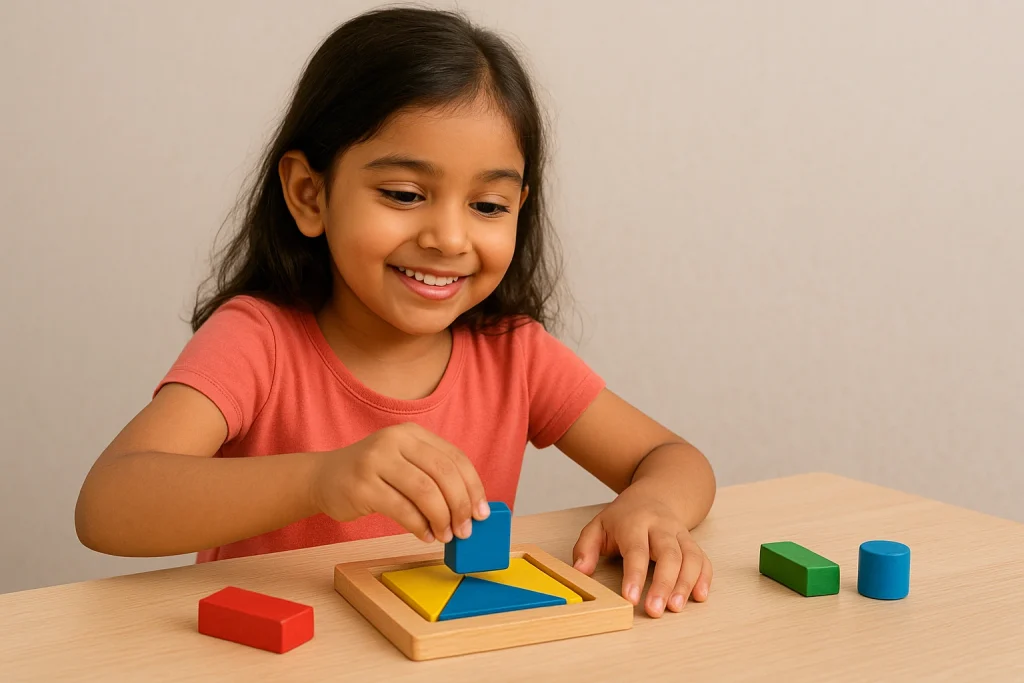
Moreover, tackling difficult puzzles fosters perseverance. The satisfaction derived from finally solving a challenging puzzle reinforces the importance of persistence when faced with obstacles. This tenacity can be especially beneficial in high-stakes environments like workplaces, where problem-solving skills can lead to significant advantages.
Research supports the idea that individuals who regularly engage in logical puzzles demonstrate superior problem-solving skills in real-world scenarios. For example, being adept at logical reasoning can greatly enhance decision-making efficiency in professional environments. Whether it’s leading a team through a project or navigating complex negotiations, these skills are invaluable.
Logical reasoning also plays a vital role in everyday life. Simple activities such as planning a route for a family road trip or budgeting groceries can become much simpler and more efficient when one possesses sharpened logical skills. This ability allows individuals to anticipate potential challenges and navigate them successfully, ultimately improving their overall quality of life.
As we delve into the intricate relationship between logical reasoning and problem-solving through puzzles, prepare to uncover how these seemingly simple activities can transform your everyday life for the better. Engaging with puzzles not only promises hours of fun but also sets the stage for personal growth and skill enhancement that transcends the puzzle itself.
DISCOVER MORE: Click here to learn how memory games boost your recall
The Intersection of Puzzles and Problem-Solving
Puzzles are not merely recreational distractions; they serve as powerful tools for enhancing our logical reasoning skills, which in turn can significantly influence our everyday problem-solving capabilities. Consider for a moment the plethora of puzzle types available today. From brain teasers to crosswords and riddles, each form of puzzle engages the mind in unique ways, prompting players to think critically and creatively.
One enlightening way puzzles foster logical reasoning is through structured challenges, often requiring a step-by-step approach to arrive at the solution. For example, logic puzzles—which present deductive problems—push individuals to employ analytical thinking as they decipher clues, eliminate possibilities, and arrive at a logical conclusion. These techniques mirror the foundational processes involved in real-life problem-solving scenarios.
- Analysis: Individuals split complex problems into manageable components.
- Deduction: Players often must eliminate unlikely scenarios to narrow right answers.
- Strategy Development: Crafting a plan to approach the problem helps facilitate effective solutions.
Such systematic strategies gained through puzzle-solving can create a mental toolkit applicable to everyday situations. For instance, a person may face the common dilemma of obtaining a good deal on groceries. With sharpened logical reasoning skills, they can better evaluate offers, make comparisons, and identify potential pitfalls while budgeting. Understanding which products provide the best value becomes an intuitive process, one that can elevate financial decision-making.
Moreover, the analytical skills developed through puzzle engagement flow seamlessly into the workplace. Research from educational institutions has indicated that individuals regularly exercising logical reasoning through puzzles often excel in working environments that demand innovation, creative solutions, and critical analysis. Companies value employees who can approach problems with a structured mindset—crafting solutions that not only address immediate concerns but also anticipate future challenges.
Additionally, the social dimension of puzzle-solving cannot be overlooked. Collaborative puzzles, such as team escape rooms or multiplayer logic games, encourage cooperative skills. They foster communication and teamwork, enabling individuals to merge different perspectives and insights into a singular coherent strategy. This interactivity embodies real-world professional dynamics, where collaboration often yields the most robust solutions.
As we uncover the multifaceted relationship between logical reasoning and problem-solving through puzzles, we appreciate how these engaging activities do more than entertain; they cultivate the essential skills that prepare us for the complexities of modern life. Puzzles act as rehearsal grounds, where our minds can simulate real-life dilemmas, developing the prowess needed to tackle them effectively when faced in reality.
| Category | Description |
|---|---|
| Enhanced Cognitive Skills | Engaging with puzzles boosts memory, attention to detail, and critical thinking. |
| Real-World Application | Logical reasoning skills are applied to analyze situations and make decisions in daily life. |
Logical reasoning is pivotal in enhancing our everyday decision-making processes. The ability to solve puzzles not only entertains but also fortifies our problem-solving capabilities. By tackling logical challenges, individuals nurture their cognitive functions, leading to greater mental agility.Research suggests that those who regularly engage in puzzles exhibit improved memory retention and can process information more efficiently. Moreover, the skills honed through puzzles directly correlate to practical situations. For instance, solving a complex crossword can enhance one’s ability to formulate strategies for tasks such as planning a project or resolving workplace conflicts.Additionally, embracing various forms of puzzles, such as Sudoku or logic grid dilemmas, fosters creativity, encouraging out-of-the-box thinking. Overall, the application of logical reasoning extends beyond mere entertainment; it equips individuals with tools necessary for navigating life’s challenges effectively, making it a valuable skill.
DIVE DEEPER: Click here to discover the benefits of jigsaw puzzles
Cognitive Benefits of Engaging with Puzzles
Beyond the direct engagement of logical reasoning, puzzles offer a multitude of cognitive benefits that enhance problem-solving prowess. Numerous psychological studies have suggested that routine engagement in puzzle-solving activities improves various cognitive functions, such as memory, attention, and processing speed. These faculties are integral to efficient problem-solving in both personal and professional realms.
For instance, consider the puzzle of Sudoku, a captivating number-placement game that requires both logic and concentration. Engaging in Sudoku regularly not only sharpens logical reasoning but also bolsters working memory. As individuals attempt to remember potential numbers for each box while adhering to the game’s rules, they cultivate a stronger memory capacity. This improvement can translate into everyday scenarios, such as remembering important dates, grocery lists, or even complex project deadlines at work. Enhanced memory aids individuals in contextualizing problems and recognizing patterns more effectively, which is a central component of logical reasoning.
- Memory Improvement: Keeping track of possibilities in puzzles enhances the ability to recall important information in real-life situations.
- Increased Attention Span: Regular engagement in puzzles fosters sustained concentration, allowing for deeper consideration of problems.
- Enhanced Processing Speed: Solving puzzles quickly often translates to improved decision-making skills in everyday activities.
Moreover, continually wrestling with intricate puzzles leads to the development of resilience and perseverance—traits essential for problem-solving. Complex challenges often require multiple attempts and the willingness to rethink strategies. One might find themselves struggling with an especially challenging crossword or a deceptively simple brain teaser, only to unlock the solution after a few moments of contemplation. This experience harbors valuable lessons in persistence, equipping individuals with the grit needed to address obstacles in their everyday lives.
In addition to these cognitive benefits, social and emotional intelligence can also flourish through puzzle-solving. Engaging with friends or family in puzzle-related activities nurtures patience and empathy, facilitating communication crucial in resolving conflicts. Collaborative challenges, such as jigsaw puzzles or logic-based escape rooms, compel individuals to listen to one another’s ideas and suggestions, furthering their ability to approach problems with a multi-faceted perspective. As social dynamics shift in various aspects of life, these interpersonal skills become increasingly invaluable.
Interestingly, researchers have noted the potential for puzzles to act as stress-relievers, inadvertently making them a tool for enhancing logical reasoning. When faced with stress, cognitive overload occurs, hindering problem-solving abilities. By immersing oneself in the structured world of puzzles, individuals may find a form of meditation—an opportunity to reset their minds. This relaxation technique not only opens up space for clearer thinking but can facilitate better decision-making when tackling real-world issues.
The connection between logical reasoning and puzzle-solving reveals a broad spectrum of cognitive and emotional benefits, which in turn influence our everyday problem-solving skills. As individuals engage more deeply with various puzzle types, they build a foundation that supports not just intellectual growth but also practical, applicable skills that enhance the quality of life. Such growth is a compelling argument in favor of regularly incorporating puzzles into our routines.
DISCOVER MORE: Click here to learn about the impact of age on mental agility
Conclusion
In summary, the intricate relationship between logical reasoning and engaging with puzzles emerges as a powerful tool for enhancing everyday problem-solving skills. As highlighted throughout this exploration, puzzles do not merely serve as a source of entertainment; they play a pivotal role in cultivating cognitive abilities that are essential for navigating the complexities of life. From boosting memory retention to fostering resilience, the practice of solving puzzles equips individuals with a versatile toolkit that goes beyond the confines of a game.
The active engagement in puzzles sharpens not only our analytical capabilities but also nurtures emotional intelligence, fostering patience and collaborative skills through shared experiences. Whether it is a solitary challenge that promotes internal reflection or a group endeavor that enhances communication, puzzles encapsulate lessons in both individual growth and social dynamics. As more individuals recognize these benefits, the act of solving a simple crossword or participating in a group jigsaw can evolve into an enriching lifelong habit.
Moreover, incorporating puzzles into one’s routine is not merely a whimsical pastime; it can serve as a mindful practice, offering stress-relief and mental clarity. This mental reset is crucial in today’s fast-paced world, where cognitive overload can impair decision-making. As we embrace puzzles in our lives, we open ourselves to a new perspective on problem-solving, blending logical reasoning with creative thinking. Ultimately, the evidence supports that regular engagement in puzzle-solving is not only beneficial but essential for fostering an adaptable, capable mindset that thrives amid everyday challenges.
Related posts:
How Logic Games Can Enhance Emotional Intelligence and Resilience
The Role of Logical Reasoning in Mathematical Puzzles and its Practical Application
How Logical Puzzles Can Enrich Learning in Children
The Importance of Logical Reasoning in Solving Puzzles
Developing Logical Reasoning Skills Through Board Games
The Role of Logic in Escape Games: Unraveling Mysteries and Challenges

Linda Carter is a writer and puzzle expert specializing in mind games, brain teasers, and cognitive challenges. With extensive experience helping individuals enhance their problem-solving skills and think critically, Linda shares her knowledge on our platform. Her goal is to empower readers with practical advice, engaging puzzles, and strategies to sharpen their minds and achieve success in the captivating world of mind games and puzzles.