
Maximizing Your Time Management Skills
In today’s fast-paced world, managing time effectively is crucial. With endless tasks vying for your attention, how can you discern what truly matters? This is where the Eisenhower Matrix comes into play, a strategic tool that aids in prioritizing tasks based on their urgency and importance. By employing this matrix, individuals can streamline their workload, sharpen focus, and enhance overall productivity.
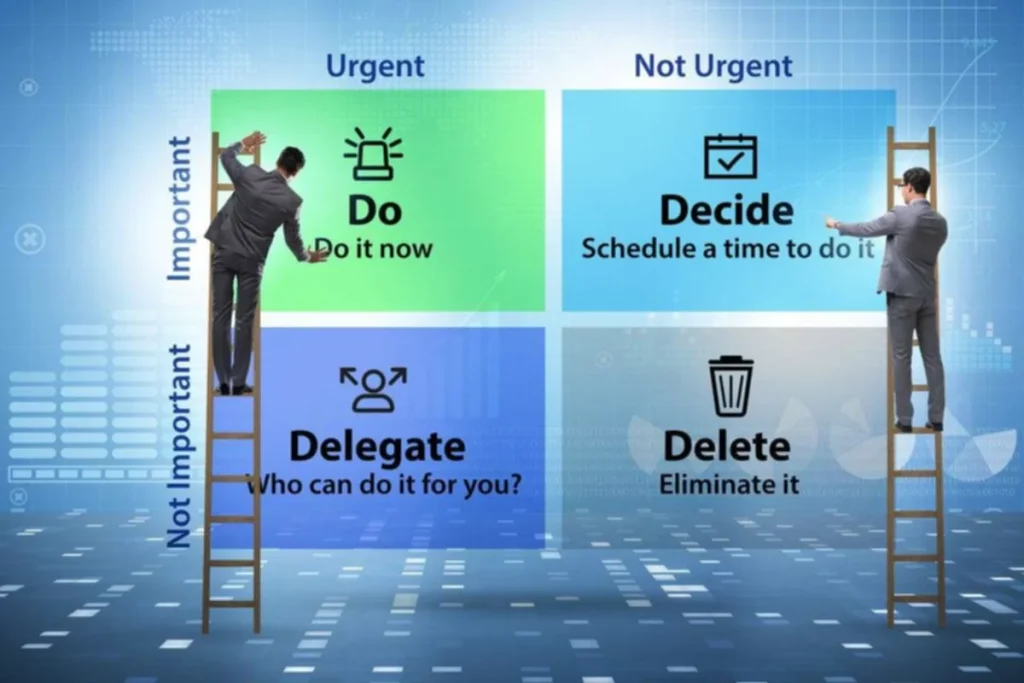
The Eisenhower Matrix categorizes tasks into four distinct quadrants, which not only facilitate clarity but also provide actionable steps for managing daily responsibilities:
- Quadrant I: Urgent and Important – Tasks in this category require immediate attention and are often deadline-driven. For example, completing a report due today or addressing a critical issue at work falls under this quadrant. Engaging with these tasks promptly can help alleviate mounting pressure.
- Quadrant II: Not Urgent but Important – These are strategic activities that contribute significantly to your long-term goals, such as planning future projects, investing in professional development, or building relationships. Scheduling dedicated time for these tasks is essential, as neglecting them can lead to crises down the line.
- Quadrant III: Urgent but Not Important – Tasks like answering certain emails or attending meetings that don’t require your expertise can consume time without adding substantial value. Consider delegating these to team members or using “email triage” strategies to minimize their impact on your productivity.
- Quadrant IV: Not Urgent and Not Important – Activities that fall into this category often serve as distractions, such as excessive social media browsing or unnecessary meetings. Eliminating or significantly reducing these tasks can free up time for more impactful activities.
Utilizing the Eisenhower Matrix not only clarifies your priorities but also reduces stress by allowing you to zero in on tasks that align with your goals. Implementing this framework empowers you to:
- Identify distractions and time-wasters: Recognizing what truly requires your immediate focus can save valuable time.
- Boost productivity: Concentrating on impactful activities enables you to leverage your efforts towards meaningful outcomes.
- Achieve a healthier work-life balance: Prioritizing important tasks helps create boundaries between work and personal life, leading to overall well-being.
Implementing the Matrix in Your Daily Routine
Curious about how to implement this technique effectively? Start by taking a few moments each morning to categorize your to-dos using the matrix. This practice can help you gain immediate clarity on your daily responsibilities. Additionally, adjusting your evaluation of tasks throughout the week will keep your focus aligned with your evolving priorities.
With the right approach, you can take control of your time and achieve both personal and professional objectives. Dive deep into the nuances of the Eisenhower Matrix, and explore tips for maximizing your efficiency—unlocking your true productivity potential in the process.
DISCOVER MORE: Click here to learn about the Pomodoro technique
Understanding the Quadrants of the Eisenhower Matrix
To fully harness the power of the Eisenhower Matrix, it’s essential to dive deeper into its four quadrants. Each quadrant serves a unique purpose and helps elaborate on different aspects of task prioritization. By understanding these categories, you can tailor your daily routines and ensure that your energy is directed toward activities that genuinely matter.
The first quadrant, Urgent and Important, is where crises and critical projects reside. These tasks often come with firm deadlines that demand immediate attention. For instance, a last-minute client meeting or a project that is due by the end of the day typically falls into this category. Addressing these tasks swiftly can relieve stress and help maintain project momentum, but it’s vital to highlight that operating predominantly in this quadrant can lead to burnout. In the long run, relying too heavily on urgent tasks can obscure your bigger goals.
Next up is the Not Urgent but Important quadrant. This area is crucial for long-term success. It encompasses activities that contribute to personal growth, strategic planning, and relationship building. Consider tasks such as developing new skills through coursework, enhancing workplace relationships, or mapping out future projects. While they may not scream for immediate attention, these tasks underpin your overall career trajectory and help prevent future urgency crises. Ironically, this quadrant is often neglected, leading many to operate primarily within the chaos of the first quadrant. Scheduling regular time blocks dedicated to this quadrant is key; consider setting aside a weekly review session to focus exclusively on these important, albeit less urgent, tasks.
The Urgent but Not Important quadrant is a tricky space for many professionals. Tasks here may appear pressing, but they often don’t require your unique expertise, making them suitable for delegation. Examples include responding to routine emails, attending non-essential meetings, or handling urgent requests from colleagues that don’t contribute directly to your goals. By recognizing these tasks, you can implement strategies such as delegating or even automating certain responses, which ultimately allows you to dedicate your focus to what truly matters.
Lastly, the Not Urgent and Not Important quadrant can be seen as the sandbox for distractions. This category contains activities that are often time-sinks, such as excessive social media scrolling or unproductive meetings. While some of these activities may be enjoyable, recognizing their low value is vital to reclaiming your time. A conscious effort to minimize or eliminate these distractions can greatly enhance your efficiency, providing you with more room to focus on the other three quadrants.
As you familiarize yourself with the nuances of these quadrants, consider how you can actively incorporate this framework into your decision-making process. The understanding of where tasks lie within the Eisenhower Matrix provides a clear roadmap for time management, helping you prioritize smarter. Are you ready to reclaim your schedule?
Certainly! Here is the second part of the body on the topic “How to Effectively Set Priorities Using the Eisenhower Matrix”:One of the most compelling aspects of the Eisenhower Matrix is its structured approach to tackling tasks based on urgency and importance. By dividing your tasks into four distinct quadrants, you can easily visualize your priorities and allocate your time more effectively.The first quadrant focuses on tasks that are urgent and important. These are your top priorities—such as meeting project deadlines or addressing critical issues. Addressing these tasks promptly not only preserves your credibility but also boosts your productivity. This quadrant encourages decisive action, preventing procrastination from curbing your progress.In contrast, the second quadrant emphasizes tasks that are important but not urgent. These might include long-term projects, strategic planning, or personal development activities. Investing time in this quadrant pays off significantly, as it helps in reducing future crises and setting a foundation for success. By managing these tasks proactively, you enhance focus on your goals and prevent task overflow into urgency-induced panic.The third quadrant comprises tasks that are urgent but not important. These are often distractions, such as some emails or meetings that demand attention but do not contribute meaningfully to your objectives. Delegating these tasks where possible can free up your time, allowing you to concentrate on what truly matters.Finally, the fourth quadrant includes tasks that are neither urgent nor important. This quadrant is often associated with time-wasters, such as excessive social media browsing or trivial paperwork. Recognizing these tasks allows you to eliminate or minimize them, diverting your energy toward more impactful activities.To further illustrate the usage of the Eisenhower Matrix, a well-organized table could provide quick insights into its advantages. Below is an exemplary table formatted for your understanding:
| Category | Key Insights |
|---|---|
| Time Management | Enhances planning and execution by organizing tasks. |
| Stress Reduction | Helps avoid last-minute rushes and promotes a calmer work environment. |
This table captures two key advantages of using the Eisenhower Matrix, emphasizing its role in improving time management and stress reduction. Each aspect serves to enrich your understanding of prioritization, ultimately guiding you towards greater efficiency in your tasks.In summary, navigating your to-do list with the Eisenhower Matrix equips you with the right tools to streamline workflows, reduce stress, and achieve your goals systematically. As you delve deeper into personal productivity strategies, adapting the Eisenhower Matrix into your routine can lead to transformative outcomes in both personal and professional realms.
DISCOVER MORE: Click here to learn about the impact of ergonomics
Applying the Eisenhower Matrix in Daily Life
Having understood the four quadrants of the Eisenhower Matrix, the next step is to seamlessly integrate this tool into your daily routine. Successful prioritization requires more than mere knowledge; it demands practical application and reflection to cultivate productivity. Here are some actionable strategies to maximize the benefits of the Eisenhower Matrix in your life.
Daily Task Assessment
Start your day by reviewing your tasks and categorizing them into the four quadrants. Keeping a digital or paper planner handy while working through your to-do list can help streamline this process. Use color-coding or labeled sections to visually distinguish between the quadrants; a vibrant color for Urgent and Important tasks can serve as a motivational cue.
It is also worthwhile to consider the impact of technology in categorizing tasks. There are numerous productivity apps, such as Todoist and Trello, that allow users to sort their tasks according to the Eisenhower Matrix. By utilizing such applications, you can transform a mundane list of tasks into a dynamic prioritization tool that adapts to changing demands throughout the day.
Weekly Review Sessions
The practice of reflecting on your progress can provide crucial insights into your work habits. Designate a time each week to review your task allocation across the quadrants. Ask yourself: Are you spending too much time in the Urgent and Important quadrant? Are there tasks from the Not Urgent but Important section being overlooked? This reflection can help you identify trends, enabling you to adjust your priorities and redirect your time more effectively.
Delegation Skills
Developing delegation skills is vital, particularly when managing tasks that fall into the Urgent but Not Important quadrant. Clearly identify duties that can be handed off to team members or automated. For instance, if you find yourself bogged down by routine emails or scheduling, consider using specialized tools like Calendly for setting meetings. Training your team to take on these responsibilities not only frees up your time but also empowers your colleagues, fostering a better work environment.
Mindset Shift
Adopting a strategic mindset is crucial in maximizing the effectiveness of the Eisenhower Matrix. It is essential to shift from a reactive approach to a proactive one. When you plan your day with intent, focusing on Not Urgent but Important tasks, you will prevent future crises and enhance your effectiveness. This forward-thinking mentality encourages growth and long-term vision, challenging you to think beyond immediate threats and push toward a more balanced portfolio of tasks.
Visual Reminders and Accountability
Accountability partners can play an influential role in maintaining your prioritization efforts. Share your weekly priorities with a colleague or a mentor who can check in on your progress and provide constructive feedback. Moreover, consider placing visual reminders in your workspace—sticky notes with motivational quotes or reminders of your long-term goals can help keep you focused.
In summary, effectively setting priorities using the Eisenhower Matrix requires ongoing engagement with your tasks and a willingness to adapt. By actively applying these strategies daily and weekly, you will create a robust framework that not only delineates urgent from important tasks but also optimizes your overall productivity. Are you ready to take control of your priorities and maximize your potential?
DISCOVER MORE: Click here to learn how to master your time
Conclusion
In conclusion, mastering the art of prioritization through the Eisenhower Matrix can be a game-changer in your journey towards enhanced productivity and effective time management. By categorizing tasks into the four distinct quadrants, you gain clarity on what requires immediate attention, what can be scheduled later, what can be delegated, and what is simply a distraction. This structured approach not only simplifies decision-making but also empowers you to focus on tasks that align with your long-term goals.
Implementing the strategies discussed, such as daily task assessments, weekly reviews, and fostering delegation skills, can transform overwhelming workloads into manageable action plans. Furthermore, embracing a proactive mindset encourages continuous reflection and adaptation, essential for thriving in our fast-paced environments. Remember, the essence of productivity lies not just in getting things done, but in ensuring that the right things are being prioritized.
As you embark on this prioritization journey, remain open to adjusting your approach based on evolving demands and your personal growth. To amplify your results, consider incorporating accountability measures and visual reminders that keep you aligned with your objectives. By leveraging the Eisenhower Matrix effectively, you will not only streamline your daily activities but also pave the way for achieving your long-term aspirations. Are you ready to unlock your full potential by setting priorities that matter?
Related posts:
Pomodoro Techniques: Increasing Productivity Through Time Management
The Relationship between Self-Discipline and Time Management in the Pursuit of Productivity
The Art of Saying No: How to Prioritize Tasks and Manage Time Effectively
The Impact of Automation Technologies on Time Management and Productivity
How Time Management Can Increase Creativity in Work Environments
Weekly Planning: Structuring Your Routine to Maximize Results

Linda Carter is a writer and productivity and personal organization specialist focused on helping readers build better routines, manage their time, and stay on top of daily priorities. With experience covering practical planning methods, habit-building strategies, and tools for organization, Linda shares actionable guidance on our platform. Her goal is to empower readers with clear, realistic tips to work smarter, reduce overwhelm, and stay consistent over time.