How Memory Games Enhance Recall and Retention Abilities
Unleashing the Power of Memory Games
Have you ever struggled to remember important details or found yourself grappling with recall during conversations? You’re not alone. Many people in the United States face this challenge, particularly as they age. Fortunately, there are engaging solutions that can enhance our recall and retention abilities.
The Science Behind Memory Games
Memory games are designed to challenge and stimulate our brain’s cognitive functions. Research suggests that engaging in memory-boosting activities not only enhances mental acuity but could also help stave off age-related cognitive decline. These games can offer benefits such as:
- Enhanced focus: Keeping attention on the game boosts concentration levels. Neuroscience studies show that activities requiring focused attention can lead to improved neural connections.
- Improved memory skills: Regular play sharpens the ability to recall information. For example, a study published in the Journal of Experimental Psychology indicated that participants who played memory games regularly showed notable improvements in their short-term memory.
- Engagement and fun: Transforming learning into a playful activity encourages consistent practice. Games that feel enjoyable are often more effective because they motivate players to engage over the long term.
Types of Memory Games
These games come in various formats that cater to different preferences and demographics. Here are some popular options:
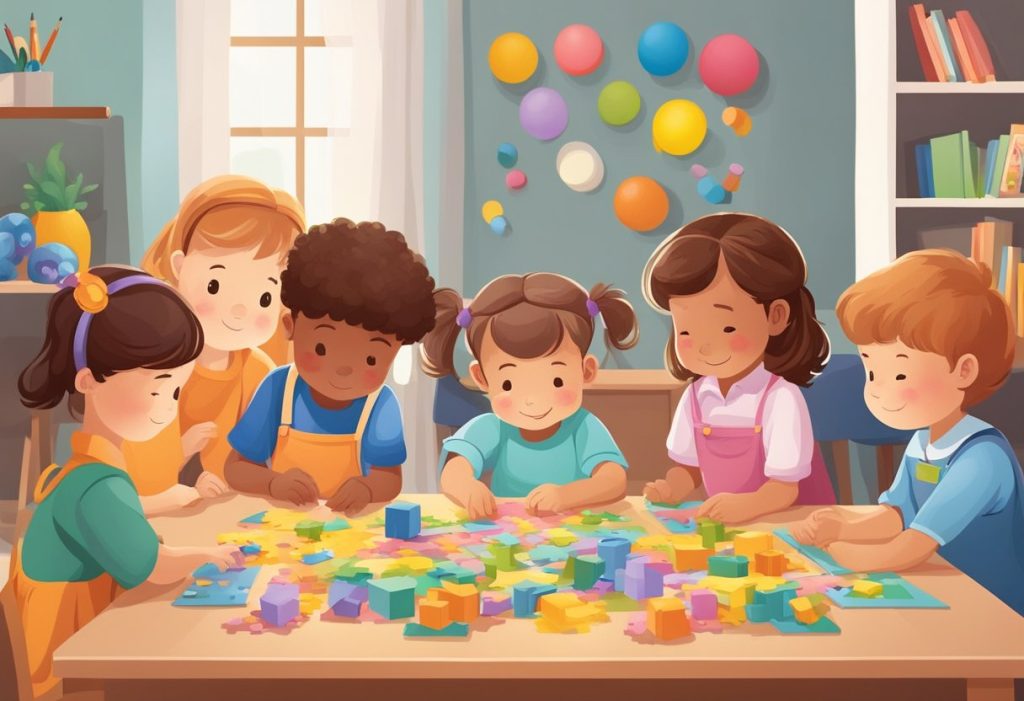
- Classic card matching: This age-old game challenges players to remember card placements, making it a timeless favorite among families and educational settings. It can assist young children in developing their memory while providing adults with a nostalgic experience.
- Digital apps: Many modern apps blend entertainment with memory training. For instance, platforms like Lumosity or Peak offer personalized training based on user performance, making memory enhancement accessible to everyone, regardless of age.
- Board games: Engaging with family or friends through strategic memory games fosters social interaction. Games like “Concentration” or “Memory” can turn a simple family game night into an enriching experience, strengthening both bonds and cognitive skills.
Delving deeper, it is essential to note that the improvement from memory games isn’t instant. It requires consistent practice and keen interest to yield noticeable benefits. Research indicates that just 15 minutes of cognitive training a day can lead to significant improvements over time. Understanding how these tools work can pave the way for better cognitive health, making it easier to remember names, appointments, or even the increasingly commonplace passwords we juggle every day.
Incorporating memory games into your daily routine could be one of the simplest yet most rewarding steps towards enhancing your cognitive abilities. They’ve become more than just a pastime—they represent a proactive approach to maintaining our mental health and vitality throughout our lives.
DISCOVER MORE: Click here for insights
The Cognitive Benefits of Memory Games
As the modern world becomes increasingly fast-paced, cultivating our recall and retention abilities is more important than ever. Memory games play a crucial role in this endeavor, offering a stimulating way to enhance cognitive functions while enjoying the process. By actively engaging different areas of the brain, these games help players of all ages achieve better mental agility.
Why Memory Matters
Understanding the significance of memory is vital. It influences how we learn, communicate, and function in daily life. Research from institutions such as the National Institute on Aging shows that memory plays a foundational role in our overall mental health and well-being. Strong memory skills can mean the difference between successfully navigating social interactions and struggling to recall a friend’s name. With the detrimental effects of cognitive decline looming for an aging population, memory games present a proactive solution.
Engagement and Motivation
The engaging nature of memory games not only attracts players but also leads to sustained practice, crucial for long-term cognitive gains. Here’s a look at several compelling reasons why these games are effective:
- Neuroplasticity: Engaging in memory-enhancing activities has been shown to promote neuroplasticity, the brain’s ability to reorganize itself by forming new neural connections. This adaptability is essential for learning and retaining new information.
- Routine and Structure: Memory games can introduce routine into our daily lives, creating regular intervals of cognitive exercise that are easy to incorporate into busy schedules. Consistency is key; studies indicate that a regular practice of memory games leads to cumulative benefits.
- Social Connection: Participating in memory games with friends or family fosters social interaction, which is crucial for emotional health. Socializing while playing encourages laughter and collaborative learning, both essential for improving memory.
With many people spending a significant portion of their day in front of screens, balancing this with in-person activities such as memory games can fortify not only recall but social ties as well. Whether you are targeting improvement in personal recall for day-to-day tasks or seeking to enrich your cognitive reserve, memory games suit a multitude of goals.
Ultimately, the challenge and enjoyment that memory games provide make them a valuable tool for cognitive enhancement. They empower individuals to take charge of their mental fitness, making a marked difference in how they navigate daily challenges. By investing in these games, you’re not just playing—you’re consciously fostering a sharper, more resilient mind capable of retaining and recalling information with ease.
| Category | Advantages |
|---|---|
| Cognitive Skills Development | Memory games significantly boost cognitive skills by challenging players to memorize patterns and information. |
| Enhanced Focus and Attention | These games train users to maintain focus and improve attention spans, which are vital for effective learning. |
| Memory Retention | Engaging in regular memory challenges has proven to enhance long-term memory retention. |
| Social Interaction | Playing memory games can foster social interaction, thereby enhancing emotional well-being. |
Memory games are a powerful tool in enhancing recall and retention abilities, leveraging both cognitive development and social engagement. Players not only improve their memory through repetition but also sharpen other mental skills such as problem-solving and critical thinking. Regular participation in these games can lead to a marked improvement in academic performance and a boost in brain health over time. The engaging nature of memory games makes them not only beneficial but also entertaining, offering an enjoyable way to nurture mental agility and memory enhancement. By challenging the brain through fun and interactive methods, individuals maintain a sharper mental acuity, paving the way for lifelong learning and cognitive resilience.
DISCOVER MORE: Click here to learn about the benefits
Real-World Applications of Enhanced Memory
The benefits of playing memory games extend far beyond the confines of entertainment; they are integral to various real-world scenarios, particularly in professional settings, educational institutions, and everyday tasks. By improving recall and retention abilities, memory games can significantly influence one’s performance and adaptability.
Memory in the Workplace
In today’s demanding workplace environments, the ability to multitask and remember critical information is paramount. Memory games can serve as effective training tools to sharpen these skills. For instance, engaging in rapid recall exercises can help employees better retain meeting notes or project timelines, enhancing team collaboration and productivity. According to a report by the American Psychological Association, improved memory directly correlates with decision-making and problem-solving efficiency. Companies that incorporate cognitive training, including memory games, often see a boost in employee performance and job satisfaction.
Learning Enhancement for Students
In educational contexts, memory games can play a transformative role in learning processes. Teachers can incorporate games like “Memory Match” or “Sequence Recall” into the curriculum to actively engage students, making lessons more dynamic and effective. Research indicates that students who participate in memory-enhancing activities experience better retention of subject material and superior examination results. A study published in the “International Journal of Educational Research” found that students who regularly engaged with memory-based learning exhibited a 15% improvement in information retention over their peers who did not.
Everyday Life and Cognitive Resilience
Memory games also contribute to everyday life by enhancing the recall of daily tasks, appointments, and personal information. Simple games can train the brain to manage lists, remember birthdays, or even recall to-do items more efficiently. As we age, the risk of cognitive decline increases, making it essential to maintain an active mind. Games that challenge the brain can delay the onset of memory-related issues, thus advocating for a lifestyle rich in cognitive engagement. The Alzheimer’s Association emphasizes the importance of such mental exercises in their guidelines for brain health, highlighting that even simple memory tasks can significantly slow cognitive deterioration.
Digital Innovations in Memory Training
The rise of technology has introduced a plethora of digital options for memory enhancement. Mobile applications and online platforms dedicated to memory training offer users the flexibility to practice memory games at their own pace. These tools leverage advanced algorithms to customize challenges based on individual performance, providing a tailored approach to memory improvement. Engaging in these digital platforms can result in measurable benefits; a study by Johns Hopkins University showed that individuals who utilized gamified cognitive training apps displayed a 29% enhancement in their memory abilities over a three-month period.
Incorporating memory games into various aspects of life can pave the way for significant cognitive enhancements. Whether in the office, classroom, or at home, the multifaceted applications of these games showcase their potential to strengthen the recall and retention abilities essential for success in modern society.
DISCOVER MORE: Click here to learn how strategy games enhance critical thinking
Conclusion: The Impact of Memory Games on Cognitive Function
In conclusion, the significant role of memory games in enhancing recall and retention abilities cannot be overstated. These engaging activities provide a unique avenue for individuals to sharpen their cognitive skills across various domains, including the workplace, education, and everyday life. The scientific evidence supporting the efficacy of memory games reveals their potential to transform not only personal capabilities but also collective outcomes in professional environments and educational settings.
As demonstrated, organizations that implement memory training see profound improvements in employee productivity and satisfaction, while students who engage with memory-enhancing techniques benefit from higher retention rates and academic performance. Moreover, the accessibility of digital platforms dedicated to memory training allows individuals of all ages to incorporate cognitive exercises into their daily routines effortlessly, supporting lifelong cognitive resilience.
In a society that increasingly values mental agility and adaptability, prioritizing memory enhancement through games offers a proactive approach to maintaining a sharp mind, particularly as cognitive decline may become a concern with age. Encouraging a culture of cognitive engagement through memory games not only fosters improved recall abilities but also contributes to overall mental well-being.
Ultimately, the myriad benefits of integrating memory games into our lives underscore their importance in developing and maintaining the cognitive functions essential for success. Therefore, embracing these powerful tools is vital for anyone looking to boost their memory performance and enhance their cognitive capabilities. Exploring more about memory games and their applications may just be the key to unlocking one’s full potential.
Related posts:
The Connection Between Chess and Cognitive Flexibility
The Impact of Virtual Reality Puzzles on Spatial Awareness and Navigation Skills
The Influence of Escape Room Challenges on Teamwork and Communication Skills
The Cognitive Benefits of Playing Word Games on Language Skills
The Benefits of Jigsaw Puzzles for Visual-Spatial Intelligence
The Role of Strategy Games in Developing Critical Thinking

Linda Carter is a writer and puzzle expert specializing in mind games, brain teasers, and cognitive challenges. With extensive experience helping individuals enhance their problem-solving skills and think critically, Linda shares her knowledge on our platform. Her goal is to empower readers with practical advice, engaging puzzles, and strategies to sharpen their minds and achieve success in the captivating world of mind games and puzzles.