
The Importance of Ergonomics in the Workplace
The desk remains a central hub for many professionals, especially in the United States, where the work culture often revolves around sedentary office environments. This environment’s setup can significantly influence not only productivity levels but also the overall health and well-being of employees. As we dive into the concept of ergonomics, it’s apparent that it serves as a foundation for creating workspaces that enhance efficiency while minimizing health risks.
Reduced Injury Risk
One of the primary advantages of implementing ergonomic practices is the marked reduction in injury risk. For example, according to the U.S. Bureau of Labor Statistics, musculoskeletal disorders account for nearly 30% of all workplace injuries. Repetitive strain injuries, such as carpal tunnel syndrome and tendonitis, can severely limit an employee’s ability to work and lead to prolonged absences. By incorporating ergonomic design elements, businesses can create a safer workplace. Simple adjustments, like keyboard and mouse positioning, can significantly lower the risk of these injuries.
Increased Productivity
Productivity thrives in environments where employees feel comfortable and focused. A well-optimized workspace minimizes distractions and promotes sustained attention. Research from the World Health Organization (WHO) highlights that ergonomic interventions can enhance productivity by up to 25%. Features like noise-canceling headphones, task lighting, and appropriate equipment arrangement reduce cognitive load and facilitate better concentration. These improvements not only benefit individual performance but also contribute to overall organizational success.
Improved Job Satisfaction
Another compelling aspect of an ergonomic workspace is the correlation between comfort and job satisfaction. Numerous surveys indicate that employees working in ergonomically designed areas report higher morale and loyalty to their company. The idea that feeling physically good directly influences emotional and psychological well-being is becoming more established. For instance, a simple standing desk may contribute to a more dynamic workday, leading to happier and more engaged employees.
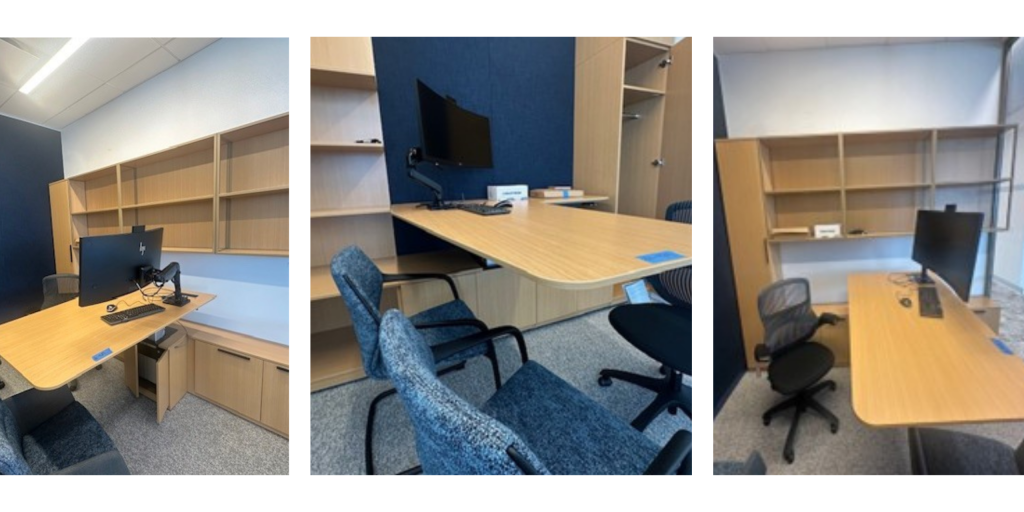
Practical Ergonomic Solutions
Investing in ergonomic solutions might seem daunting for some organizations, but the payoff is substantial. Consider:
- Adjustable Chairs: These allow employees to customize their seating positions, offering lumbar support that can alleviate back strain and improve posture.
- Standing Desks: These alternatives promote dynamic work patterns, allowing employees to alternate between sitting and standing, which can reduce fatigue and increase energy levels throughout the day.
- Proper Monitor Height: The correct positioning of computer monitors can help maintain a neutral neck position, thus preventing discomfort and promoting productivity.
With a clear understanding of ergonomic principles, organizations can foster a more productive and healthier workforce. The path to enhanced workplace environments is paved with trust in the power of small, thoughtful changes. By recognizing the impact these adjustments can make, companies can unveil a new standard for what it means to care for their employees—an investment that invariably leads to a robust and thriving workplace.
DIVE DEEPER: Click here to enhance your time management skills
Understanding Ergonomics: A Pathway to Enhanced Comfort and Efficiency
As organizations strive to create optimal work environments, understanding the principles of ergonomics becomes essential. Ergonomics refers to the science of designing a workspace that fits the needs of employees through a thorough understanding of human capabilities and limitations. This discipline not only addresses physical comfort but also promotes mental well-being, enabling a significant boost in overall productivity.
The Science Behind Ergonomics
Ergonomics is rooted in the study of how people interact with their environments. It seeks to eliminate discomfort and improve safety through tailored workspace arrangements. According to the Occupational Safety and Health Administration (OSHA), good ergonomic practices can reduce work-related musculoskeletal disorders by up to 60%. This is crucial for companies, as studies indicate that injuries can result in considerable direct and indirect costs, ranging from lost productivity to rising healthcare expenses.
Optimal Workspace Arrangement
The layout of an office can significantly affect individual efficiency. A well-organized workstation incorporates elements such as:
- Desk Height: The height of a desk should allow employees to keep their forearms parallel to the floor, promoting proper posture and decreasing the risk of strain.
- Keyboard Positioning: Ergonomic keyboards should be placed at elbow height to minimize wrist strain. Tilted keyboards can facilitate a more natural hand position during typing.
- Mouse Use: An ergonomic mouse reduces wrist motion and discomfort, enhancing hand movement efficiency, essential for tasks that require precision.
These ergonomic elements contribute significantly to employee comfort, allowing them to maintain focus for extended periods and ultimately improving their output quality.
Long-Term Benefits of Ergonomics
Implementing ergonomic solutions is not just about immediate comfort; it yields long-term benefits for both employees and organizations. Research indicates that workplaces prioritizing ergonomic practices see:
- Lower Employee Turnover: A commitment to employee well-being fosters loyalty and reduces the costs linked to recruiting and training new staff.
- Enhanced Team Collaboration: A comfortable environment nurtures open communication among employees, resulting in more effective teamwork and higher overall performance.
- Better Mental Health: By reducing physical discomfort and the pressure of potential injuries, employees tend to experience lower stress levels, contributing to a more positive workplace atmosphere.
The melding of ergonomic practices within the workspace transcends mere adjustments; it represents a philosophy that prioritizes health and efficiency. As the evidence mounts, organizations are recognizing that investing in ergonomics is a pivotal step towards cultivating a dynamic and sustainable workforce.
How Ergonomics Influences Efficiency and Comfort in the Workspace
In today’s competitive work environment, ergonomics plays a pivotal role in enhancing productivity and ensuring employee satisfaction. With most offices adopting open spaces and technology-infused workstations, it is crucial to consider ergonomic principles to mitigate health issues and improve overall performance. Research shows that employees who work in ergonomically optimized environments are not only happier but also more efficient.
Ergonomics involves designing workplaces that fit the physical needs of the worker. For instance, adjusting chair heights, monitor positions, and keyboard placements can significantly decrease musculoskeletal disorders and fatigue. This optimization results in less time lost to discomfort, allowing employees to focus more on their tasks, leading to higher productivity levels.
Furthermore, a well-structured workspace encourages positive mental attitudes. Employees are less likely to feel stressed when their physical environment supports their comfort and workflow. Proper ergonomics can also foster a culture of self-care and wellness, which in turn promotes loyalty and lowers turnover rates, creating a more stable workforce.
| Ergonomic Advantages | Impact on Workspace |
|---|---|
| Reduced Physical Stress | Alleviates strain on muscles and joints, enhancing comfort. |
| Increased Productivity | Workers can concentrate better and produce more quality work. |
Investing in ergonomic solutions is not merely a trend but a necessity for modern workplaces. As businesses seek to enhance their operational success, it becomes essential to prioritize the health and well-being of employees by implementing ergonomic practices that support their efficiency and comfort at work.
DIVE DEEPER: Click here to discover more
Implementing Ergonomic Strategies: Key Components for Success
To fully realize the advantages of ergonomics within the workspace, organizations need to adopt a holistic approach that emphasizes both physical design and cultural shifts. As workplaces evolve in response to modern challenges, the integration of ergonomic strategies has become a necessity rather than a luxury. From standing desks to adjustable workstations, the best ergonomic solutions are those that balance comfort and practicality, ultimately enhancing workplace efficiency.
The Role of Technology in Ergonomic Solutions
Innovations in technology have launched a new era for ergonomics, providing tools that actively promote better posture and physical health. For example, sit-stand desks allow employees the flexibility to alternate between sitting and standing, reducing the risks associated with prolonged sitting. Research indicates that using these desks can improve productivity by approximately 45%, as employees report higher energy levels and satisfaction when they can choose their working position.
Moreover, ergonomic software can monitor employee posture and computer usage, providing real-time feedback tailored to individual needs. Programs like ergonomic assessment tools and posture-correcting apps are gaining traction, further emphasizing the role of technology in developing ergonomic practices. This integration of technology into the ergonomic landscape not only targets comfort but ensures employees are equipped for the demands of their jobs.
Customized Ergonomic Assessments
One size does not fit all when it comes to ergonomics; thus, personalized assessments are crucial. Conducting thorough ergonomic assessments for each employee can identify specific pain points and comfort needs. These assessments often lead to tailored solutions, such as:
- Custom Chair Design: Providing employees with chairs tailored to their unique requirements—whether lumbar support adjustments or seat depth modifications—can profoundly impact their comfort levels and reduce fatigue.
- Footrests: These promote proper leg positioning and circulation, crucial for employees working at desks for extended periods.
- Lighting Considerations: Optimizing light settings to minimize glare on screens can help reduce eye strain and foster a comfortable work environment.
By prioritizing individualized ergonomic solutions, organizations not only demonstrate a commitment to employee health but also positively influence overall morale and retention rates.
Ongoing Ergonomic Training and Mindfulness
Even with the best ergonomic tools in place, ongoing training and awareness are vital for sustaining the benefits of ergonomic practices. Regular workshops that address ergonomic principles can empower employees to develop self-awareness regarding their posture, workspace arrangement, and working habits. Research by the National Institute for Occupational Safety and Health (NIOSH) suggests that training programs focusing on posture correction and movement breaks contribute to a 32% decrease in workplace injuries.
Additionally, fostering a culture of mindfulness around ergonomics encourages employees to be proactive in their workspace habits. Simple actions, such as taking a moment to stretch or adjusting their workstations periodically, lead to greater long-term health benefits. Organizations that foster an environment of awareness exhibit not only lower injury rates but also increased productivity and employee satisfaction, strengthening their overall operational effectiveness.
The challenge lies in continually assessing and integrating ergonomic principles into the workplace structure, serving both the needs of the employee and the organization. As companies recognize the multifaceted dimensions of ergonomics, they will likely see tangible enhancements in efficiency and comfort, creating a healthier, more dynamic work environment for all.
DIVE DEEPER: Click here to unlock productivity secrets
Conclusion: Embracing Ergonomics for a Better Workplace
In summary, the impact of ergonomics on workplace efficiency and comfort cannot be overstated. As organizations face the evolving demands of the modern workforce, the need to integrate ergonomic practices becomes paramount. From leveraging technological advancements like sit-stand desks and ergonomic software to implementing customized assessments that cater to individual needs, businesses stand to gain significantly by prioritizing employee health and comfort.
The combination of tailored ergonomic solutions and continuous training fosters an environment that not only minimizes the risk of injuries, reflected by a striking 32% decrease in workplace injuries as noted by the National Institute for Occupational Safety and Health (NIOSH), but also enhances overall productivity and morale. By nurturing a culture of mindfulness towards ergonomics, companies empower employees to take ownership of their workspace, leading to improved satisfaction and retention rates.
Ultimately, organizations that recognize the multi-dimensional benefits of ergonomics—blending comfort, health, and operational efficiency—will find themselves at a distinct advantage in today’s competitive landscape. The journey toward an ergonomically sound workspace is one that requires commitment, assessment, and ongoing adaptation. As we continue to navigate the complexities of modern work environments, embracing these principles will pave the way for a healthier, more dynamic, and productive future.

Linda Carter is a writer and productivity and personal organization specialist focused on helping readers build better routines, manage their time, and stay on top of daily priorities. With experience covering practical planning methods, habit-building strategies, and tools for organization, Linda shares actionable guidance on our platform. Her goal is to empower readers with clear, realistic tips to work smarter, reduce overwhelm, and stay consistent over time.