
Understanding Effective Task Management Techniques
In today’s fast-paced world, effectively managing tasks is essential for success. With numerous responsibilities vying for attention in both our personal and professional lives, knowing how to prioritize is more crucial than ever. From busy professionals striving to meet deadlines to students juggling multiple assignments, mastering the art of task management can be transformative.
To aid this process, various methods exist that help individuals and teams streamline their workflows. Some noteworthy techniques that are gaining traction among productivity enthusiasts include:
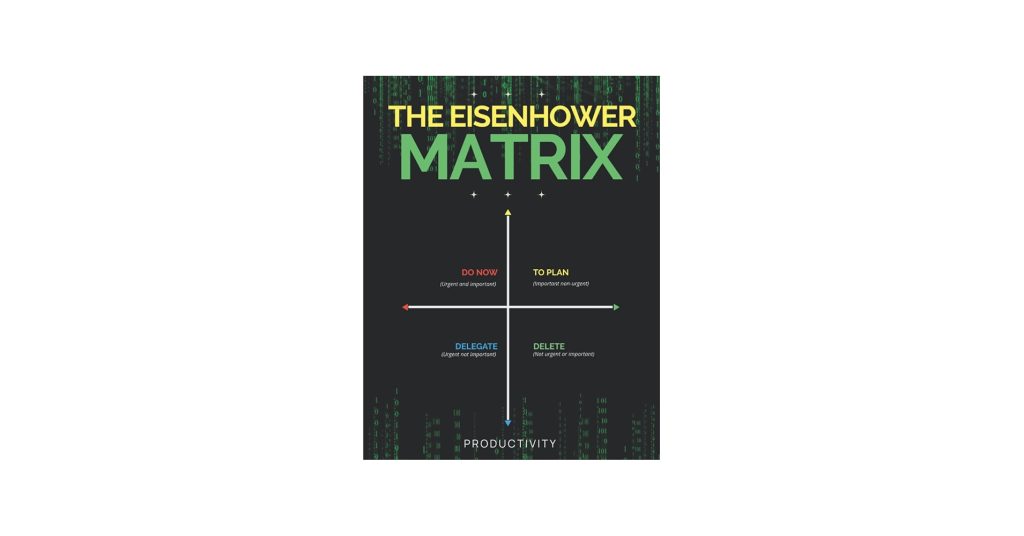
- The Eisenhower Matrix – This method distinguishes between what’s urgent and important, allowing users to effectively categorize tasks into four quadrants: urgent and important, important but not urgent, urgent but not important, and neither urgent nor important. By focusing on tasks that hold the greatest significance, you can mitigate the blurred lines that often lead to inefficient work habits.
- Kanban – Originating from Japan’s manufacturing industry, this visual task management approach employs boards and cards to represent tasks visually. Users can move tasks through different stages of completion. This technique promotes efficiency by providing a quick overview of ongoing tasks and ensuring that both teams and individuals can see work in progress, identify bottlenecks, and adjust priorities accordingly.
- ABCD Prioritization – In this technique, tasks are assigned letters based on their importance: ‘A’ tasks are high priority, ‘B’ tasks are of moderate importance, ‘C’ tasks have low importance, and ‘D’ tasks can be delegated if possible. This simple framework helps individuals quickly identify which tasks demand immediate attention and which can be postponed or reassigned.
Each of these methods employs unique strategies to categorize and tackle work, appealing to diverse learning styles and work preferences. For instance, while some users may find visual systems like Kanban invigorating and easy to navigate, others may prefer the structured assessment offered by the Eisenhower Matrix. Understanding the features of these techniques can empower anyone, from busy professionals to students, to enhance productivity.
Moreover, prioritizing tasks can lead to more manageable daily schedules and improved work-life balance. Effectively identifying which tasks will yield the highest returns on investment can free up time for leisure and personal interests, thereby reducing burnout and enhancing overall satisfaction with both work and life.
Ultimately, exploring these methods opens doors to a transformative approach to productivity. As you dive deeper into each technique, consider how you might tailor them to best fit your circumstances. Mastery of task management is not just about working harder but working smarter, leading to a more fulfilled and balanced life.
DIVE DEEPER: Click here to unlock effective habit strategies
Exploring the Eisenhower Matrix
The Eisenhower Matrix, named after the 34th President of the United States, Dwight D. Eisenhower, is a powerful tool that has gained popularity for its straightforward yet effective approach to time management. This method helps users tackle tasks by sorting them into four distinct categories based on urgency and importance:
- Quadrant I: Urgent and Important – This is where the real action lies. Tasks in this category require immediate attention and have significant consequences if left unaddressed. Think fire drills at work or crucial deadlines for major projects.
- Quadrant II: Important but Not Urgent – These tasks are high priority but don’t need immediate action. Investing time here can lead to significant progress and long-term success, like strategic planning or personal development activities.
- Quadrant III: Urgent but Not Important – These tasks often distract from what is truly important. While they may require quick responses, they don’t substantially contribute to your goals. Examples include unimportant meetings or annoying emails.
- Quadrant IV: Neither Urgent nor Important – Tasks in this quadrant are time-wasters. They pull attention away from productivity, such as excessive browsing on social media or watching TV shows that don’t offer any value.
By categorizing tasks into these quadrants, you can clearly see where your focus should be and work to reduce the time spent on less productive activities. This method encourages planning and prioritization, allowing users to maximize their efficiency by targeting efforts where they matter most.
Unpacking the Kanban Method
While the Eisenhower Matrix thrives on categorization, Kanban offers a contrasting approach with its visual representation of workflows. Originating from Toyota’s production system, Kanban emphasizes continuous delivery and efficiency by using boards (physical or digital) to depict the stages of work and to track progress visually. The simplicity of moving cards from ‘To Do’ to ‘In Progress’ and finally ‘Done’ makes task management interactive and engaging.
Key features of the Kanban method include:
- Visual Workflow: The visual aspect allows teams to see the current status of tasks at a glance, making it easier to identify works in progress and point out any bottlenecks.
- Limit Work in Progress: By limiting the number of tasks in any given stage, Kanban encourages teams to finish tasks instead of starting too many simultaneously, leading to increased productivity and reduced task abandonment.
- Continuous Improvement: Kanban fosters an environment where teams can continuously evaluate their processes and make adjustments, enhancing the overall workflow efficiency.
This method is particularly beneficial for teams involved in ongoing projects, as it helps maintain focus while also allowing for flexibility in task management. By visualizing the process and maintaining a steady workflow, Kanban can lead to better collaboration among team members, making it an excellent choice for dynamic work environments.
Understanding and applying these effective prioritization methods, whether through the clear decisions of the Eisenhower Matrix or the engaging visuals of Kanban, can revolutionize the way you and your team manage tasks, leading to enhanced productivity and satisfaction.
Effective Task Prioritization Methods: From the Eisenhower Method to Kanban
Continuing our exploration of effective task prioritization methods, it is crucial to understand how various techniques can lead to productivity improvements and stress reduction. Each method serves a distinct purpose and caters to different workflows and personal preferences.
The Eisenhower Method
The Eisenhower Method, based on the principle of sorting tasks into four quadrants, emphasizes distinguishing between what is urgent and important. This approach allows individuals to focus on tasks that significantly contribute to their goals while avoiding distractions. By systematically categorizing responsibilities, users can enhance their focus, energize their motivation, and prevent burnout from overwhelming responsibilities.
Kanban Method
The Kanban Method, originating from Japanese manufacturing practices, utilizes visual boards to manage workflow. It enhances efficiency by promoting transparency and flexibility within task management. This method effectively balances workload distribution, ensuring that team members do not become overburdened while also facilitating seamless transitions across different stages of a project. The use of color-coded cards offers instant visibility into progress, enabling quick adjustments as necessary.
Combining Methods for Maximum Effect
Combining the Eisenhower Method’s focus on priority with the Kanban Method’s visual transparency can create a robust system for managing tasks effectively. By applying these strategies synergistically, professionals can minimize confusion, maximize efficiency, and maintain a clear perspective on their ongoing responsibilities.
| Task Prioritization Method | Key Advantages |
|---|---|
| Eisenhower Method | Enables clear distinction between urgent and important tasks, optimizing focus. |
| Kanban Method | Promotes visual management of tasks, increasing workflow efficiency and flexibility. |
Utilizing these approaches effectively can transform how tasks are managed within both personal and professional environments, leading to improved outcomes and greater satisfaction. Whether one gravitates more toward the structure of the Eisenhower Method or the fluidity of Kanban, each offers unique benefits that can be tailored to individual needs.
DISCOVER MORE: Click here to unlock productivity tips
Implementing the Pareto Principle in Task Management
Another valuable method in the realm of task prioritization is the Pareto Principle, commonly known as the 80/20 rule. Named after the Italian economist Vilfredo Pareto, this principle posits that 80% of outcomes result from 20% of causes. When applied to task management, this indicates that a small number of tasks—often just a few—are responsible for the majority of your results.
By identifying and focusing on these critical tasks, individuals and teams can improve overall productivity significantly. This might involve analyzing previous work outputs to determine which tasks brought about the highest returns and prioritizing similar tasks in ongoing and future projects. For instance, in sales, you might find that a small portion of clients generates the bulk of your revenue. Focusing efforts on nurturing relationships with these key clients can yield substantial benefits.
The ABCDE Method: Layered Prioritization
Another straightforward yet effective method for prioritizing tasks is the ABCDE Method. This system allows you to classify tasks based on their importance and urgency, providing a clear framework. Here’s a breakdown of the categories:
- A: Very Important – Tasks that must be done today; failure to do them results in significant consequences.
- B: Important – These tasks should be done but are not as critical as A tasks.
- C: Nice to Do – Tasks that are neither urgent nor important; they can enhance productivity but are not essential.
- D: Delegate – Tasks that can be assigned to others, thus freeing up your time for A and B tasks.
- E: Eliminate – Tasks that are unnecessary and should be removed from your to-do list entirely.
By systematically categorizing tasks and addressing them according to their classification, you will be better equipped to manage your time and efforts effectively. This method is particularly useful for professionals who juggle multiple responsibilities and need a quick way to assess their workload.
Combining Methods for Enhanced Effectiveness
What many successful individuals and teams have discovered is that combining multiple prioritization methods maximizes efficiency and clarity. For instance, integrating the Eisenhower Matrix with the Kanban Method could yield remarkable results. By visualizing tasks while simultaneously categorizing them into urgent and important quadrants, teams can maintain a dynamic workflow while ensuring that they are focusing on the right tasks.
Implementing techniques such as the Pareto Principle or the ABCDE Method alongside Eisenhower and Kanban allows for a layered approach to task prioritization. With varying perspectives on what is urgent or important, individuals can adapt their strategies and react to shifting priorities more effectively, ensuring that they remain agile and responsive in a fast-paced work environment.
In the United States, where the competitive landscape requires individuals and teams to maximize productivity and minimize wasted effort, employing a blend of these prioritization strategies can be particularly advantageous. The emphasis on both personal and team efficiency fosters a culture of accountability, empowerment, and continuous improvement.
DIVE DEEPER: Click here to learn more about ergonomics
Conclusion: Mastering Task Prioritization for Optimal Productivity
In today’s fast-paced world, mastering effective task prioritization methods is essential for individuals and teams seeking to enhance productivity and efficiency. From the strategic insights of the Eisenhower Method, which emphasizes the distinction between urgency and importance, to the visual appeal of the Kanban Method that promotes a streamlined workflow, various approaches are available to help manage tasks more effectively.
Incorporating techniques like the Pareto Principle allows for a focus on high-impact tasks, ensuring that time and energy are channeled into areas with the most significant outcomes. Similarly, the ABCDE Method offers a straightforward way to categorize tasks, aiding in the discernment of priorities amidst a myriad of responsibilities.
However, the real power lies in the fusion of these methods. By combining tools and frameworks tailored to your specific situation, you can develop a robust prioritization strategy that not only adapts to changing demands but also fosters a proactive mindset. This adaptability is particularly vital in the competitive landscape of the United States, where the ability to pivot and respond to new challenges can distinguish successful professionals from the rest.
As you navigate your task management journey, continue to explore and implement these effective task prioritization methods, fostering a culture of collaboration, empowerment, and continuous improvement within your teams. By doing so, you’ll not only enhance your personal productivity but also contribute to a thriving work environment that can effortlessly tackle the complexities of modern challenges.
Related posts:
The Importance of the Eisenhower Matrix in Task Prioritization
How to Set SMART Goals to Facilitate the Prioritization of Personal Tasks
Digital Tools for Task Prioritization: Evaluating Apps that Enhance Productivity
The Psychology of Prioritization: How Our Emotions Influence Task Organization
The Impact of Growth Mindset on Task Prioritization and Productivity
Task Prioritization in Teams: Strategies for Efficient Collaboration

Linda Carter is a writer and productivity and personal organization specialist focused on helping readers build better routines, manage their time, and stay on top of daily priorities. With experience covering practical planning methods, habit-building strategies, and tools for organization, Linda shares actionable guidance on our platform. Her goal is to empower readers with clear, realistic tips to work smarter, reduce overwhelm, and stay consistent over time.