
Cultural Variations in Puzzle Preferences: Impact on Mental Agility Across Different Societies
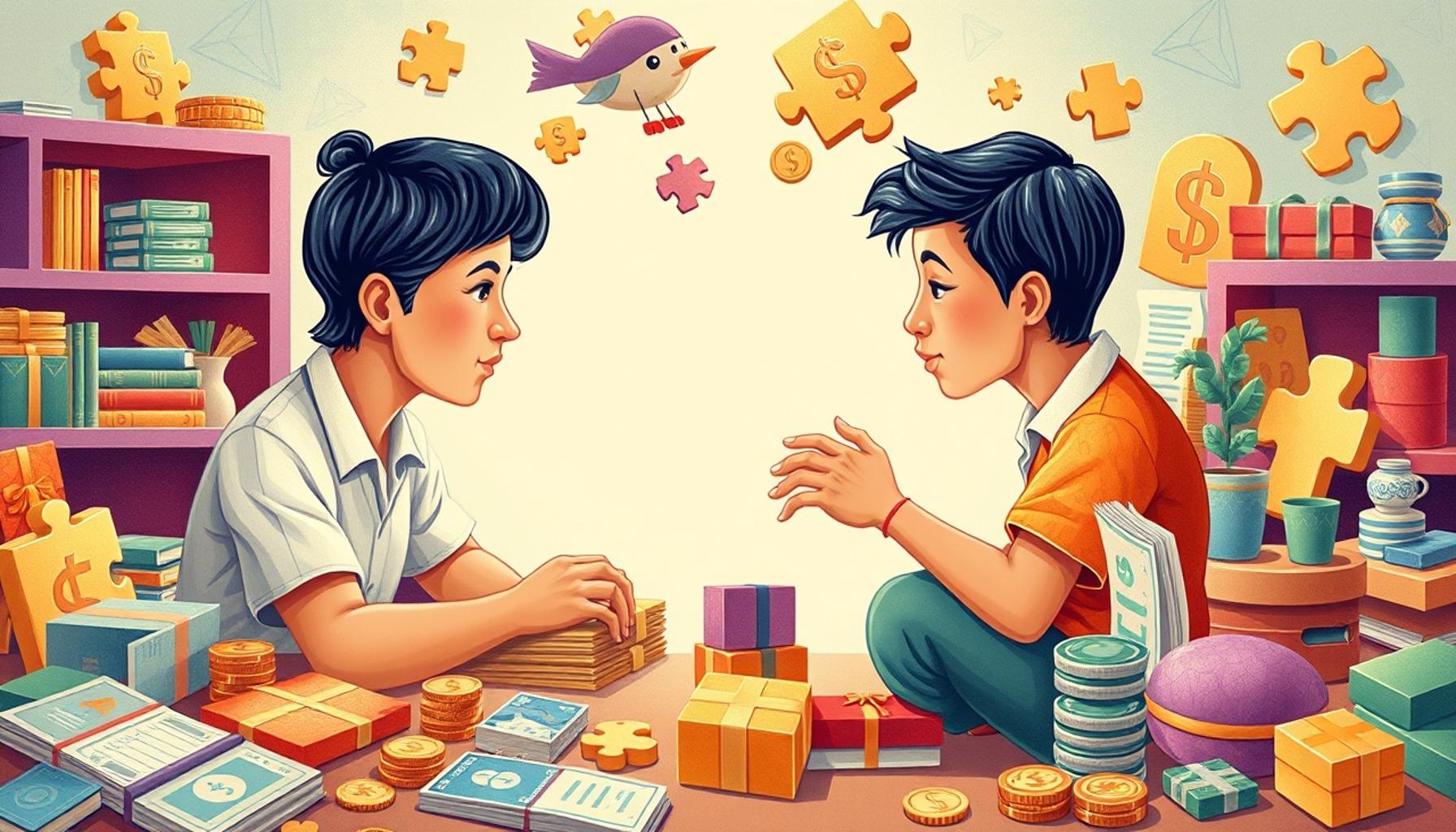
Exploring Puzzle Preferences Across Cultures
Puzzles have long been a source of fascination and intellectual engagement across the globe. However, the types of puzzles favored can vary significantly depending on cultural contexts. This variation holds intriguing implications for mental agility and cognitive development.
The Influence of Culture on Puzzle Choices
Different societies show distinct preferences in puzzle types, influenced by historical, educational, and social factors. Each type not only reflects cultural identities but also serves as a tool for cognitive training. Consider these examples:
- Crossword puzzles: In the United States, these word games are a staple of morning routines, often featured prominently in newspapers and magazines. They challenge players on vocabulary and lateral thinking, requiring both knowledge recall and creative associations. Monthly competitions and tournaments enrich the crossword community, showcasing the significance of these puzzles in American culture.
- Sudoku: Originating in Japan in the late 20th century, Sudoku has surged in popularity worldwide, capturing the hearts of puzzle enthusiasts in various cultures. This number-placement puzzle emphasizes logic and analytical skills, with variants ranging from simple grids to extremely complex challenges, thus appealing to a wide range of ages and cognitive abilities. Sudoku tournaments held in many countries underscore its global reach and the cognitive rigor it demands.
- Jigsaw puzzles: These have transcended borders, enjoyed by families and individuals alike. By piecing together images from intricate design and vibrant artwork, players engage in spatial reasoning, pattern recognition, and teamwork, particularly when tackling larger puzzles collaboratively. Many communities host jigsaw puzzle nights, further emphasizing their role in enhancing social ties while stimulating cognitive skills.
Impact on Mental Agility
Engaging with varied puzzle styles can significantly enhance one’s cognitive skills. Research suggests that:
- Puzzles stimulate problem-solving abilities by presenting challenges that require innovative solutions. This benefits individuals professionally and personally.
- Different types develop distinct aspects of mental agility, where crosswords boost verbal ability, Sudoku enhances numerical competence, and jigsaw puzzles improve visual-spatial skills.
- Cultural engagement through puzzles fosters a deeper understanding of diverse thinking styles, reflecting how solutions vary across cultural contexts.
By exploring the links between culture and puzzle preferences, we uncover not only entertainment choices but also insights into the development of cognitive flexibility. Studies have found that individuals who regularly engage in puzzles demonstrate improved memory retention and faster processing speeds. This article delves into how puzzle preferences shape mental agility across different societies, urging us to appreciate the rich tapestry of human thought. As we delve deeper, we recognize that puzzles are not just a source of amusement; they are vital tools for cognitive development, bridging cultural divides and enhancing mental acuity for individuals of all ages.

Dive Deeper: Click here to discover how virtual reality is changing mental training
The Role of Puzzles in Cognitive Development
The influence of culture on puzzle preferences is a fascinating lens through which we can explore cognitive development and mental agility. Puzzles are not merely entertaining pastimes; they are structured challenges that shape how individuals from various cultures think and solve problems. This impact is framed by the nature of the puzzles prevalent in each society and the cognitive skills they foster. By examining the characteristics of these puzzles, we gain insight into the broader implications for mental agility.
Diverse Puzzle Formats and Their Cognitive Benefits
In the United States, puzzles come in various forms, each matching different cognitive needs and cultural tendencies. Understanding these diverse puzzle formats reveals how they contribute distinctively to mental agility:
- Logic puzzles: These brain teasers are popular in the U.S., often found in puzzle books or as features in magazines. They require reasoning, critical thinking, and the ability to identify patterns. Engaging with logic puzzles frequently has been linked to improved analytical skills, which can translate into better decision-making and problem-solving in daily life.
- Trivia and quiz games: These puzzles tap into general knowledge and memory. With platforms like “Jeopardy!” and various mobile quiz apps, Americans engage in friendly competition, boosting their recollection capabilities and encouraging sociability. The cultural emphasis on trivia also highlights a preference for individual achievement and knowledge sharing.
- Mental math challenges: Particularly prevalent in educational settings, mental math puzzles help strengthen numerical reasoning. Various techniques, such as mental arithmetic and speed calculation games, are often incorporated into classrooms to prepares students for competitive academic environments. The impact is seen not only in academic performance but also in life skills, enhancing financial literacy and everyday problem-solving.
Across different societies, puzzle types embody unique ways of thinking and learning. For instance, in Scandinavian countries, puzzles like kakuro—which combine elements of crossword puzzles and Sudoku—encourage collaborative problem-solving, reflecting a strong cultural value placed on teamwork and collective intelligence. Meanwhile, in some Mediterranean cultures, traditional puzzles that focus on storytelling elements may enhance creativity and contextual thinking, highlighting the importance of narrative in cognitive processes.
Competition and Collaboration: A Cultural Perspective
The cultural context also shapes how puzzle engagement happens—through competition or collaboration. For example, Japan holds local and national Sudoku competitions, revealing a cultural appreciation for mastery and competitive spirit. In contrast, family-oriented cultures may emphasize collaborative puzzle activities, where group participation fosters social bonds while enhancing cognitive skills.
Understanding these cultural variations in puzzle preferences allows us to appreciate the varied routes that lead to enhanced mental agility. Each type of puzzle serves as a cognitive tool, cultivating specific skills that reflect underlying cultural values and thought patterns. As we continue to investigate the relationship between puzzles and cognitive development, it becomes clear that engaging with puzzles is a universal endeavor, with each culture contributing its unique narrative to the global discourse on intelligence and problem-solving.
Cultural Preferences Driving Puzzle Choices
In exploring the intricate world of puzzles, it becomes evident that cultural backgrounds significantly influence the types of puzzles individuals engage with. For instance, Western societies tend to favor logic-based puzzles such as Sudoku, which challenge deductive reasoning and pattern recognition. In contrast, Eastern cultures often gravitate towards visual puzzles, such as those found in traditional Asian art, which emphasize spatial awareness and creativity.Furthermore, the growing popularity of escape rooms in Western contexts highlights a collective preference for collaborative problem-solving. This trend not only nurtures social interaction but also fosters a collective form of mental agility, as individuals must pool their cognitive resources to unlock intricate clues. Conversely, traditional jigsaw puzzles maintain their appeal across various cultures, promoting both individual focus and a meditative approach to problem-solving, transcending cultural barriers.
The Role of Language in Puzzle Solving
Language also plays a pivotal role in shaping puzzle preferences. Puzzles that incorporate linguistic elements, such as crosswords, resonate more with speakers of languages that value wordplay and nuance. This linguistic richness fosters mental agility through a unique blend of phonetic and semantic challenges, stimulating cognitive responsiveness. For example, English crosswords often rely on puns and double meanings, while some languages may feature entirely different forms of wordplay that reflect their cultural essence.
Implications on Cognitive Development
Delving deeper, the impact of these puzzle preferences on mental agility can be substantial. Research shows that engaging in culturally relevant puzzles not only enhances cognitive skills but also promotes cultural identity and community bonding. For instance, traditional puzzles integrated with cultural symbols allow individuals to connect with their heritage while sharpening problem-solving abilities.Additionally, the psychological benefits of puzzles should not be underestimated. Engaging in puzzles can alleviate stress, enhance concentration, and improve overall mental health—effects amplified when the puzzles reflect familiar cultural contexts. This coupling of enjoyment and mental workout is essential, as it motivates individuals to participate actively in mental challenges, thereby optimizing brain function across different societies.
| Category | Description |
|---|---|
| Cognitive Skills | Enhances problem-solving and critical-thinking abilities by engaging different mental processes. |
| Cultural Connection | Promotes cultural identity through puzzles that resonate with traditional concepts and symbols. |
As society becomes increasingly globalized, understanding these cultural variances in puzzle preferences not only enriches our grasp of cognitive development but also enhances social bonds through shared experiences. Exploring these cultural dimensions opens avenues for deeper engagement and appreciation of diversity in cognitive challenges.
DISCOVER MORE: Click here to learn how Sudoku enhances your problem-solving skills
The Intersection of Technology and Traditional Puzzles
The advent of technology has significantly transformed how puzzles are created, shared, and engaged with across different cultures. In the United States, the rapid shift towards digital platforms has given rise to a new realm of puzzles that strategically incorporate traditional methods while embracing innovative digital features. These developments present unique opportunities to enhance mental agility, as they reflect cultural adaptiveness to technological advancements.
Digital Puzzles: A New Age of Cognitive Engagement
Digital puzzles, such as mobile applications or web-based games, have surged in popularity, offering interactive experiences that blend traditional puzzle-solving with user-friendly interfaces. Notable examples include mobile apps like “Words With Friends” and “Candy Crush,” which promote cognitive engagement while allowing players to connect. These games not only foster individual skills, such as vocabulary and strategic planning, but also highlight the increasing preference for social interaction in puzzle-solving. The collaborative elements found in these digital spaces resonate with the traditional communal aspects of puzzle activities seen in many cultures, allowing for a unique blend of competition and cooperation.
Moreover, the global reach of digital platforms reveals how puzzle preferences can transcend cultural boundaries. Players from diverse backgrounds engage with similar challenges, sharing experiences and techniques that may re-shape how problem-solving skills develop. As a result, we witness a fascinating merging of cultural influences where individuals draw upon their unique heritage while adopting popular global trends, such as gamification, to enhance their cognitive learning.
Cultural Narratives in Puzzle Design
Examining how puzzles are designed also unveils profound cultural narratives that influence puzzle preferences. In the U.S., there has been an increasing trend toward puzzles that reflect contemporary social issues and themes. This shift opens discussions on identity, belonging, and communal experiences, enriching the cognitive engagement as players navigate these layered narratives.
- Crossword puzzles: Classic American crossword puzzles have adapted to include vernacular language, pop culture references, and current events that mirror societal trends. This reflects not only the cognitive skills needed to decipher clues but also a unique connection to cultural zeitgeist.
- Escape rooms: This relatively new phenomenon embraces puzzle-solving within immersive narratives that require teamwork and critical thinking. Originating in Japan, escape rooms have gained immense traction in the United States, showcasing a blend of storytelling and cognitive challenges that heighten the collaborative aspect of puzzles.
This integration of narrative-driven puzzles echoes forms of traditional storytelling found in various cultures, reinforcing the idea that cognitive engagement is deeply intertwined with cultural expression. These puzzles encourage participants to think outside the box while absorbing cultural lessons embedded in their designs.
Educational Implications of Puzzle Engagement
The implications of cultural variations in puzzle preferences extend into educational settings as well. Puzzles are increasingly incorporated into curricula to cater to different learning styles and cultural backgrounds. For instance, many educators in the U.S. are adopting “escape room” style learning experiences to promote collaborative problem-solving, critical thinking, and engagement among students of diverse cultural heritages.
Additionally, integrating culturally relevant puzzles into educational materials can enhance students’ connection to their heritage while simultaneously fostering mental agility. By promoting an understanding of various puzzle types and their associated cognitive benefits, educators can create inclusive environments that both honor cultural diversity and stimulate critical thinking skills.
The evolution of puzzles—whether they remain traditional or embrace digital transformations—provides a valuable avenue to understand and enhance mental agility across cultures. The cultural variations in puzzle preferences and their impact on cognition reveal not only how we solve problems but also highlight the intricate tapestry of our global society.
DISCOVER MORE: Click here to learn about teamwork and communication development
Conclusion: Embracing Diversity in Puzzle Engagement
In examining the cultural variations in puzzle preferences, we uncover a rich landscape where cognitive engagement reflects the unique values of different societies. From traditional jigsaw puzzles to modern digital gaming platforms, puzzles serve as a mirror to cultural identity, evolving alongside technological advancements and fostering mental agility. The interplay between cultural narratives and puzzle design enriches our understanding of problem-solving and critical thinking, showcasing how diverse perspectives contribute to cognitive development.
As a broad spectrum of puzzle types continues to captivate players globally, the implications stretch far beyond entertainment. Educational frameworks are increasingly recognizing the value of puzzles as tools for enhancing learning outcomes. By integrating culturally relevant challenges, educators can not only promote critical thinking but also cultivate an appreciation for cultural diversity. This symbiotic relationship between puzzles and cognition not only troubleshoots individual skills but nurtures collaboration and social interaction, fundamental for success in today’s interconnected world.
Moving forward, it is essential to explore how these variations influence cognitive strategies across different groups, ultimately enhancing the collective mental agility of societies. The evolving nature of puzzles, whether digital or traditional, invites all of us to engage with the stories embedded in them, propelling forward a shared journey toward greater understanding and mental flexibility. As we navigate this captivating intersection of culture and cognition, one thing remains clear: puzzles do more than challenge our minds—they connect us through the universal quest for knowledge and creativity.
Related posts:
The Role of Language Games in Enhancing Mental Agility: A Linguistic Perspective
The Science Behind Mental Agility: How Mind Games Stimulate Neuroplasticity
The Impact of Mind Games on Cognitive Flexibility: Enhancing Mental Agility
Gamification of Learning: Enhancing Mental Agility Through Interactive Puzzle-Based Education
The Influence of Age on Mental Agility: How Mind Games Adapt Across Generations
The Psychological Benefits of Mind Games: Fostering Resilience and Adaptability Through Puzzles

Linda Carter is a writer and puzzle expert specializing in mind games, brain teasers, and cognitive challenges. With extensive experience helping individuals enhance their problem-solving skills and think critically, Linda shares her knowledge on our platform. Her goal is to empower readers with practical advice, engaging puzzles, and strategies to sharpen their minds and achieve success in the captivating world of mind games and puzzles.