
The Transformative Power of Lighting
In today’s fast-paced work environment, the significance of proper lighting in your workspace cannot be overstated. It goes far beyond merely illuminating a room; effective lighting is a crucial element that influences your productivity, sparks creativity, and enhances your overall well-being. Whether you are working from home or in a bustling office, the lighting you choose has a profound impact on your daily performance.
The Effects of Poor Lighting
Consider the common scenario of spending long hours under harsh fluorescent lights. Many workers report experiencing eye strain and fatigue, often leading to decreased productivity and creativity. In fact, studies indicate that well-designed lighting can reduce eye strain and fatigue, making it easier for individuals to focus on their tasks. This is especially pertinent in the United States, where a significant portion of the working population spends over eight hours a day in artificial light.
Lighting and Mood
Research shows that lighting can significantly boost your mood and energy. For example, exposure to bright, natural light has been linked to an increase in the production of serotonin, a neurotransmitter that contributes to feelings of well-being and happiness. Employees who have access to natural light are often more cheerful and engaged than those who are confined to windowless offices. The importance of blurring the line between indoor and outdoor environments through ample light cannot be ignored. On average, individuals exposed to natural light can see productivity improvements of up to 20%.
Key Factors in Lighting Design
When considering your lighting setup, it’s essential to evaluate three main factors that can create a lasting impact:
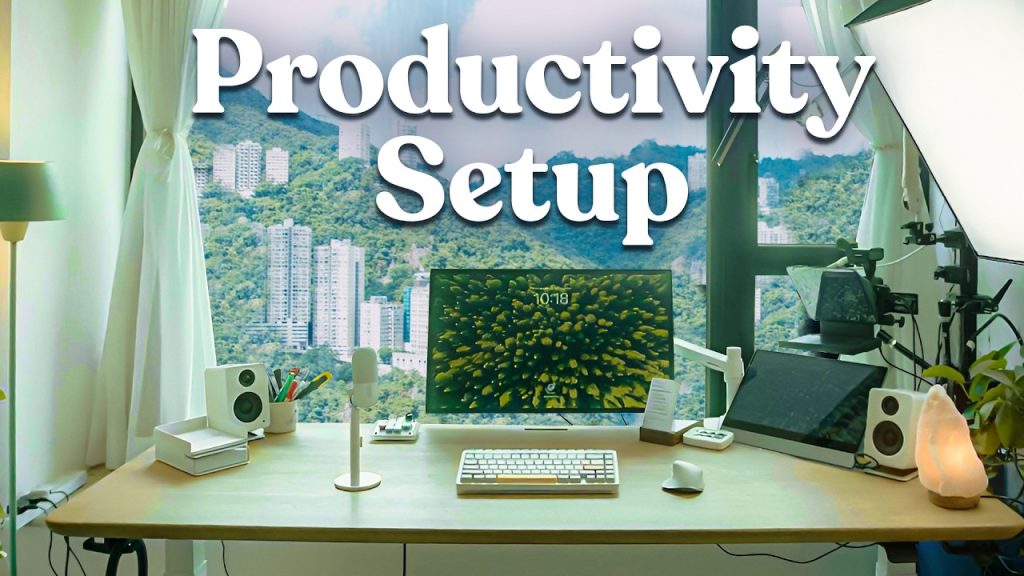
- Natural vs. Artificial Light: Whenever possible, prioritize natural light through large windows or skylights, as it has proven mental health benefits. For instance, many modern office designs incorporate open spaces with ample glass to maximize daylight exposure.
- Brightness Levels: The amount of light in your workspace is another important consideration. Insufficient brightness can lead to reduced concentration, while overly bright environments can cause glare and discomfort. Striking the right balance is key.
- Color Temperature: The color temperature of your lighting has direct implications on alertness and mood. Cool white light (above 4000 Kelvin) is often ideal for task-oriented activities, while warmer light (below 3000 Kelvin) creates a more relaxed environment.
By thoughtfully incorporating these elements into your workspace, you can create an environment that not only fosters productivity but also feels inviting and comfortable. Whether it’s redesigning your office layout to maximize natural light or investing in adjustable LED lights with changing color temperatures, the benefits are extensive. Delving deeper into how proper lighting influences productivity may inspire you to make meaningful changes that can illuminate your path toward a more effective work experience.
DISCOVER MORE: Click here to learn about the power of habit formation
Light as a Catalyst for Creativity
Understanding the role of proper lighting in the workspace goes beyond merely illuminating your surroundings; it’s about harnessing the potential to enhance creativity and innovation. Lighting shapes not just visibility, but the entire atmosphere in which ideas are born and executed. Research conducted by the American Society of Interior Designers reveals that 68% of employees believe that adequate lighting significantly boosts their ability to think creatively. The question is: how can you strategically use lighting to transform your workspace into a hub of inspiration?
Creating the Right Ambiance
The ambiance of your workspace can be dramatically altered with the right lighting techniques. For instance, consider the use of layered lighting. This involves combining three different types of lighting: ambient, task, and accent. Ambient lighting serves as the primary source of illumination, creating an overall brightness in the room. Task lighting focuses on workstations for specific activities—such as reading or writing—while accent lighting highlights particular areas, enhancing the aesthetic appeal and energy flow of the environment.
- Ambient Lighting: Utilize ceiling-mounted fixtures or walls painted in lighter colors to reflect and distribute light evenly throughout the room.
- Task Lighting: Invest in adjustable desk lamps or under-cabinet lights to direct illumination exactly where it’s needed, thus minimizing eye strain.
- Accent Lighting: Add decorative wall sconces or LED strips to create focal points that can energize or calm the atmosphere, depending on your needs.
Employing these three types of lighting not only enhances functionality but also creates a visually intriguing environment that can inspire creativity and focus. For example, a workspace infused with soft, warm light can foster a relaxed environment ideal for brainstorming sessions, while brighter, cooler light can stimulate energy for creative problem-solving.
Supporting Circadian Rhythms
Another consideration in lighting design is its impact on our circadian rhythms, the body’s natural clock that regulates sleep-wake cycles. Exposure to either too much blue light in the evening or insufficient natural light during the day can disrupt these rhythms, leading to fatigue and reduced productivity. Smart lighting systems that mimic natural daylight patterns can have beneficial effects, such as improving mood and boosting alertness throughout the day.
As more companies embrace flexible work arrangements, finding the right balance of light is essential in creating a workspace conducive to optimal performance. In fact, studies show that productivity can increase by up to 30% with the implementation of systems that control brightness and color temperature according to the time of day. By aligning your workspace lighting with natural light sources, you can enhance the daily workflow while maintaining employee engagement.
Incorporating these insights into your lighting strategy doesn’t just promote productivity; it can also create a more harmonious and enjoyable workspace. As you embark on the journey toward optimizing your environment, remember that the right light can be a transformative force driving both well-being and success.
Understanding the Impact of Lighting on Work Productivity
Lighting plays a crucial role in designing an efficient workspace, influencing not just aesthetics but particularly the productivity levels of an individual. Different lighting setups affect our mood, focus, and overall effectiveness in performing tasks. Studies show that improper or insufficient lighting can lead to fatigue, decreased concentration, and even health issues over time.
For instance, natural light has been linked to improved energy and enhanced cognitive performance. A workspace that allows ample daylight can improve morale and inform spatial orientation, helping employees feel more connected and engaged with their environment. On the contrary, harsh artificial lights can lead to discomfort, eye strain, and a general sense of unease. Thus, implementing the right balance of soft, diffused, and adjustable lighting can significantly transform how contentedly individuals operate.
Types of Lighting to Consider
When considering lighting solutions, there are several options to explore:
- Ambient lighting: This serves as the foundational light in a room, providing overall illumination.
- Task lighting: Designed to focus directly on work areas, this lighting helps in reducing strain while working on specific tasks.
- Accent lighting: Utilized to highlight key areas within the workspace, adding a personal touch while ensuring functionality.
| Lighting Type | Advantages |
|---|---|
| Natural Light | Boosts mood and enhances productivity significantly. |
| Task Lighting | Improves focus on detailed work with reduced eye strain. |
Incorporating these types of lighting into your workspace design not only increases efficiency but also promotes health and well-being. The transformation in productivity can lead to tangible outcomes, resembling far more than just a change in brightness.
DIVE DEEPER: Click here to learn about the benefits of natural lighting
The Impact of Color Temperature on Performance
Beyond just the brightness of the light, color temperature plays a pivotal role in determining how conducive a workspace is to productivity. Measured in Kelvin (K), color temperature ranges from warm tones around 2700K to cooler blue tones above 5000K. Research indicates that different tasks may require different types of light to enhance efficiency and focus. For instance, lighting within the 3000K range tends to evoke a feeling of warmth and intimacy, making it ideal for collaborative spaces, while higher temperatures, above 4000K, can invigorate the atmosphere, making it suitable for analytical tasks like data entry or detailed design work.
Utilizing dynamic lighting solutions that can adjust color temperature according to the time of day not only optimizes the workspace but also supports the body’s natural rhythms. The engagement with cooler light in the morning can kick-start productivity, simulating the invigorating effects of morning daylight, whereas warmer light in the afternoon can help ease the transition toward relaxation when the workday winds down. According to a study published in the Journal of Environmental Psychology, employees exposed to lighting that matched the natural light spectrum performed 23% better on cognitive tasks than those who worked in artificial light settings.
Emphasizing Health and Well-Being
Proper lighting also significantly influences the physical and mental health of employees. Poor lighting can lead to eye strain, headaches, and fatigue, which can adversely affect productivity and overall employee satisfaction. A survey conducted by the International Facility Management Association revealed that 45% of workers noted significant discomfort due to inadequate lighting. By investing in high-quality lighting fixtures that minimize glare and provide consistent lighting, businesses can enhance employees’ comfort levels, leading to fewer distractions and higher output.
In line with this, the integration of natural light into the workplace design is essential. Studies indicate that access to natural light can increase employee productivity by up to 15% and improves overall well-being. Open floor plans with large windows or even the strategic placement of mirrors to reflect light can create a sense of openness and connectivity with nature. This connection is paramount as it can reduce stress levels and improve focus, ultimately fostering a healthier workplace culture.
Smart Lighting Systems for Flexibility
As the trend of remote work and hybrid models continues to rise, the customization and flexibility of lighting have become more important than ever. Implementing smart lighting systems that allow employees to control brightness and color temperature at their workstations provides them the freedom to create their ideal working conditions. These systems not only enhance productivity but also engage employees in promoting their well-being by affording them a hand in the design of their workspace environment.
- Smart Sensors: Utilizing occupancy sensors and daylight-responsive controls can adjust artificial lighting based on natural light levels, optimizing energy usage while ensuring adequate illumination.
- Personalized Controls: Providing individual control of lighting allows employees to tailor their environments to their preferences, fostering a sense of empowerment and satisfaction.
- Adaptive Settings: Programs that adjust lighting settings based on time of day enhance focus during work hours and encourage relaxation during breaks.
Implementing smart lighting in the workplace isn’t just a trend; it’s a future-proof solution that aligns with the evolving needs of a diverse workforce. By prioritizing the integration of personalized lighting solutions, organizations can enhance productivity, creativity, and overall job satisfaction in a rapidly changing work environment.
DISCOVER MORE: Click here for effective strategies
Conclusion
In conclusion, proper lighting serves as a critical component in transforming workspaces and boosting productivity. As we’ve explored, the interplay of brightness, color temperature, and quality of light crucially impacts both cognitive performance and employee well-being. By leveraging dynamic lighting solutions and adapting to the natural rhythm of daylight, organizations can create environments that enhance focus and creativity. Investing in high-quality fixtures that minimize glare and facilitate the natural influx of light not only mitigates physical discomfort but also fosters a more engaged and motivated workforce.
The integration of smart lighting technologies, which allow for personalized adjustments based on individual preferences, underscores the shift towards a more flexible working environment that caters to diverse needs. This customization aligns perfectly with the evolving landscape of workspace designs, especially in an era that increasingly embraces hybrid models of work.
As businesses move forward, prioritizing proper lighting will not only elevate productivity levels but also cultivate a culture of health and satisfaction among employees. Companies that harness the potential of lighting as a strategic approach will likely find the benefits extend beyond enhanced performance; they will also contribute to a more holistic and innovative workplace. Therefore, leaders are encouraged to delve deeper into how lighting configurations can play a substantial role in shaping dynamic, productive, and healthier work environments.
Related posts:
How Office Design Affects Employee Motivation and Performance
Digital Tools to Maximize Organization and Productivity in the Workplace
The Importance of Natural Lighting in Optimizing the Workspace
The Impact of Ergonomics on Stress Reduction and Productivity Increase in Work Environments
The Influence of Acoustics on Comfort and Productivity in Work Environments
The Importance of Natural Light in Optimizing Workspaces

Linda Carter is a writer and productivity and personal organization specialist focused on helping readers build better routines, manage their time, and stay on top of daily priorities. With experience covering practical planning methods, habit-building strategies, and tools for organization, Linda shares actionable guidance on our platform. Her goal is to empower readers with clear, realistic tips to work smarter, reduce overwhelm, and stay consistent over time.