
Developing Logical Reasoning Skills Through Board Games

Exploring the Cognitive Benefits of Board Games
Board games have long served as a source of entertainment, but their impact transcends mere fun. They act as remarkable tools for developing logical reasoning skills. By engaging with these games, players enhance their critical thinking capabilities and sharpen their decision-making skills, which are essential in everyday life. Evidence suggests that these benefits apply to individuals across various age groups, from young children to seasoned adults.
Here are some intriguing aspects of how board games cultivate logical reasoning:
- Strategic Thinking: Many traditional and modern board games, like chess and Settlers of Catan, require players to anticipate their opponents’ moves and plan their strategies several steps ahead. This component of foresight encourages players to think critically about the consequences of their actions, ultimately enhancing their ability to navigate complex scenarios in real-life situations.
- Problem-Solving: Board games often introduce challenges that necessitate quick thinking and innovative solutions. For instance, in cooperative games such as Pandemic, players must work together to devise strategies to address an impending global crisis, reinforcing the importance of teamwork and creative problem-solving under pressure.
- Risk Assessment: Whether it’s analyzing the potential dangers of landing on an opponent’s property in Monopoly or weighing the advantages of making a bold move in Risk, players learn to assess risks effectively. This skill is invaluable in financial planning, personal relationships, and career decisions, where weighing potential rewards against possible drawbacks is crucial.
Beyond cognitive skills, the social interaction inherent in board games enriches the learning experience. Playing these games fosters collaboration and communication, as players share insights and strategies. For example, family game nights can catalyze meaningful discussions among family members, strengthening bonds while enhancing individual perspectives.
The vast selection of board games available today caters to a wide array of interests and skill levels. From the strategic battles of chess to the immersive experiences offered by modern board games like Gloomhaven, there is something for everyone. Each game presents a unique set of challenges, further enhancing the cognitive benefits derived from gameplay.
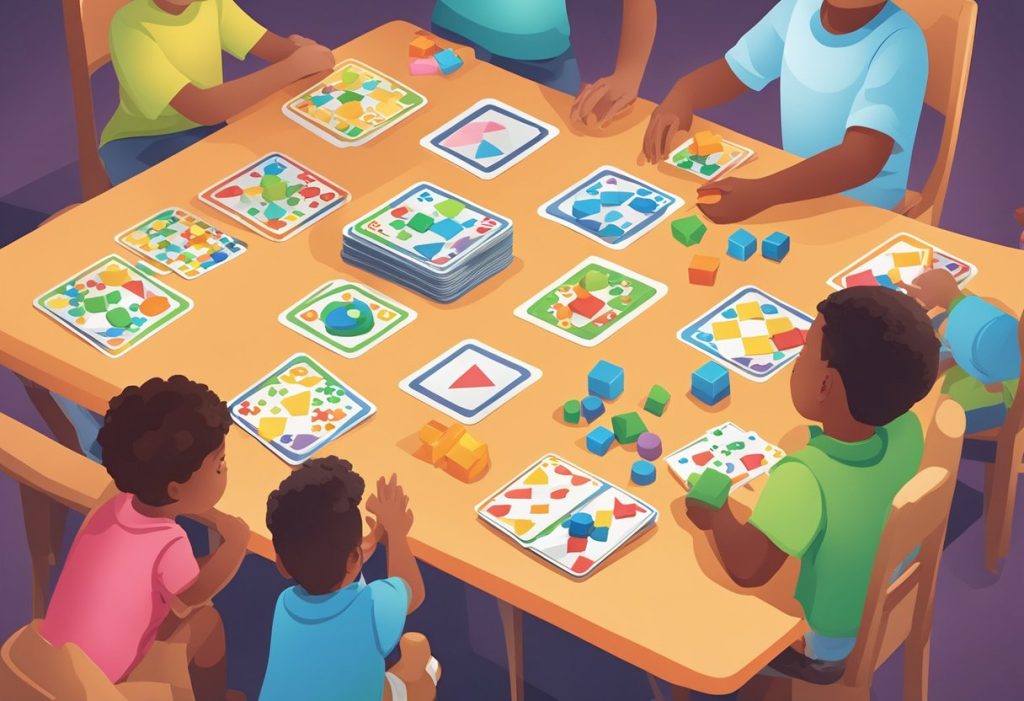
Incorporating board games into your routine not only improves cognitive abilities but also provides an enjoyable way to connect with family and friends. As you explore this engaging world, you may discover that the skills acquired during gameplay can positively impact numerous areas of life, including academic performance, workplace efficiency, and personal relationships. The next time you pull out a board game, remember that you are not just having fun; you are exercising your mind and honing skills that will serve you well throughout your life.
DISCOVER MORE: Click here to learn about the impact of age on mental agility
Unlocking the World of Strategy and Thinking
In the realm of board games, the fusion of fun and cognitive development reveals a fascinating landscape of opportunities for enhancing logical reasoning skills. At the heart of this exploration lies the idea that games are not just a way to pass the time; they are intricate puzzles that challenge and develop our mental faculties. The complexity of many board games compels players to engage in a cycle of analysis, strategy formulation, and critical evaluation, which are crucial components in the art of reasoning.
One of the most compelling aspects of board games is their ability to foster an environment rich in strategic thinking. Players must often look beyond their immediate moves and consider a range of potential outcomes. For example, in games like chess, each piece has its unique capabilities, and understanding how to leverage these abilities against an opponent requires not just foresight but also a deep understanding of patterns and tactics. The skills honed through such strategic play translate easily into real-world applications, from making informed decisions in business to anticipating challenges in personal relationships.
Furthermore, board games serve as a training ground for problem-solving. Consider the cooperative game Pandemic, where players must work as a unified team to stave off global outbreaks. This dynamic encourages players to think creatively and collaboratively, showcasing the importance of finding innovative solutions in high-pressure situations. The ability to assess scenarios collectively and make quick, effective decisions can have profound implications in everyday life, where teamwork is often essential.
Additionally, engaging in board games offers a practical approach to risk assessment. Titles such as Monopoly challenge players to contemplate not only the acquisition of properties but also the ramifications of each financial decision made along the way. Understanding the balance between risk and reward becomes second nature, equipping players with the necessary skills to evaluate risks in fields like investment, career moves, and personal finance. This foundational knowledge placed within an entertaining context makes the learning process both effective and enjoyable.
To further illustrate the cognitive benefits of board games, here are several key skills that players develop through their gameplay:
- Analytical Thinking: Players learn to dissect problems and evaluate different solutions.
- Adaptability: Games often change course unexpectedly, requiring players to adjust their strategies on the fly.
- Decision-Making: Evaluating the best course of action while considering both short- and long-term consequences enhances decisiveness.
- Interaction Skills: Managing relationships with other players enhances emotional intelligence and the ability to negotiate.
As board games continue to evolve, their ability to cultivate logical reasoning remains a timeless benefit. Engaging with these games is not merely a nostalgic pastime; it is a gateway to developing crucial cognitive skills. Players of all ages find themselves immersed in thrilling challenges that sharpen their minds and empower them to face real-life obstacles with confidence and creativity. By incorporating board games into their lives, individuals can transform play into an enlightening and skill-building experience.
| Advantage | Description |
|---|---|
| Enhanced Critical Thinking | Board games encourage players to analyze situations, make decisions based on facts, and evaluate outcomes. |
| Social Interaction and Teamwork | Many board games require collaboration, promoting verbal skills and the ability to negotiate and persuade while strategizing. |
Developing logical reasoning skills through board games is not only beneficial for children but also for adults. Engaging in these activities provides players an opportunity to practice problem-solving in a fun and interactive environment. Games like chess and Settlers of Catan challenge individuals to think several moves ahead, fostering foresight and anticipation. Moreover, the aspect of competition can ignite a passion for learning, where players are motivated to hone their skills to outperform opponents. Interestingly, studies have shown that regular participation in strategic board games can lead to improved cognitive abilities, including heightened memory and concentration skills. Additionally, the variety of games available today means that there is something to suit every interest and skill level, making it easier for families and friends to engage with each other, reinforcing bonds through cooperative and competitive play alike.
DISCOVER MORE: Click here to enhance your problem-solving skills
The Cognitive Benefits Beyond the Game Board
The cognitive benefits derived from board games extend well beyond the immediate gameplay experience, bolstering a wide range of logical reasoning skills that players can apply in their daily lives. For example, strategic games such as Settlers of Catan require players to engage in resource management and long-term planning. As players navigate the challenges of building settlements and forging trade relationships, they must weigh the implications of their choices on future turns. This practice of foresight not only strengthens decision-making capability but also encourages a thoughtful consideration of both individual and collective goals.
Another critical area wherein board games contribute to developing logical reasoning is through enhanced pattern recognition. Games like Ticket to Ride require players to recognize routes and patterns to maximize their potential for points. This level of scrutiny promotes an acute awareness of underlying structures within the game that often parallels real-world scenarios, whether it be in data analysis in professional settings or even understanding social dynamics. The mental exercise involved in discerning these patterns sharpens analytical abilities that are transferable across multiple contexts.
Additionally, many board games incorporate elements of probability and statistics, often without players even realizing it. For instance, games like Risk introduce an inherent chance factor where players must contemplate the probability of winning battles based not only on the tactics employed but also on the randomness of dice rolls. This immersion in probability allows players to develop a greater grasp of statistical significance and risk assessment, translating these skills to issues such as investment strategies or market analysis in everyday financial decisions.
Board games also offer a valuable avenue for exploring ethical reasoning. Take the game Diplomacy, for instance. Players are not only engaged in strategic conquests but must also navigate the complexities of trust and betrayal. This interplay between camaraderie and competition requires individuals to ponder the consequences of their actions, challenging them to consider moral implications in a simulated environment. Such moral contexts foster debates and discussions that can lead to profound insights, especially when players articulate their thought processes, enhancing their communication and reasoning capabilities.
Moreover, the social nature of board games amplifies their cognitive benefits. As players interact, they cultivate essential soft skills such as empathy and negotiation. For example, playing games like The Resistance or Codenames requires players to communicate their intentions and motivations effectively to succeed, while also interpreting the subtle cues of other players. These social interactions promote critical listening, which is vital for developing a nuanced understanding of different perspectives, ultimately enriching one’s logical reasoning.
There are countless variations and complexities within the world of board games, each offering unique lessons that refine logical reasoning. They foster an environment where failure is not penalized but seen as an opportunity for growth, establishing resilience in players. Whether it’s an afternoon with family or an evening tournament with friends, engaging in board games is a holistic developmental tool that positions players to thrive beyond the confines of the game board.
DIVE DEEPER: Click here to explore the impact of logic games on analytical thinking
Conclusion: A Game-Changing Approach to Logical Reasoning
As we’ve explored, the realm of board games is not merely a source of entertainment; it serves as a powerful vehicle for developing logical reasoning skills. Through engaging gameplay, individuals are presented with myriad opportunities to refine skills such as strategic thinking, pattern recognition, and risk assessment. These cognitive benefits translate seamlessly into real-life applications, equipping players with tools necessary for decision-making across various situations, whether in personal affairs, academia, or the workplace.
The social dynamics of board games further enhance these cognitive exercises by fostering essential interpersonal skills. Players not only learn to evaluate situations critically but also navigate the complexities of communication, trust, and ethics. Enriching discussions that arise from contentious gameplay contribute to a deeper understanding of diverse perspectives, ultimately sharpening ethical reasoning and enhancing emotional intelligence.
Moreover, as we encourage family and friends to gather around the table for a night of strategic play, we also reaffirm the value of community and collaboration in learning. With each roll of the dice and every tactical decision, players build resilience and adaptability, essential traits for today’s evolving landscape. Thus, in the embrace of board games, we discover a unique and engaging approach to honing our logical reasoning abilities—one move at a time.
As you consider embracing board games as a developmental tool, let us remember: every game played is an opportunity for growth. Dive into the world of strategy, creativity, and logic, and witness how these experiences can significantly enhance your reasoning skills and prepare you for the challenges ahead.
Related posts:
Exploring Logical Reasoning in Digital Games: Challenges and Benefits
Challenges of Logical Reasoning: How Puzzles Stimulate Creativity and Logic
The Importance of Logical Reasoning in Solving Puzzles
The Role of Logical Reasoning in Mathematical Puzzles and its Practical Application
The Intersection between Logical Reasoning and Strategy in Card Games
How Logic Games Can Enhance Emotional Intelligence and Resilience

Linda Carter is a writer and puzzle expert specializing in mind games, brain teasers, and cognitive challenges. With extensive experience helping individuals enhance their problem-solving skills and think critically, Linda shares her knowledge on our platform. Her goal is to empower readers with practical advice, engaging puzzles, and strategies to sharpen their minds and achieve success in the captivating world of mind games and puzzles.