The Influence of Age on Mental Agility: How Mind Games Adapt Across Generations
The Influence of Age on Mental Agility
In a society that increasingly prizes mental agility, it is vital to understand how cognitive functions are affected by age. Traditionally, many have assumed that mental sharpness declines as one grows older; however, emerging research unveils a more complex interaction between age and cognitive skills, suggesting that mental agility can manifest differently across life stages. For instance, mind games serve as insightful tools to observe these cognitive shifts and adaptations among various generations.
Key Factors to Consider
- Cognitive Flexibility: Younger individuals often exhibit superior cognitive flexibility, enabling them to make rapid decisions and adapt to changing circumstances. This is evident in fast-paced video games, where quick reflexes and in-the-moment strategy can make all the difference during gameplay.
- Experience: In contrast, older adults typically draw from a wealth of life experiences, which enhances their ability to excel in strategy-based games such as chess or bridge. Their familiarity with varied scenarios helps them make calculated moves that younger players might overlook.
- Learning Styles: The manner in which different generations approach learning and technology also influences their cognitive abilities. While older players may prefer hands-on tutorials or face-to-face interactions, younger players are often more inclined to learn through online platforms or tutorials.
As we explore various games like chess, bridge, and contemporary video games, it becomes evident that age shapes not only strategic thinking but also distinct problem-solving methodologies. Each generation contributes unique strengths to the gaming landscape:
- Baby Boomers: Often gravitate towards traditional games such as classic board games that emphasize patience and strategic depth. This demographic values the social aspects of gaming, often playing in groups to foster interpersonal connections.
- Generation X: Seeks a harmonious blend of strategy and technology, enjoying both timeless classics and digital gaming formats. They often take on roles of mentorship, bridging the gap between old and new gaming styles.
- Millennials and Gen Z: Favor fast-paced, high-action games that challenge their adaptability and quick-thinking abilities. Titles such as Fortnite or Among Us exemplify their preference for multiplayer interaction and the need for rapid decision-making.
Recognizing these generational distinctions not only underscores the evolution of mind games but also promotes a collaborative approach to cognitive enhancement. Each age group contributes uniquely precious skills, enriching the discourse surrounding mental agility. By understanding these dynamics, we invite readers to explore how age not only shapes but also diversifies our interaction with cognitive challenges. As the conversation evolves, it becomes increasingly important to appreciate how different ages can come together to foster growth, learning, and ultimately lifelong mental sharpness.
DISCOVER MORE: Click here to unlock the secrets of memory enhancement
Generational Shifts in Gaming Preferences
As we delve deeper into the influence of age on mental agility, it becomes apparent that each generation exhibits distinct gaming preferences, shaped by prevailing social contexts and technological advancements. Understanding these preferences provides valuable insights into how cognitive strategies evolve and adapt over time. For example, while traditional games like chess have long been regarded as a hallmark of strategic thinking, the emergence of digital platforms has transformed the landscape, appealing to younger generations who yearn for engagement and rapid mental processing. This evolution underscores a critical dialogue about how mind games can act as mirrors, reflecting the cognitive strengths and weaknesses of different age groups.
The Shift from Traditional to Digital
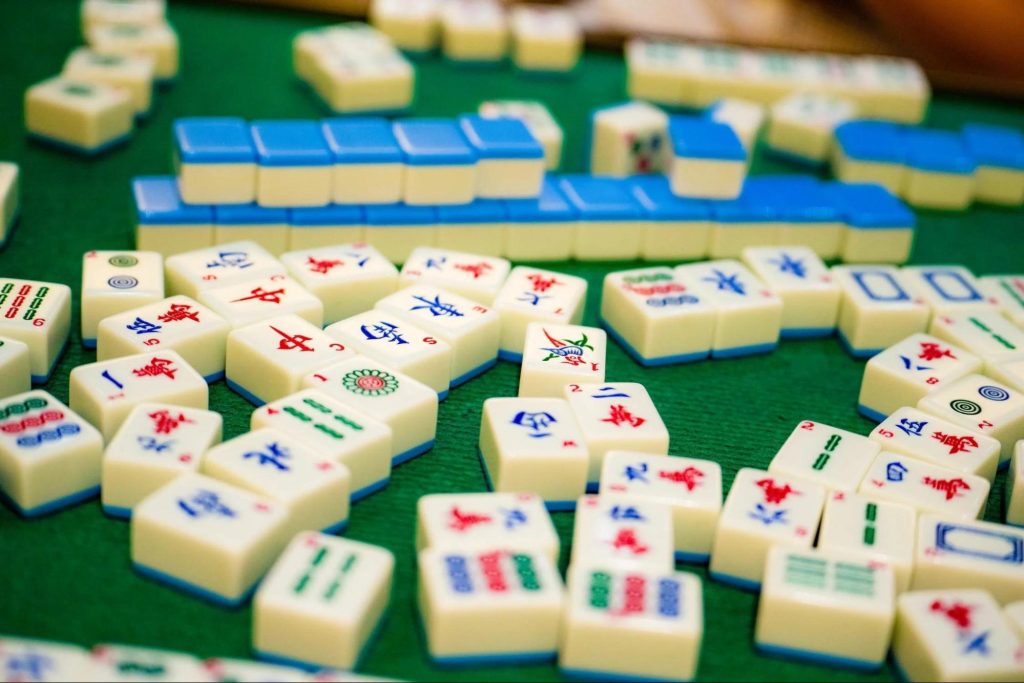
In the realm of traditional games, Baby Boomers illustrate a strong connection to formats that emphasize strategy and patience. As they engage in games such as chess and bridge, their approach tends to focus on long-term planning and multi-step problem solving, leveraging years of experience to guide their decisions. Their playstyle often revolves around interactive, face-to-face environments, further enhancing their social connections.
In contrast, Generation X is often seen straddling the line between traditional and digital gaming. They tend to embrace games that combine classic elements with modern technology. Titles that blend strategy with interactive components, like Settlers of Catan, have gained immense popularity in this cohort. This unique position allows them to serve as bridge-builders, mentoring younger players while also appreciating the games that shaped their youth.
The landscape changes once again with Millennials and Generation Z, whose gaming preferences lean heavily toward fast-paced, high-energy competitions. Evidence suggests that the rapid digital revolution has influenced their cognitive functioning, allowing them to excel in games that require quick thinking and adaptability. Whether navigating virtual battlefields in games like Call of Duty or participating in complex social dilemmas in Among Us, these younger players display a remarkable ability to process multiple streams of information, showcasing strong reflexes and quick decision-making skills.
- Baby Boomers: Generally prefer strategic games that emphasize patience and critical thinking. Their connection to traditional board games enables them to leverage experience and relational skills.
- Generation X: Act as the bridge between the past and the present, appreciating games that merge classic strategy with modern mechanics, often taking mentorship roles with younger gamers.
- Millennials and Gen Z: Thrive in fast-paced, digitally immersive games that stimulate rapid decision-making and teamwork, reflecting their adaptability in a tech-driven world.
This generational landscape of gaming not only highlights the stark contrasts in play styles but also serves as a testament to the varying degrees of mental agility fostered by different experiences. By mapping out these preferences, we uncover a richer understanding of how mind games can both reflect and shape cognitive development across age groups. The next step is to explore how these insights can foster intergenerational collaboration, enhancing mental agility for players of all ages.
The Evolution of Mind Games Across Age Groups
As we delve deeper into the topic of mental agility and age, it’s essential to recognize how different generations adapt to various mind games. The evolution of these games reflects not just changes in technology, but also shifts in cognitive abilities and learning styles. Older generations may prefer traditional board games like chess or bridge, which challenge strategic thinking and memory. These games promote interpersonal connections, often serving as social gathering tools, thereby enhancing cognitive engagement through shared experiences.In contrast, younger generations gravitate towards digital platforms, engaging in fast-paced video games that require quick reflexes and problem-solving skills. These games, often rich in visual and auditory stimuli, may improve reaction times and attention spans. For instance, studies indicate that action video games can enhance visual processing and multitasking abilities. Moreover, generational shifts in mental engagement reveal that while older adults benefit from games that exercise memory and reasoning, younger players thrive in environments that cultivate rapid decision-making and technological adaptation. This divergence illustrates how age influences not just the choice of games, but also the mental skills that these games refine. Integrating mind games into daily routines can significantly impact cognitive health at any age. Emphasizing the enjoyment of these activities may promote lifelong learning and engagement, making it more than just a pastime but rather a vital component of mental fitness.
| Category | Advantages |
|---|---|
| Traditional Games | Facilitate social interaction and enhance memory skills. |
| Digital Games | Improve reaction time, multitasking, and cognitive flexibility. |
DIVE DEEPER: Click here to uncover more insights
The Role of Cognitive Strategies in Different Generations
The cognitive strategies employed in mind games offer fascinating insights into how mental agility varies across generations. While gaming preferences distinctly highlight age-related shifts, the underlying cognitive methodologies reveal how players adapt their thinking to their environments and experiences. Each generation brings its own cognitive strengths to the table, reflected in how they approach challenges within games.
Mind Games as Cognitive Exercises
Research indicates that engaging in mind games serves as a form of cognitive exercise, sharpening problem-solving skills and enhancing memory. For instance, studies have shown that older adults who regularly play games like Sudoku and crossword puzzles exhibit improved cognitive function compared to their non-gaming counterparts. These games emphasize pattern recognition and vocabulary enhancement, allowing Baby Boomers to utilize their rich life experiences effectively and keep their minds sharp.
Conversely, Millennials and Gen Z demonstrate a tendency to gravitate toward more complex, multi-layered gaming experiences such as Fortnite and League of Legends. These games require not only quick reaction times but also strategic team collaboration and conflict resolution skills. By intertwining these elements, younger players often experience a dynamic form of cognitive development that mirrors the fast-paced, ever-changing technological landscape of their upbringing. The ability to focus on multiple tasks simultaneously showcases an adaptability that is crucial in today’s world.
- Baby Boomers: Benefit from games that enhance cognitive function through leisurely, thought-provoking activities, tapping into their life experiences to inform decision-making.
- Generation X: Utilize their unique position to engage with games that incorporate elements of both strategy and real-time decision-making, fostering adaptability in their cognitive processes.
- Millennials and Gen Z: Thrive on immersive experiences that challenge their quick-thinking capabilities while promoting collaboration, ultimately enhancing their cognitive flexibility.
This divergence in cognitive strategies underlines a broader trend: as mind games evolve, they serve as tools not just for entertainment but also for cognitive growth. In fact, research from the American Psychological Association suggests that regular engagement with mind games can combat cognitive decline and foster mental resilience across all age brackets. Older adults can benefit from the swift reasoning skills exhibited by younger players, while younger generations can glean wisdom from the patience and foresight practiced by their elders.
The Interplay of Technology and Mental Agility
The surge in mobile gaming and online platforms plays a pivotal role in how mind games shape cognition across generations. Digital solutions like brain-training apps and online board games facilitate not only solitary practice but also enhance social connectivity among players of all ages. For example, applications such as Lumosity and Peak offer tailored cognitive challenges that allow Baby Boomers to engage in brain training at their own pace while encouraging socialization through family and friends.
Moreover, the phenomenon of streaming platforms like Twitch allows players from various generations to share game strategies and insights in real-time. This knowledge exchange fosters an environment conducive to learning and adaptation, enabling all players to enhance their mental agility by observing best practices and unique approaches. Thus, as technology continues to weave itself into the fabric of mind games, it bridges generational gaps, nurturing an evolving landscape where cognitive capabilities can flourish.
In conclusion, the role of cognitive strategies in mind games illustrates not only differences in age but also the adaptive nature of mental agility across generations. As we continue to explore this fascinating field, the potential for intergenerational learning and collaboration remains vast, promising richer and more engaging experiences for players of all ages.
DISCOVER MORE: Click here to delve deeper
Conclusion
In summary, the exploration of mental agility and its intricate relationship with age reveals a rich tapestry of cognitive development shaped by generational influences. The engagement in mind games acts as a vital stimulus for enhancing cognitive capacities across demographics. While older generations like Baby Boomers benefit from leisurely problem-solving activities that draw upon a wealth of life experiences, younger generations, including Millennials and Gen Z, thrive on complex, fast-paced gaming environments that foster quick thinking and collaboration.
The incorporation of technology into these mind games has further revolutionized cognitive training, creating a more inclusive and intergenerational platform for growth. Digital applications and streaming services facilitate a shared learning experience where players can glean insights from each other, enhancing their skills through a diverse array of perspectives. This reciprocal learning environment holds significant potential for bridging gaps between generations, fostering mental resilience that can transcend the challenges posed by aging.
As research continues to illuminate the connections between age and cognitive agility, we are reminded of the importance of adaptability and lifelong learning. Encouraging the participation of individuals across various age groups in mind games not only enriches their cognitive abilities but also strengthens intergenerational bonds. This combined effort may ultimately lead to a more engaged and cognitively vibrant society. As we stand on the cusp of further advancements in gaming technologies, the persistent dialogue between age and mental agility will undoubtedly continue to evolve, inviting players of all generations to be active participants in this exciting journey.
Related posts:
Gamification of Learning: Enhancing Mental Agility Through Interactive Puzzle-Based Education
Virtual Reality Puzzles: Revolutionizing Mental Agility Training in the Digital Age
Puzzles as Tools for Developing Problem-Solving Skills: A Path to Mental Agility
The Role of Language Games in Enhancing Mental Agility: A Linguistic Perspective
The Psychological Benefits of Mind Games: Fostering Resilience and Adaptability Through Puzzles
Using Escape Rooms as a Fun Approach to Enhance Team Mental Agility and Collaboration

Linda Carter is a writer and puzzle expert specializing in mind games, brain teasers, and cognitive challenges. With extensive experience helping individuals enhance their problem-solving skills and think critically, Linda shares her knowledge on our platform. Her goal is to empower readers with practical advice, engaging puzzles, and strategies to sharpen their minds and achieve success in the captivating world of mind games and puzzles.