Gamification of Learning: Enhancing Mental Agility Through Interactive Puzzle-Based Education
The Transformative Role of Gamification in Education
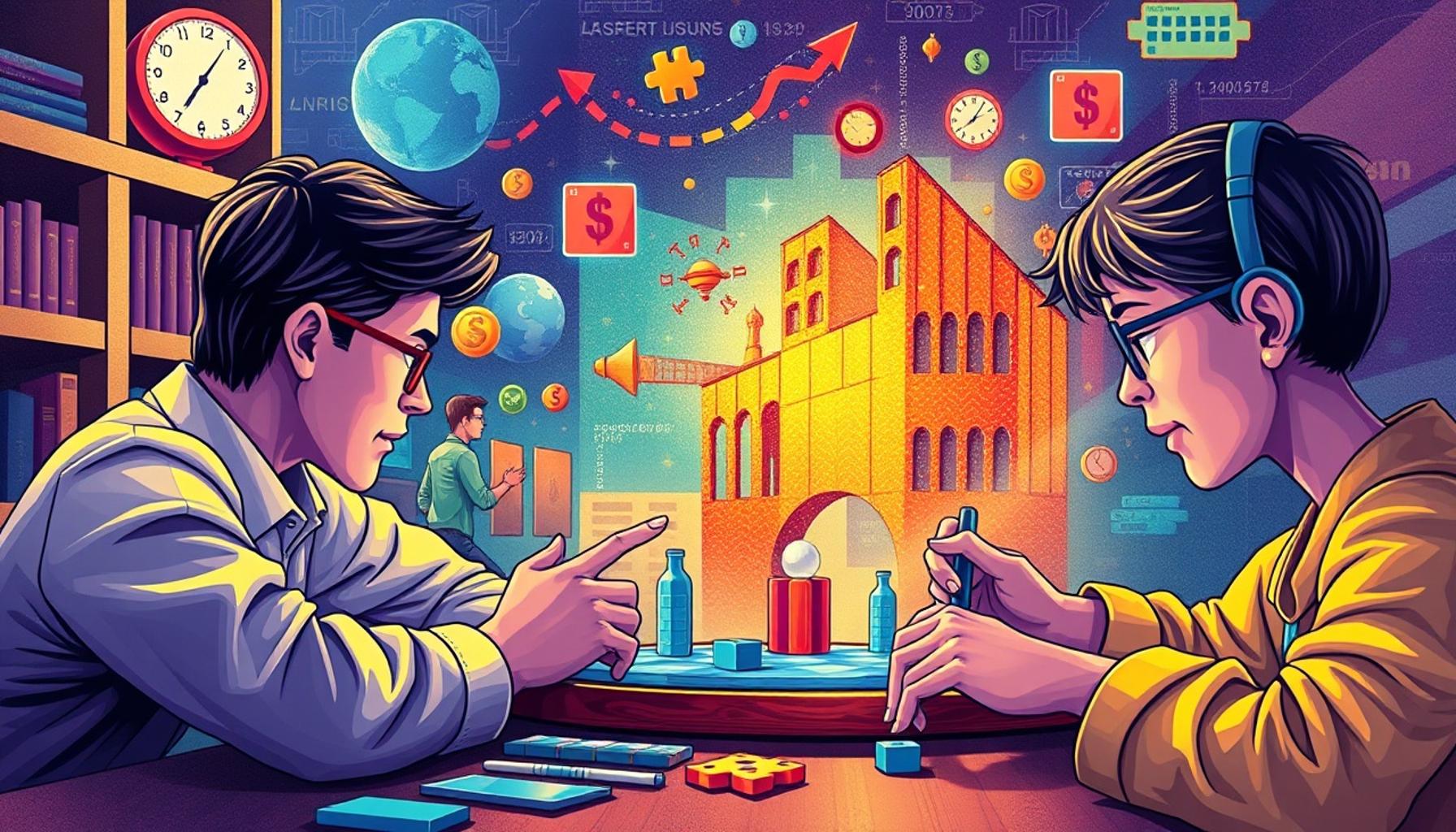
In a world where traditional teaching methods are rapidly being redefined, the advent of gamification has emerged as a revolutionary approach to learning. By blending game mechanics with educational processes, instructors are discovering fresh ways to engage students. This not only makes learning more captivating but also significantly enhances their mental agility.
One innovative spin on this approach is the use of interactive puzzle-based education. Unlike conventional methods, which tend to be passive and monotonous, puzzle-based learning actively involves students, prompting curiosity while reinforcing critical thinking skills. This methodology aligns perfectly with the cognitive development goals educators strive to achieve. Here’s a closer look at how puzzle-based learning benefits today’s learners:
- Engagement: When students participate in games, learning transforms from a chore into a fun experience. For instance, mathematics can be taught through competitive puzzle-solving, encouraging students to work together while actively participating in their education.
- Skill Development: Engaging with puzzles fosters essential problem-solving techniques and enhances analytical thinking. By navigating challenges within a game, students learn to think outside the box, an essential skill for real-world applications.
- Immediate Feedback: The interactive nature of puzzle-based learning allows players to receive instant responses regarding their decisions and problem-solving strategies. This not only empowers students but also nurtures a growth mindset, where they view mistakes as opportunities for learning and improvement.
Through the integration of playful elements into the learning environment, educators are transforming traditional classrooms into vibrant hubs of inquiry and discovery. Numerous researchers have highlighted that gamified learning leads to increased retention rates and enhancements in academic performance. For example, studies indicate that students exposed to gamified curricula scored up to 30% higher on assessments than their non-gamified peers, illustrating the potent impact of these techniques.
Notably, reports show that over 60% of American educators are now embracing some form of gamification, whether through specialized apps or innovative classroom activities. As these methods gain traction, it becomes crucial to understand their influence on mental agility and overall student achievement. In today’s digitally driven age, relying solely on traditional teaching practices may not suffice; educators must continually adapt to meet the needs of a new generation of learners.
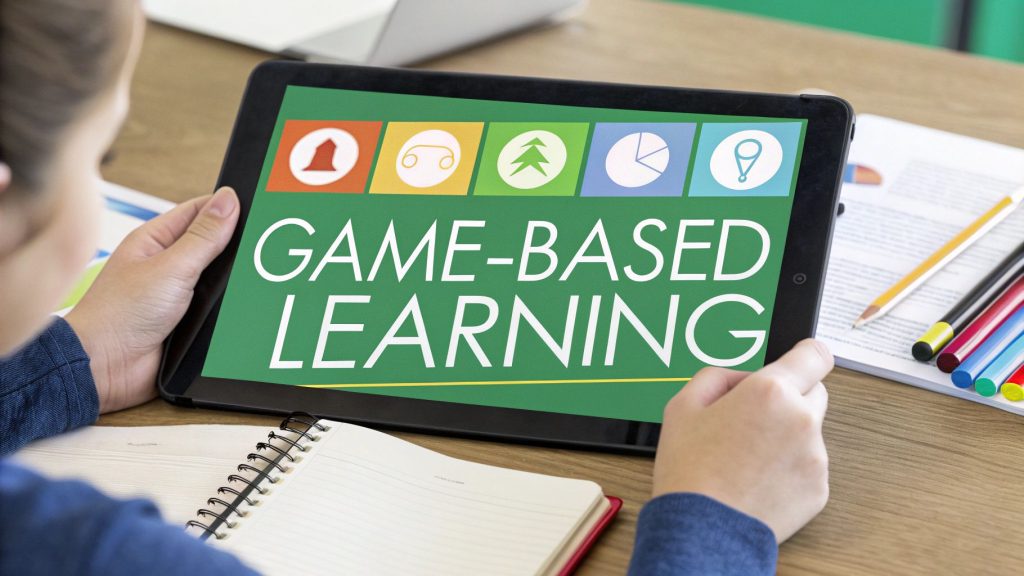
This article will delve deeper into the fundamental principles of puzzle-based education and explore its implications for the future of learning. As we navigate this transformative era, we invite readers to consider the importance of integrating play into educational frameworks and the potential benefits it holds for student engagement and success.
DISCOVER MORE: Click here to learn how strategy games enhance critical thinking
Unlocking Potential: The Mechanics of Puzzle-Based Learning
The essence of puzzle-based learning lies in its unique ability to captivate students while unraveling complex concepts through engaging challenges. By immersing learners in environments where they must think critically and creatively, educators can enhance mental agility and foster a love for learning that transcends traditional classrooms. The gamification of education is not merely a trend; it represents a shift in how students interact with knowledge and skills.
At the core of this approach is the realization that the human brain thrives on puzzles and games. Cognitive scientists reveal that problem-solving stimulates various brain regions, encouraging neuroplasticity—the brain’s ability to reorganize itself by forming new connections throughout life. This is pivotal, as it lays the foundation for enhanced critical thinking and adaptability, which are necessary skills in an ever-evolving world.
Incorporating puzzles into educational curricula serves several vital purposes, including:
- Motivation: Gamified elements such as scores, levels, and rewards create a sense of achievement. When students are faced with a challenging math puzzle, the gamified approach allows them to experience the thrill of the challenge rather than viewing it as a mere academic requirement.
- Collaboration: Many puzzle-based learning experiences require teamwork, fostering collaboration among peers. This not only builds cohesiveness but also teaches students to respect diverse perspectives and approaches to problem-solving.
- Exploration: Interactive puzzles encourage students to explore different strategies and solutions. This inquiry-based learning nurtures their innate curiosity, allowing them to make discoveries independently and rooted in real-world contexts.
Data supports the efficacy of puzzle-based learning: a study conducted by the Education Development Center found that students using gamified learning strategies outperformed traditional learners on assessments and displayed significantly higher levels of retention for course material. This advancement can be attributed to their engagement in active problem-solving, which solidifies a deeper understanding of the subject matter.
Moreover, effective integration of puzzle-based education goes beyond the immediate benefits of engagement and retention. As students continually tackle diverse challenges, they are also developing resilience—an essential trait for navigating life’s academic and personal hurdles. The growth mindset promoted by such educational practices encourages learners to view failures as integral to their success rather than as setbacks. This opens the door to improved self-efficacy and long-term motivation.
With the increasing demands of modern education, educators are recognizing the significance of mental agility not just for academic success but for preparing students for a complex, dynamic world. Puzzle-based gamification naturally aligns with these educational goals, appealing to a wide range of learners, including digital natives who find interactive platforms more engaging than traditional textbook methodologies. As such, the call to action is clear: educators must embrace and innovate within the framework of puzzle-based learning to meet the profound challenges of contemporary education.
Gamification and Engagement in Learning
The integration of gamification in education facilitates a transformative learning experience that captivates students. By incorporating interactive elements such as puzzles and challenges, learners are encouraged to actively participate in their educational journeys. This shift from passive learning to an engaging, hands-on approach enhances mental agility, driving creativity and critical thinking.
The Role of Interactive Puzzles
Interactive puzzle-based education serves as an efficient method to boost cognitive skills. Not only do puzzles stimulate problem-solving abilities, but they also enhance memory retention. When learners wrestle with complex puzzles, they naturally develop a robust set of mental tools. Research indicates that frequent engagement with such activities can double the rate of cognitive growth compared to traditional methods.
Fostering Collaboration Among Peers
Gamification also promotes teamwork and collaboration among peers. Group puzzles allow students to engage in discussions, sharing diverse perspectives on problem-solving strategies. This social aspect of learning can lead to improved communication skills and a deeper understanding of the subject matter being tackled. Such interactions not only foster relationships among students but create a sense of community, which is essential for effective learning.
The Impact of Rewards and Recognition
Incorporating a rewards system within the gamified learning process can significantly motivate students. By providing badges, leaderboards, and other recognitions, educators can cultivate a competitive spirit that drives students to put forth their best effort. This can result in higher academic performance and increased motivation to explore new subjects and challenges.
| Category | Description |
|---|---|
| Motivation | Gamification enhances student motivation by turning learning into an engaging game. |
| Mental Agility | Interactive puzzles foster critical thinking and mental flexibility. |
The vast potential of gamification in education not only equips students with essential skills but also transforms their learning experiences into enjoyable and fulfilling endeavors. As educators continue to explore innovative methods to engage students, the impact of interactive puzzle-based education remains a compelling focal point worth examining further.
DISCOVER MORE: Click here to learn how strategy games enhance critical thinking
Navigating the Future: The Broader Impact of Gamified Learning
As we delve deeper into the gamification of learning, it’s essential to acknowledge its broader implications beyond classroom settings. The rise of online platforms, such as Kahoot! and Quizizz, represent just a fraction of the expanding ecosystem where interactive and puzzle-based learning can flourish. These digital environments not only bring the excitement of games into education but also allow for widespread accessibility. Students from diverse geographical regions and backgrounds can equally engage in enriching experiences that stimulate their mental agility and promote a more equitable learning landscape.
Furthermore, recent advances in artificial intelligence and machine learning technology have the potential to personalize the puzzle-based learning experience. Tailored challenges that adapt to each student’s skill level can be created, ensuring that learners are constantly stimulated and properly challenged. For instance, platforms can analyze a student’s responses in real-time and present puzzles that address their weaknesses while reinforcing their strengths. This adaptive learning model is particularly effective for students with varying cognitive abilities, revealing that the benefits of gamified learning transcend mere fun and engagement; they also pave the way for individualized educational approaches.
Beyond cognitive advancement, puzzle-based learning also addresses social-emotional learning (SEL). It has been established in numerous studies that interactive and collaborative environments increase student engagement, allowing for improved communication and relationship-building among peers. Games that require teamwork foster a sense of belonging, enabling students to share ideas and support each other while navigating complex puzzles. A study by the Collaborative for Academic, Social, and Emotional Learning (CASEL) found that SEL-focused initiatives significantly improve students’ capability to manage emotions, resolve conflicts, and set positive goals—skills that are invaluable in both academic and real-world contexts.
Moreover, the gamification of learning encourages students to develop critical digital literacy skills crucial for the contemporary job market. With many global industries emphasizing innovation and creative thinking, students who engage in puzzle-based challenges are more likely to become adept at computational thinking—essential for programming, data analysis, and more. According to a report from the Deloitte Insights, companies now prioritize candidates with complex problem-solving skills. Thus, the puzzle-based learning framework equips students not just for today’s educational challenges, but for the future workforce.
The ramifications of puzzle-based education extend to educators as well, providing them with new, creative avenues for pedagogical approaches. Teachers are beginning to recognize that incorporating gamification into their lesson plans enhances their teaching methodologies, thereby elevating the learning experience. Innovative educators are sharing their successes in implementing interactive puzzles in resources like TED-Ed or through teacher collaborative platforms such as Edutopia and Teachers Pay Teachers. These communities foster an environment of growth and continuous professional development, where educators can share best practices and learn from each other’s experiences in the realm of gamified education.
With the strong potential of puzzle-based learning to forge connections, reduce barriers, and foster holistic development, the momentum towards a gamified educational paradigm is palpable. This ongoing revolution signals not just a change in how we learn, but also a redefinition of educational success itself—moving from rote memorization to deep, meaningful engagement with material that builds a foundation for a lifetime of discovery and innovation.
DISCOVER MORE: Click here to uncover the benefits
Conclusion: Embracing the Transformation in Education
In summary, the gamification of learning is rapidly reshaping traditional educational frameworks, unlocking innovative pathways for enhancing mental agility through interactive puzzle-based education. By seamlessly integrating elements of play into the learning environment, we create an inclusive experience that meets diverse student needs and learning styles. This evolution not only engages students but also fosters vital skills such as critical thinking, problem-solving, and social-emotional learning, empowering them for future success.
The data compellingly suggests that students who participate in gamified environments are better equipped to tackle real-world challenges, particularly in an increasingly digital landscape. As educators harness tools like Kahoot! and Quizizz, they are crafting personalized experiences that adapt to individual learning paces while building a collaborative culture among students. Moreover, advancements in artificial intelligence promise to deepen this personalization, reformulating the educational approach to better serve varied cognitive abilities.
As the educational landscape continues to evolve, it is crucial for both educators and policymakers to recognize the potential of gamified learning not just as a trend but as a transformative strategy that can redefine academic success. By focusing on deep engagement rather than rote memorization, we pave the way for a generation of learners equipped to navigate the complexities of the 21st century. This shift represents not just an enhancement of academic performance but a pivotal rethink of what it means to learn and grow in our changing world.
As we stand on the brink of educational innovation, the call for a comprehensive embrace of interactive puzzle-based learning resonates louder than ever. The future is bright, with opportunities for fostering lifelong learners who are both passionate and adept, ready to explore the vast intellectual landscapes before them.
Related posts:
The Psychological Benefits of Mind Games: Fostering Resilience and Adaptability Through Puzzles
The Science Behind Mental Agility: How Mind Games Stimulate Neuroplasticity
The Influence of Age on Mental Agility: How Mind Games Adapt Across Generations
Puzzles as Tools for Developing Problem-Solving Skills: A Path to Mental Agility
Cultural Variations in Puzzle Preferences: Impact on Mental Agility Across Different Societies
The Role of Language Games in Enhancing Mental Agility: A Linguistic Perspective

Linda Carter is a writer and puzzle expert specializing in mind games, brain teasers, and cognitive challenges. With extensive experience helping individuals enhance their problem-solving skills and think critically, Linda shares her knowledge on our platform. Her goal is to empower readers with practical advice, engaging puzzles, and strategies to sharpen their minds and achieve success in the captivating world of mind games and puzzles.