Puzzles as Tools for Developing Problem-Solving Skills: A Path to Mental Agility
The Cognitive Benefits of Engaging with Puzzles
Puzzles have long been regarded as mere entertainment, yet their role extends far beyond leisure. They serve as powerful tools for improving problem-solving skills, effectively sharpening mental agility in a variety of ways. Engaging with puzzles can provide significant cognitive benefits, making them a valuable addition to personal and educational development. The appeal of puzzles lies not only in their ability to captivate but also in their capacity to stimulate various cognitive faculties through structured gameplay.
Diverse Types of Puzzles and Their Unique Benefits
Consider the diverse types of puzzles available:
- Crossword puzzles enhance vocabulary and critical thinking. By requiring solvers to recall words and definitions while considering context clues, they help strengthen both language skills and lateral thinking abilities. For example, a crossword clue might ask for a five-letter word starting with ‘C’ that relates to a specific historical event, prompting players to dig deep into their knowledge base.
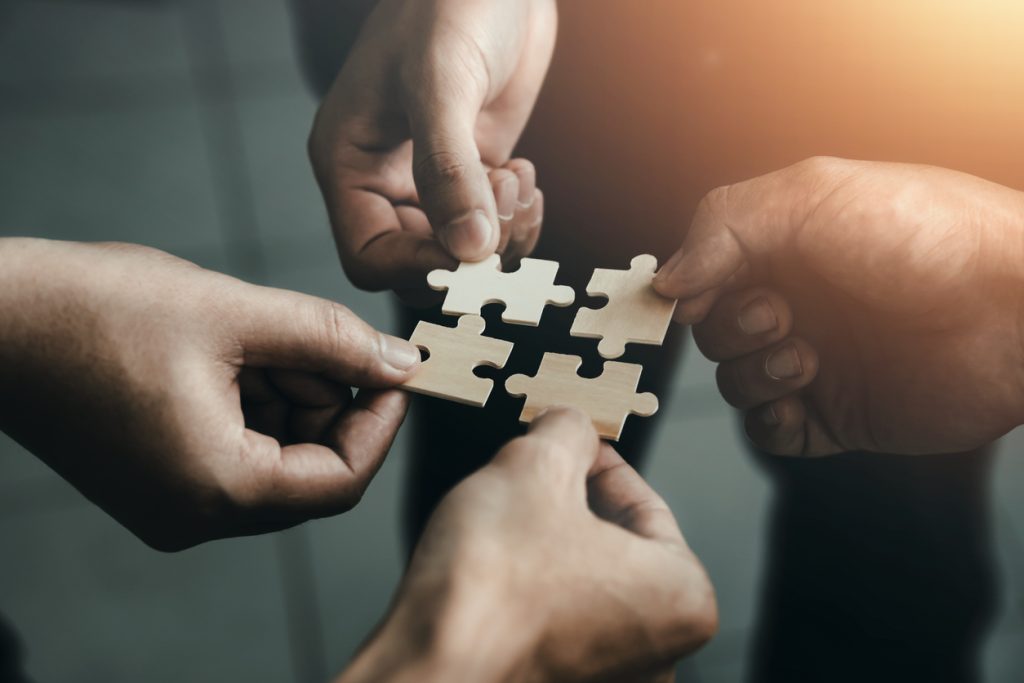
- Jigsaw puzzles strengthen spatial awareness and patience. The act of piecing together fragments into a cohesive picture demands attention to detail and visual discernment. Completing a complex jigsaw can provide a satisfying sense of accomplishment, reinforcing perseverance.
- Logic puzzles develop analytical reasoning and deduction skills. These puzzles often require the solver to follow a set of clues to arrive at the correct answer, mimicking real-world problems where analysis and deduction are crucial. For instance, a classic logic puzzle might involve determining who lives in which colored house on a street based on a series of clues.
- Sudoku encourages numerical reasoning and strategy formulation. This puzzle, which involves filling a grid with numbers so that each column, row, and section contains all digits from one to nine, cultivates not only mathematical skills but also strategic thinking as players develop approaches to tackle increasing levels of difficulty.
Cognitive Skills Enhanced by Puzzle Engagement
These engaging activities do more than just stimulate the brain; they also foster a range of essential cognitive skills that are increasingly vital in today’s fast-paced world. When tackled, puzzles can:
- Encourage creativity by prompting out-of-the-box thinking. For example, solving a complex riddle can lead to unexpected solutions, inspiring players to view problems from multiple perspectives.
- Enhance focus by requiring concentration for successful completion. Engaging deeply with a challenging puzzle trains the brain to keep distractions at bay, a skill that is transferable to work and study environments.
- Build resilience when overcoming challenging obstacles within the puzzle. Experiencing setbacks—such as repeatedly failing to solve a particularly tough section—can teach players valuable lessons in determination and grit, qualities essential for success in various life endeavors.
As we delve deeper into the intersection of puzzles and cognitive development, we will uncover how these seemingly simple activities can pave the way to greater problem-solving abilities and overall mental agility. Delving into this fascinating world of puzzles not only enriches the mind but also provides a fun and engaging way to cultivate skills that will be beneficial throughout one’s life. So the next time you pick up a puzzle, remember that you are not just passing time; you are unlocking mental potential.
DISCOVER MORE: Click here to learn about fostering creativity through mind mapping games
How Puzzles Foster Problem-Solving Skills
The art of problem-solving may seem innate for some, yet it’s a skill that can be nurtured and enhanced through various activities. One of the most accessible and enjoyable methods for developing these abilities is through puzzles. As individuals engage with different types of puzzles, they are invited to navigate challenges that require both critical thinking and creativity. This combination not only provides entertainment but also lays a foundation for essential cognitive development. Through the process of addressing puzzles, individuals practice a range of problem-solving techniques that can be applied to real-life situations.
Real-World Applications of Puzzle Skills
The skills acquired from puzzle-solving extend beyond leisure activities, reflecting real-world applications relevant to everyday life. When individuals confront puzzles, they essentially simulate critical situations that require strategic thinking. This is particularly evident in various professional fields. For instance, in technical industries such as software development, problem-solving is a core competency. By engaging with logic puzzles, developers can enhance their analytical skills, learning to assess situations, troubleshoot, and develop actionable solutions efficiently.
If we analyze the link between engaging with puzzles and improving problem-solving skills, a few key cognitive processes emerge:
- Analytical Thinking: Puzzles often present a distinct problem that needs to be dissected into parts. The process of breaking down information enhances an individual’s ability to view problems analytically, an essential skill for both academic and professional success.
- Strategic Planning: When tackling a complex puzzle, one must formulate a plan for solving it, considering various strategies and approaches. This skill transcends puzzles to enhance planning and foresight in business settings, project management, and even day-to-day decision-making.
- Perseverance: Many puzzles present significant challenges that may lead to frustration if one approaches them haphazardly. Engaging with difficult puzzles helps to cultivate a resilient mindset, teaching players the value of perseverance—the ability to push through obstacles in pursuit of a solution.
- Collaborative Problem Solving: Many puzzles can be solved collaboratively, encouraging teamwork and communication skills. For example, solving a crossword with friends or family fosters cooperation, enabling individuals to share diverse perspectives that can lead to a solution.
As individuals immerse themselves in these mental challenges, they pave the way for improving their cognitive skills, which are critical in varied scenarios, from academic assessments to workplace challenges. The engagement in puzzle-solving ultimately acts as a catalyst for developing not just recreational skills but also essential life skills. By viewing puzzles as more than just a pastime, one can begin to appreciate the profound impact they can have on cognitive growth and problem-solving prowess.
Puzzles have long been regarded not only as a source of entertainment but also as potent instruments for cultivating critical thinking and problem-solving abilities. They challenge individuals to observe patterns, deduce solutions, and apply logical reasoning. The impact of this practice on mental agility is significant, as engaging in puzzles can lead to enhanced cognitive skills, which are essential in both personal and professional spheres.
The diversity of puzzles—from crosswords and Sudoku to jigsaw puzzles—offers various avenues for skill development. For instance, crossword puzzles challenge vocabulary and general knowledge, while logic puzzles and number puzzles sharpen analytical thinking. Moreover, studies indicate that regular engagement with puzzles can improve memory function and increase the capacity for complex thought processes.
In a practical sense, addressing the challenges presented by puzzles encourages resilience in problem-solving. Participants often encounter barriers that require them to adjust their strategies or consider alternative solutions, fostering a growth mindset. This adaptability is crucial in today’s fast-paced world where problems are often multifaceted and require flexible, innovative thinking.
Furthermore, as people become more mindful of the importance of mental health, puzzles offer a form of stress relief. They provide a focused activity that enhances concentration, which can lead to decreased anxiety levels. As individuals immerse themselves in the challenge of solving a puzzle, they often experience a state of flow—an optimal state of engagement that is both satisfying and beneficial for mental health.
Incorporating puzzles into daily routines or educational curricula can significantly enhance problem-solving skills, urging learners to embrace challenges and develop strategies that can be applied to real-life scenarios. As we delve deeper into this topic, understanding the nuances of how different types of puzzles contribute to cognitive development is essential for maximizing their benefits.
| Category | Advantages |
|---|---|
| Skill Development | Enhances critical thinking and cognitive skills. |
| Stress Relief | Provides a focused activity that calms the mind. |
| Resilience | Encourages adaptability and innovative problem-solving. |
Additionally, as we explore the multifaceted benefits of puzzles, it becomes clear that their role in enhancing mental agility is invaluable across all age demographics. The ability to think critically, solve problems effectively, and maintain mental wellness positions puzzles as essential tools in our everyday lives. Their implications extend beyond mere leisure, acting as a scaffold for lifelong learning and cognitive advancement. Whether utilized in educational settings or personal leisure, puzzles serve as a bridge to greater mental acuity.
DIVE DEEPER: Click here to learn more
The Psychological Benefits of Engaging with Puzzles
Beyond the practical advantages of honing problem-solving skills, engaging with puzzles also yields significant psychological benefits that contribute to overall mental agility. When individuals immerse themselves in solving puzzles, they experience a range of positive emotions that reinforce their cognitive development. One of the most compelling aspects of puzzle-solving lies in the boost of confidence it provides. Successfully completing a challenging puzzle can create a sense of accomplishment, encouraging individuals to tackle increasingly complex problems—both in puzzles and in their daily lives.
Enhancing Focus and Concentration
As modern distractions abound, the ability to focus and concentrate has become an increasingly valuable skill. Engaging in activities like puzzles demands an individual’s full attention, training the brain to filter out distractions and remain committed to solving a problem. This focused engagement has proven beneficial in various settings, including academic environments and workplaces where concentrated focus is required to achieve goals. Research has shown that individuals who practice focused activities—such as puzzles—often excel in tasks requiring sustained attention.
Puzzles as Stress Reducers
Further, the experience of solving puzzles can also serve as a form of cognitive therapy, helping to reduce stress and anxiety. The immersive nature of puzzles allows individuals to step away from the pressures of daily life, promoting a meditative state that can calm the mind. Engaging with a puzzle engages one’s reasoning and creative faculties, enabling a mental refresh that can lead to improved mood and emotional well-being. According to studies conducted by the American Psychological Association, participants who regularly engage in puzzle-based activities report lower stress levels and improved mood, thereby enhancing their overall problem-solving capabilities.
Different Types of Puzzles and Their Unique Advantages
There’s a rich variety of puzzles available today, each catering to different cognitive strengths and preferences. For example, jigsaw puzzles foster spatial reasoning and attention to detail, while logic puzzles encourage critical thinking and deductive reasoning. Sudoku puzzles sharpen numerical skills and enhance memory retention, making them particularly useful for individuals looking to improve their quantitative abilities. Exploring various puzzle types can help identify personal strengths and weaknesses in problem-solving approaches, allowing for targeted enhancement of specific skills.
Additionally, puzzles like crossword puzzles promote verbal skills and vocabulary expansion, enhancing communication abilities that are critical in diverse social and professional scenarios. The multifaceted benefits derived from various puzzle formats empower individuals to cultivate a well-rounded skill set in problem-solving. As a result, individuals can become more adaptable and innovative thinkers—qualities that are highly valued in today’s rapidly changing landscape, marked by complex problems requiring multifaceted solutions.
In summary, the psychological and cognitive gains from engaging in puzzles extend far beyond mere entertainment. They build resilience, confidence, and effective focus while offering a holistic approach to skill development. By continually challenging themselves with different puzzle formats, individuals not only refine their problem-solving skills but also enrich their mental agility, preparing them for real-world situations that require keen analytical thinking and a proactive mindset.
DISCOVER MORE: Click here to unlock the future of mental agility training
Conclusion: Embracing Puzzles for Enhanced Problem-Solving Skills
In a world increasingly defined by complexity and rapid changes, the importance of developing problem-solving skills cannot be overstated. Engaging with puzzles serves as an effective and enjoyable avenue for individuals to enhance their cognitive and psychological capabilities. From boosting confidence and concentration to reducing stress, puzzles present invaluable benefits that extend far beyond entertainment. They challenge users to think critically and approach problems from multiple angles, cultivating a necessary mindset for personal and professional success.
Moreover, the variety of puzzle types—from crossword puzzles to Sudoku and logic games—allows individuals to explore their unique strengths and weaknesses in problem-solving approaches. This diversity not only keeps the experience fresh and engaging but also promotes a tailored skill enhancement process that aligns with one’s personal interests. As a result, puzzles become a fundamental tool in nurturing mental agility, equipping individuals with the resilience and creativity needed to navigate today’s intricate landscape.
As we advance further into the complexities of our modern world, embracing puzzles as a method for skill development could yield transformative results. By engaging with these cognitive challenges, individuals not only sharpen their analytical abilities but also cultivate a proactive mindset, essential for tackling real-world problems with confidence and efficiency. The path to mental agility can be both enjoyable and rewarding—so why not pick up a puzzle today and embark on this enriching journey?
Related posts:
Exploring the Connection Between Mindfulness Practices and Mental Agility in Puzzle Solving
The Impact of Mind Games on Cognitive Flexibility: Enhancing Mental Agility
The Influence of Age on Mental Agility: How Mind Games Adapt Across Generations
The Role of Language Games in Enhancing Mental Agility: A Linguistic Perspective
Using Escape Rooms as a Fun Approach to Enhance Team Mental Agility and Collaboration
The Psychological Benefits of Mind Games: Fostering Resilience and Adaptability Through Puzzles

Linda Carter is a writer and puzzle expert specializing in mind games, brain teasers, and cognitive challenges. With extensive experience helping individuals enhance their problem-solving skills and think critically, Linda shares her knowledge on our platform. Her goal is to empower readers with practical advice, engaging puzzles, and strategies to sharpen their minds and achieve success in the captivating world of mind games and puzzles.