The Connection Between Chess and Cognitive Flexibility

The Benefits of Chess for Cognitive Flexibility
Chess, enjoyed by countless individuals across the globe, serves as a complex battlefield of minds. The game requires players not only to think ahead but also to adjust their strategies based on the unpredictable nature of their opponent’s moves. This dynamic environment makes chess an ideal platform for cultivating cognitive flexibility.
Cognitive flexibility is essential for effective decision-making in various aspects of life, including professional settings, personal relationships, and educational environments. The multifaceted nature of this cognitive skill involves the ability to shift attention between different concepts, adjust to new rules and conditions, and find creative solutions to complex problems. Chess players epitomize this adaptability by constantly reassessing their strategies in real-time, which directly correlates with their cognitive capabilities.
Critical Thinking Enhancement
Research has shown that regular chess practice significantly enhances critical thinking skills. In one study, students who participated in chess programs demonstrated improved analytical skills and problem-solving abilities when assessed through standardized tests. This enhancement is rooted in the game’s demand for players to evaluate multiple potential outcomes based on their and their opponent’s actions. For instance, a player must compute not only their immediate move but also anticipate their opponent’s potential counters, further enhancing their strategic forethought.
Anticipating Opponents’ Moves
The necessity of predicting an opponent’s strategy sharpens players’ capacity for foresight. By analyzing previous games, players can recognize patterns in their opponents’ play styles and adapt their decisions accordingly. This anticipatory thought process fosters a mental environment where flexibility thrives, as chess requires a player to engage in constant recalibration of their strategies. For instance, a player who typically employs aggressive tactics may need to transition to a defensive approach depending on their opponent’s skills, showcasing their adaptability.
Memory and Attention Span Improvement
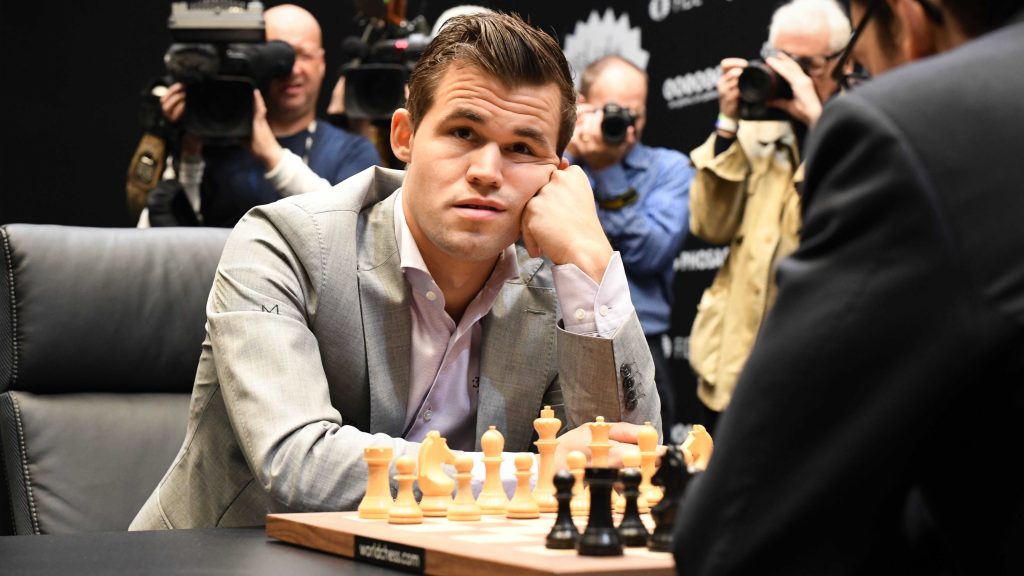
Engaging regularly in chess has been linked to substantial improvements in memory retention and attention span. Memorizing various openings, tactics, and even grandmaster-level games helps players develop strong memory skills. Research highlights that chess players can recall intricate sequences of moves due to their extensive practice, an ability that translates into enhanced cognitive performance in various fields, from academics to daily life challenges.
Practical Applications
The implications of understanding chess’s relationship with cognitive flexibility extend far beyond the game itself. Educational institutions across the United States are increasingly incorporating chess into their curricula, recognizing it as a valuable tool for fostering critical thinking skills among students. Programs like ‘Chess in the Schools’ have emerged, aimed at uniting academic learning with strategic thinking, guiding students to thrive not only in chess but also in their academic pursuits.
In conclusion, the study of chess as a model of cognitive flexibility presents exciting opportunities for enhancing mental agility and problem-solving abilities. Engaging deeply with the game can lead to significant personal development, making chess much more than a mere pastime; it is a compelling avenue for enriching our cognitive capabilities. Exploring this unique relationship can shed light on innovative educational practices and ultimately contribute to fostering sharper, more adaptable minds.
DIVE DEEPER: Click here to discover the cognitive benefits of word games
Understanding the Dynamics of Cognitive Flexibility through Chess
Chess is more than a mere game of strategy; it is a profound exercise in cognitive mechanics that showcases the intricacies of cognitive flexibility. Within the confines of a chessboard, players experience a rich tapestry of shifting scenarios that challenge their mental agility. As players hone their skills, they not only learn to navigate complex patterns on the board but also cultivate an adaptable mindset crucial for thriving in real-world environments.
The Role of Strategy in Developing Cognitive Flexibility
The strategic element of chess is paramount in fostering cognitive flexibility. Each game presents thousands of possible moves, prompting players to assess and reassess their choices continually. This process requires a high degree of mental agility, as players must not only formulate a plan but also alter it based on their opponent’s reactions. Consequently, chess players develop the ability to:
- Evaluate multiple outcomes based on a specific move.
- Shift between offensive and defensive play as needed.
- Recognize patterns in their opponents’ strategies, allowing them to adapt their game effectively.
Research indicates that such strategic flexibility correlates with improved problem-solving skills beyond the chessboard. For instance, individuals engaged in chess show heightened abilities in dynamic environments, where rapid adjustments in decision-making are vital.
Real-World Decisions and Adaptability
Drawing parallels between chess and everyday decision-making showcases the practical implications of cognitive flexibility. In scenarios involving high stakes—whether in business negotiations or personal relationships—the ability to pivot and accommodate new information is invaluable. Chess cultivates this skill; players must make quick considerations and adapt to unforeseen shifts in circumstances. Just as a chess player might struggle against an unexpected move, professionals often face sudden market changes or unexpected challenges that require immediate reevaluation of their strategies.
This adaptability is particularly relevant in a rapidly evolving job market in the United States, where employers increasingly value innovative problem-solving. The cognitive flexibility developed through chess can serve as a robust advantage in interviews and performance evaluations. Skills acquired through the game directly translate to:
- Critical thinking under pressure
- Creativity in crafting solutions
- Empathy through understanding diverse perspectives
Moreover, players often find that the lessons learned in chess transcend into other domains such as time management and prioritization, where the need for fluid thinking is equally essential.
A Lifelong Skill Development Journey
Engaging in chess is not merely about competition; it is a long-term commitment to personal growth that sharpens one’s cognitive abilities across various facets of life. As individuals refine their skills, they learn to embrace complexity and adapt to change—hallmarks of cognitive flexibility. The insights gained from each match foster resilience and enhance the ability to approach challenges with a flexible mindset.
| Category | Benefits |
|---|---|
| Mental Agility | Chess enhances the brain’s ability to switch between tasks, thereby improving cognitive flexibility. |
| Problem-Solving Skills | Playing chess fosters critical thinking, as players must adapt their strategies quickly to unexpected moves by opponents. |
| Strategic Thinking | The game requires long-term planning and adaptability, which are essential components of cognitive flexibility. |
| Emotional Regulation | Chess can help players develop patience and resilience, impacting their ability to manage varying pressures in real life. |
Cognitive flexibility, defined as the ability to adapt one’s thinking and behavior in response to changing circumstances, can be significantly enhanced through practices such as playing chess. In a typical game, players must continually assess their position, predict their opponent’s moves, and adjust their strategies accordingly. This dynamic interplay cultivates a robust mental toolkit that champions not only adaptability but also nuanced problem-solving abilities.Research indicates that engaging in such mentally demanding activities can lead to structural changes in the brain, promoting greater neural connectivity. This plasticity is vital for learning and applying new skills, making chess not just a game, but a powerful exercise for the mind. As players navigate complex scenarios on the chessboard, they unknowingly sharpen their cognitive reflexes, ultimately aiding their everyday decision-making processes. Prospective players are encouraged to explore these benefits more deeply, as the relationship between chess and cognitive flexibility opens avenues not just for enhanced gameplay, but for enriched learning experiences across varied life stages.
DISCOVER MORE: Click here to learn about the benefits of jigsaw puzzles
Enhancing Mental Resilience through Chess
One of the most compelling aspects of chess is its ability to enhance mental resilience. While players are often reminded of the strategic elements involved, it is the psychological journey through each match that offers profound insights into cognitive flexibility. Overcoming obstacles and managing both victories and defeats cultivates a mindset that is essential for adjusting effectively to life’s unpredictable changes.
Learning from Losses: A Key to Adaptability
Every chess player faces moments of defeat, which serve as vital opportunities for growth. Understanding that each loss carries valuable lessons is integral to developing cognitive resilience. In these moments of reflection, players analyze their mistakes, seeking to adapt their strategies for future matches. This dynamic process of self-review does not only apply to chess; it serves as a microcosm for real-life scenarios, fostering an environment where individuals learn to be flexible in their approaches to challenges. Research has shown that individuals who regularly engage in reflective practices, such as reviewing past performances in chess, demonstrate significantly improved adaptability in their professional lives.
For instance, companies like Google and Apple emphasize the need for adaptability in their cultures. Employees who exhibit traits similar to chess players—such as learning from failures and adjusting strategies in real time—are typically more successful in rapidly changing tech environments. This highlights how chess strategies nurture a mindset that transcends the game and proves beneficial in corporate America.
Multidimensional Thinking: Embracing Complexity
The intricate nature of chess requires players to engage in multidimensional thinking, a skill that is closely related to cognitive flexibility. Chess is not merely about immediate tactics; it involves long-term planning, foresight, and the ability to anticipate multiple future positions. This immersive experience trains the brain to think several steps ahead, requiring players to evaluate simultaneous paths and outcomes.
- Long-term planning vs. short-term decisions: Players learn to balance immediate gains with their overarching strategies, constantly evaluating trade-offs and potential risks.
- Anticipation of opponent moves: This requires insight into human behavior, fostering an understanding of different perspectives and potential motivations.
- The ability to pivot: Just as a player shifts strategies mid-game depending on the evolving board state, professionals must also pivot quickly to capitalize on emerging opportunities or navigate unforeseen challenges.
Several studies have concluded that activities like chess, which require complex cognitive processing, are associated with enhanced executive functions. These functions are vital in managing work-related stress and uncertainty, significantly aiding in effective problem-solving across various contexts.
Cognitive Flexibility in Education: The Chess Classroom
The educational implications of chess as a tool for developing cognitive flexibility are being increasingly recognized. Programs across the United States have begun to integrate chess curricula into classrooms, aiming to improve students’ cognitive skills. By introducing chess as a pedagogical tool, educators find that students improve not only their mathematical and analytical skills but also their ability to adapt to shifting academic expectations.
This initiative is also backed by various studies showcasing how children who play chess regularly score higher in cognitive function assessments, further underscoring the link between chess and cognitive flexibility. Such educational programs promote a culture of adaptability and critical thinking among young learners, equipping them with essential skills for their futures.
As the chess community continues to grow, so does the understanding that engaging in this dynamic game fosters not just strategic thinkers but also resilient individuals capable of navigating the complexities of modern life with enhanced cognitive flexibility.
DISCOVER MORE: Click here to dive deeper
Conclusion: The Transformative Power of Chess on Cognitive Flexibility
In examining the connection between chess and cognitive flexibility, we uncover a rich tapestry of benefits that extend far beyond the chessboard. Engaging in this ancient game fosters a unique mental environment where players cultivate adaptability, resilience, and multidimensional thinking. As players navigate a myriad of strategies and anticipate opposing moves, they sharpen their ability to adjust to complex scenarios, a skill that is increasingly invaluable in today’s fast-paced world.
The impact of chess on cognitive resilience is particularly profound during moments of loss and reflection. Each defeat becomes a teaching tool, pushing individuals to assess their performance critically and refine their approach. This iterative cycle of learning not only enhances their chess skills but also transfers to real-life challenges, preparing them for career obstacles and personal setbacks alike. The integration of chess into educational curricula further reinforces its role as a powerful facilitator of cognitive development, underscoring its relevance in nurturing the next generation’s ability to adapt and thrive.
As studies continue to affirm the cognitive benefits of chess, it is clear that this compelling game offers more than just entertainment—it serves as a blueprint for developing essential skills that are paramount in navigating life’s complexities. In a world characterized by rapid change and unpredictability, embracing chess could well be a strategic move toward fostering a more adaptable and resilient society.
Related posts:
How Mind Mapping Games Foster Creative Problem Solving
The Impact of Virtual Reality Puzzles on Spatial Awareness and Navigation Skills
The Impact of Sudoku on Problem-Solving Skills
How Memory Games Enhance Recall and Retention Abilities
Enhancing Memory Through Crossword Puzzles
The Role of Strategy Games in Developing Critical Thinking

Linda Carter is a writer and puzzle expert specializing in mind games, brain teasers, and cognitive challenges. With extensive experience helping individuals enhance their problem-solving skills and think critically, Linda shares her knowledge on our platform. Her goal is to empower readers with practical advice, engaging puzzles, and strategies to sharpen their minds and achieve success in the captivating world of mind games and puzzles.