The Benefits of Jigsaw Puzzles for Visual-Spatial Intelligence
Unlocking Cognitive Potential through Puzzles
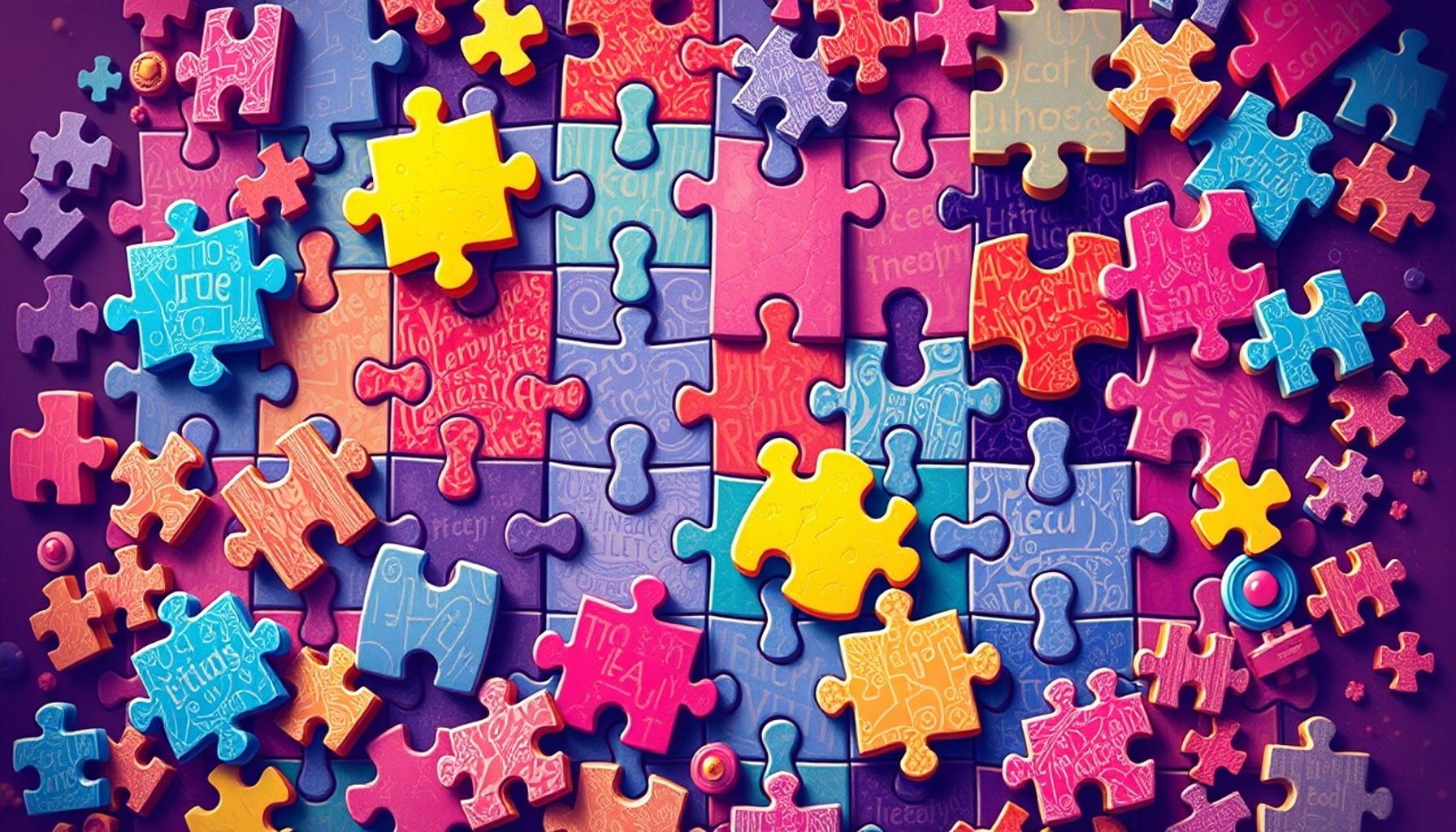
Imagine a world where piecing together fragments not only creates beautiful images, but also sharpens the mind. Jigsaw puzzles, often seen as a simple pastime, actually serve as a powerful tool for enhancing visual-spatial intelligence. As individuals painstakingly fit pieces together, they engage in a fascinating dance of creativity and logic, transforming scattered bits into coherent images.
These engaging activities offer a range of benefits that extend far beyond mere entertainment. Consider the following advantages:
- Improved problem-solving skills: As you navigate complex designs, your brain learns to analyze and strategize. This cognitive exercise mimics real-life problem-solving, where evaluating options and predicting outcomes are crucial. For instance, when faced with a particularly challenging section, puzzle enthusiasts must weigh the placement of various pieces, enhancing their ability to think critically.
- Enhanced memory retention: Remembering shapes and colors not only boosts cognitive functions but also reinforces patterns and context recognition. Research indicates that repetitive mental exercise, such as recalling piece placements, strengthens neural connections. This can be especially beneficial for aging populations, as studies have shown that regular engagement in such activities can help stave off cognitive decline.
- Increased patience and concentration: Completing a puzzle fosters focus and perseverance. In a society that often prioritizes instant gratification—thanks to technology and fast-paced lifestyles—puzzles encourage a sense of calm and mindfulness. The very act of dedicating time to a puzzle cultivates a meditative state, allowing individuals to immerse themselves fully in the task at hand.
Research suggests that regular participation in puzzles can lead to lasting cognitive improvements. Engaging in this activity not only challenges the brain but also promotes a sense of accomplishment. Studies have shown that individuals who routinely work on puzzles experience not only improved visual-spatial skills but also increased happiness, likely due to the satisfaction of completing a challenging project. As the colorful pieces come together, individuals might discover new facets of their abilities, gaining insights that translate into daily life.
In a digital age saturated with screens, the tactile experience of assembling a jigsaw puzzle is a refreshing approach to mental exercise. Unlike video games or mobile apps that can often overwhelm or overstimulate, traditional puzzles encourage thoughtful pacing and manual dexterity. Each puzzle challenge is not just a fun distraction; it is an investment in your intellectual growth.

Dive in to explore the myriad ways jigsaw puzzles can enrich your life. From family game nights that strengthen bonds to solo sessions that enhance focus, puzzles provide a unique opportunity to transform how you perceive and interact with the world around you. Consider setting aside time this weekend to engage in this timeless activity—who knows what cognitive treasures may await as you unlock the potential hidden in those colorful pieces?
Strengthening Visual-Spatial Skills Through Puzzles
Visual-spatial intelligence, a core component of cognitive functioning, is the ability to visualize and manipulate objects in space. Jigsaw puzzles serve as an excellent platform for enhancing this intelligence, offering a plethora of benefits that extend beyond the simple completion of an image. Engaging with puzzles requires a multi-faceted approach to understanding patterns, angles, and spatial relationships, all of which contribute to improved cognitive performance.
One of the most notable advantages of working on jigsaw puzzles is the development of critical thinking abilities. As puzzlers contend with various shapes and colors, they learn to assess the best possible placements for each piece. This decision-making process can mirror real-world scenarios where quick and effective judgments are essential. By examining their options, puzzlers cultivate a sense of logic and strategy that is transferable to problem-solving in everyday life, such as in school or the workplace.
Additionally, jigsaw puzzles can significantly boost visual memory. As participants attempt to piece an image together, they often rely on their ability to remember the shapes and colors of various pieces. Research indicates that actively retrieving this information enhances brain function by reinforcing synaptic connections. Such cognitive exercises are particularly beneficial for older adults. Studies have shown that individuals who engage in regular puzzle activities maintain better cognitive health and can delay the onset of dementia-related symptoms.
Moreover, the engagement with jigsaw puzzles fosters a sense of mindfulness and focus. In our fast-paced, technology-driven world, the opportunity to disconnect and immerse oneself in a puzzle can be both refreshing and rejuvenating. Participants are encouraged to concentrate on the task at hand, allowing their minds to wander less and develop greater attention span. This makes jigsaw puzzles an effective way to combat distractions and improve concentration skills, which can enhance academic performance or productivity in various tasks.
- Enhanced visual recognition: Jigsaw puzzles train individuals to recognize patterns and shapes more readily, which aids in everyday tasks like driving or learning new concepts in science or math.
- Improved dexterity: The act of handling puzzle pieces helps refine fine motor skills, crucial for younger puzzlers who are still developing coordination.
- Social benefits: Working on puzzles collaboratively encourages teamwork and communication, fostering stronger social bonds among participants.
Each completed puzzle reveals not only a beautiful image but also a testament to the enhanced mental capabilities it fosters along the way. As participants engage with the pieces, they simultaneously engage in a much deeper cognitive workout, informing their understanding of visual-spatial contexts in the world. By making time for jigsaw puzzles, individuals invest in their cognitive development, allowing for growth in an area that directly impacts various aspects of life.
The Benefits of Jigsaw Puzzles for Visual-Spatial Intelligence
As we delve deeper into the significance of jigsaw puzzles, it’s essential to recognize how they enhance visual-spatial intelligence. This form of intelligence is crucial for various daily tasks, including navigation, art, and even mathematics. Below, we explore the specific advantages of engaging with jigsaw puzzles, elaborated in the table format for clarity and ease of understanding.
| Advantages | Description |
|---|---|
| Enhanced Problem-Solving Skills | Jigsaw puzzles require critical thinking and strategy, fostering improved problem-solving abilities over time. |
| Improved Memory Retention | Working on puzzles helps strengthen memory pathways as you recall shapes, colors, and the positions of pieces. |
| Increased Focus and Concentration | The activity encourages sustained attention, which can significantly increase concentration levels in other areas of life. |
| Visual Perception Skills | Puzzles aid in enhancing visual perception by allowing individuals to recognize patterns and spatial relationships. |
Engaging with jigsaw puzzles not only serves as a source of entertainment but also presents a myriad of cognitive benefits, making it a worthwhile pursuit for individuals of all ages. Delving into their intricate designs encourages a deeper appreciation for visual-spatial intelligence, inviting enthusiasts to explore a world of creativity and analytical thinking.
Developing Teamwork and Communication Skills
In addition to enhancing individual visual-spatial intelligence, jigsaw puzzles offer the remarkable advantage of fostering teamwork and communication skills. When individuals come together to tackle a puzzle, an environment of collaboration is created. This shared experience encourages participants to articulate their thoughts, strategize collectively, and actively listen to one another. Such social dynamics can be crucial for children, who are still learning how to navigate interpersonal relationships while honing their cognitive abilities.
Research shows that children who engage in group activities, such as working on jigsaw puzzles, tend to develop stronger social skills compared to those who do not. As they discuss where to place a piece or jointly decide which section to tackle, they practice essential skills such as negotiation, conflict resolution, and the ability to compromise. These experiences can translate beyond the puzzle table and into the classroom, where collaboration is vital for academic success.
Encouraging Persistence and Patience
Another often-overlooked benefit of jigsaw puzzles is the way they instill a sense of persistence and patience. Completing a puzzle can be a daunting task, especially larger 1000-piece or more intricate designs. However, the satisfaction of finally placing that elusive piece in its correct spot after countless attempts creates a sense of achievement. Participants learn that success often requires time and effort, a lesson that is invaluable not only in puzzle-solving but in various aspects of life, including education and careers.
Regular engagement with jigsaw puzzles can help reduce the impulsivity that often characterizes younger generations raised in the instant gratification era. As they learn to approach puzzles methodically, pieces can be placed and repositioned multiple times before finding the right fit, thereby developing strategies to deal with frustration and setbacks. This cultivation of resilience is particularly beneficial for children, as they set the groundwork for long-term goal achievement.
Boosting Emotional Well-Being
Beyond cognitive and social benefits, jigsaw puzzles also hold a significant place in enhancing emotional well-being. Engaging in this activity allows individuals to disconnect from daily stressors, ushering in a state of calm and relaxation. This therapeutic aspect of jigsaw puzzles is supported by psychological studies that affirm the positive effects of structured activities on mental health. Participants often report feelings of accomplishment, satisfaction, and even reduced anxiety levels once a puzzle is completed.
Moreover, the process of focusing on a puzzle can serve as a form of mindfulness, a practice known to benefit mental health. As puzzlers concentrate on achieving a complete picture piece by piece, they inherently engage in a present-centered activity. This form of mindfulness draws individuals away from their distractions and anxieties, resulting in improved overall emotional well-being.
- Cross-generation sharing: Families can bond through the collective joy of assembling a puzzle, bridging gaps between generations as they recount stories related to the imagery.
- Personal challenge: Opting for puzzles of varying difficulty levels allows individuals to set personal challenges, promoting self-improvement and enhancing personal growth.
- Variety of themes: Jigsaw puzzles come in numerous themes and complexities, catering to diverse interests, which can spark curiosity and learning across different subjects.
Conclusion
In summary, the myriad benefits of jigsaw puzzles for enhancing visual-spatial intelligence extend far beyond mere entertainment. Engaging with jigsaw puzzles fosters not only vital skills such as teamwork and communication but also promotes persistence, patience, and overall emotional well-being. As these puzzles challenge individuals to think critically and navigate complex visual spaces, they simultaneously cultivate resilience and creativity that can be invaluable in both personal and academic pursuits.
Furthermore, acknowledging the social aspects of jigsaw puzzling presents an opportunity for families and friends to connect meaningfully, bridging generational gaps through shared experiences. As individuals collaborate on assembling intricate designs, they unknowingly reinforce essential life skills such as negotiation, which are crucial for effective interaction in diverse settings.
This multi-dimensional approach to learning and personal growth highlights the importance of incorporating jigsaw puzzles into daily routines. Whether it is for enhancing cognitive abilities or finding a calming escape from daily stress, jigsaw puzzles serve as a versatile tool that caters to various interests and age groups.
As we further explore the connections between visual-spatial intelligence and real-world applications, it becomes clear that jigsaw puzzles are more than a simple pastime. They are a powerful medium for developing core competencies that enrich our lives, proving that the journey to completion is just as significant as reaching the final picture.
Related posts:
How Mind Mapping Games Foster Creative Problem Solving
The Connection Between Chess and Cognitive Flexibility
The Impact of Sudoku on Problem-Solving Skills
The Impact of Virtual Reality Puzzles on Spatial Awareness and Navigation Skills
The Role of Strategy Games in Developing Critical Thinking
How Memory Games Enhance Recall and Retention Abilities

Linda Carter is a writer and puzzle expert specializing in mind games, brain teasers, and cognitive challenges. With extensive experience helping individuals enhance their problem-solving skills and think critically, Linda shares her knowledge on our platform. Her goal is to empower readers with practical advice, engaging puzzles, and strategies to sharpen their minds and achieve success in the captivating world of mind games and puzzles.