The Role of Collaborative Mind Games in Developing Team Problem-Solving Skills

Understanding Collaborative Mind Games
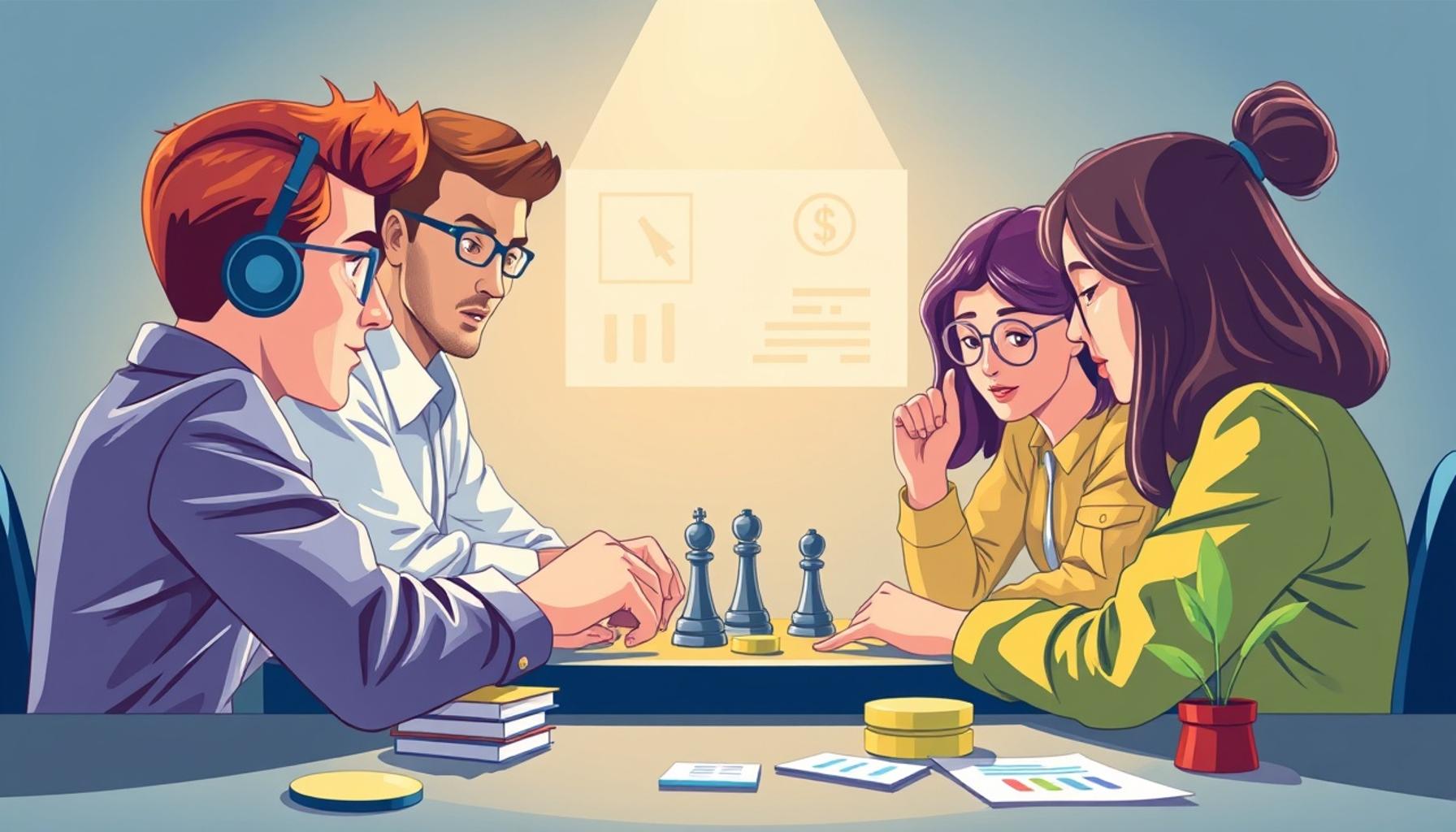
In an era where workplace adaptability and agility are more crucial than ever, organizations are continuously seeking innovative methods to enhance their team’s effectiveness. Collaborative mind games represent a dynamic approach to achieving this goal. By integrating fun and engaging activities into the workplace, teams can develop essential problem-solving skills that translate directly to their daily work tasks.
The Functionality of Collaborative Mind Games
At their core, these games serve not only as a source of entertainment but also as invaluable training tools that emphasize critical thinking, creativity, and communication among team members. For instance, improved communication is a pivotal aspect of successful collaboration. Mind games require participants to articulate their thoughts clearly and concisely—skills that are equally vital during real-time discussions and decision-making processes at work.
Additionally, these activities unleash creativity. When team members engage in playful competition, they often feel more liberated to express unconventional ideas, pushing the boundaries of traditional problem-solving methods. This atmosphere of freedom can lead to revolutionary solutions that may not emerge in a more staid environment.
Benefits of Team Dynamics Through Play
Participating in collaborative mind games significantly strengthens interpersonal bonds among team members. As players navigate challenges together, they build trust, encouraging openness and mutual support. This camaraderie can lead to improved teamwork and collaboration, making it easier to tackle complex tasks and projects in the workplace.

Real-World Applications
To illustrate the effectiveness of mind games, consider the Escape Room Challenge. In this scenario, teams must work together to unravel a series of puzzles within a set time limit. This activity is not merely about solving riddles but also about leveraging each member’s strengths and perspectives to achieve a common goal. It requires participants to practice negotiation, patience, and strategic thinking under pressure—skills that are invaluable in a corporate setting.
Another example is the rise of online strategy games, which have gained popularity, particularly among remote teams. Platforms like ‘Among Us’ or ‘League of Legends’ promote collaboration as players coordinate their strategies, communicate openly, and learn from their missteps in real-time. These games can enhance camaraderie and provide a sense of belonging within the team, which is often challenging to foster in virtual environments.
Lastly, classic board games such as ‘Settlers of Catan’ provide an intersection of fun and strategy. Players engage in negotiation, analysis, and resource management—key elements that mirror business scenarios. By participating in such games, team members can practice these skills in a low-risk setting, preparing them for more significant challenges ahead.
Conclusion
In summary, incorporating collaborative mind games into team interactions offers invaluable benefits. Not only do they enhance communication, creativity, and interpersonal relationships, but they also create a safe space for team members to practice innovative problem-solving. As organizations seek to thrive in a competitive landscape, embracing these engaging techniques can lead to measurable improvements in workplace collaboration and overall efficiency.
DIVE DEEPER: Click here to uncover the mysteries
The Mechanics Behind Collaborative Mind Games
Collaborative mind games are not merely recreational pastimes; they are carefully designed experiences that cultivate essential skills needed in modern workplaces. The mechanics of these games revolve around facilitating interaction and enhancing team dynamics while engaging participants in a variety of cognitive challenges. As teams immerse themselves in these structured struggles, they tackle real-world issues through a playful lens, which can lead to groundbreaking insights and solutions.
Key Components that Foster Team Problem-Solving
Several critical components emerge from the foundation of collaborative mind games that play a pivotal role in enhancing team problem-solving abilities:
- Communication Skills: In collaborative games, clear and effective communication is vital. Teams must articulate their ideas and strategies to navigate challenges successfully. This practice of communicating under pressure translates directly to workplace scenarios, where clarity can lead to collaborative breakthroughs.
- Adaptability: The ever-changing dynamics of mind games require participants to adapt their strategies on the fly. This focus on adaptability can help teams learn to pivot quickly when confronted with unexpected obstacles in their work projects.
- Role Recognition: Many mind games encourage players to take on different roles. This promotes an understanding of each member’s unique contributions, helping teams appreciate and leverage the diverse strengths within their groups.
- Strategic Thinking: As teams engage in gameplay, they must analyze the current situation, consider various outcomes, and devise strategic approaches. This mindset fosters analytical thinking that can be paramount in workplace problem-solving.
Moreover, the thrill of competition inherent in many mind games stimulates participants’ competitive spirit. This friendly rivalry often ignites the desire to perform at their best, pushing teams to generate innovative ideas and solutions. Engaging in this competitive atmosphere can ultimately lead to heightened productivity back in the work environment.
Case Studies and Research
Numerous studies have been conducted to explore the impact of collaborative activities on team performance. For instance, a research study published in the Journal of Applied Psychology found that teams that regularly engaged in collaborative games experienced a 20% increase in problem-solving efficiency compared to teams that did not partake in such activities. Similarly, organizations like Google have incorporated gamified learning in their work culture, leading to improved team cohesion, creativity, and overall job satisfaction.
From educational institutions to corporate training programs, the implementation of collaborative mind games as a training method is gaining traction across various sectors. As organizations continue to discover the immense benefits of these engaging activities, they recognize that fostering a culture of collaboration is not just an option but a necessity for thriving in today’s fast-paced business climate.
The Impact of Collaborative Mind Games
Collaborative mind games are more than just engaging pastimes; they serve as a dynamic tool for team building and enhancing problem-solving skills within groups. As teams engage in these games, they foster essential skills such as communication, strategic thinking, and emotional intelligence. Successful collaboration requires each member to express thoughts clearly while also listening actively to others, thus creating a supportive environment that encourages innovation and creativity.
| Advantage | Description |
|---|---|
| Strengthened Collaboration | Mind games enhance teamwork and cohesion among members. |
| Improved Problem-Solving | Participants learn to tackle challenges through collective brainstorming. |
By working through challenges together, teams learn to navigate differences in opinion to arrive at a common solution. These experiences not only bolster team spirit but also equip members with an array of problem-solving techniques applicable to real-world scenarios. The result is a more agile team capable of thinking on their feet, ready to face unexpected challenges head-on.
DISCOVER MORE: Click here to delve deeper into the world of puzzles
Real-World Applications of Collaborative Mind Games
The influence of collaborative mind games extends far beyond the gaming table, permeating various aspects of organizational culture and team configuration in real-world scenarios. More than just fun activities, these games can serve as a powerful vehicle for problem-solving development across numerous industries. As workplaces evolve towards more innovative practices, the application of mind games has shown a significant ability to enhance measurable outcomes within teams.
Enhancing Innovation Through Creativity
Innovation is often the lifeblood of successful enterprises, and collaborative mind games can serve as a catalyst for unleashing creative potential among team members. By engaging in imaginative problem-solving scenarios, teams are encouraged to think outside the box, fostering an environment where unconventional ideas can flourish. Enhanced creativity not only boosts productivity but also leads to groundbreaking products and services. For instance, in the tech industry, companies like Apple have utilized gamified brainstorming sessions to create cutting-edge technology, illustrating how team synergy invigorated through mind games can translate into tangible market advantages.
Building Emotional Intelligence
A lesser-known yet crucial benefit of collaborative mind games is their potential to cultivate emotional intelligence (EI) within teams. High EI is instrumental in improving interpersonal relationships, which are critical for effective communication and collaboration. Through gameplay, team members can learn to recognize emotional cues, navigate conflicts, and develop empathy for one another—all essential skills for enhancing team cohesion. Activities such as role-playing games can create scenarios that test and sharpen these emotional skills, proving to be significant tools for organizations aiming to foster a supportive and inclusive work environment.
Facilitating Remote Team Engagement
The rise of remote work has posed new challenges for team dynamics. However, collaborative mind games have emerged as an effective solution to bridge the gap created by physical distance. Platforms that host virtual escape rooms or online puzzle challenges allow remote teams to interact and collaborate as they would in a traditional setting. A survey from Buffer indicates that remote teams that engage in regular team-building activities—including mind games—experience a 25% increase in overall performance. This suggests that maintaining interpersonal relationships, even in a digital environment, is essential for sustaining productivity and innovation in the contemporary workplace.
Engaging Diverse Teams
Another aspect worth noting is the ability of collaborative mind games to unite diverse teams. Teams composed of individuals from various backgrounds are likely to generate a wider array of solutions. Playing mind games, which often encourage input from all participants, helps to break down communication barriers, promoting inclusivity and facilitating valuable exchanges between members with different perspectives. This dynamic not only enhances creativity but also leads to more comprehensive and effective problem-solving outcomes. Companies that consciously prioritize diversity, such as Procter & Gamble, frequently report that their engagement in collaborative activities, including mind games, has significantly enriched their problem-solving capabilities.
As organizations increasingly recognize the multidimensional benefits that collaborative mind games provide, they stand poised to cultivate a generation of employees equipped to tackle the challenges of tomorrow. These experiences offer a unique blend of fun, education, and skill development that ultimately positions teams for success in a rapidly evolving business landscape.
DIVE DEEPER: Click here to discover the impact of virtual reality on mental agility
Conclusion: Unleashing Potential Through Play
In summary, the role of collaborative mind games in enhancing team problem-solving skills is both profound and multifaceted. As organizations navigate an increasingly complex business environment, integrating these engaging activities becomes essential for fostering innovative thinking and effective collaboration. Through immersive gameplay, teams can unlock creative potential, build crucial emotional intelligence, and enhance engagement—even in remote settings. The cost-effective nature of these games offers an attractive option for organizations aiming to enhance team dynamics without straining their budget.
Moreover, the ability of mind games to unite diverse teams not only enriches the problem-solving process but also cultivates a culture of inclusivity that is vital in today’s workforce. Companies that actively embrace these practices position themselves to leverage varied perspectives, ultimately leading to more comprehensive solutions to challenges. As we look to the future, leaders should consider collaborative mind games as an integral part of their team development strategies, enhancing employee satisfaction and organizations’ overall success.
With ongoing advancements in technology and shifts in workplace dynamics, the potential for these games to reinforce problem-solving skills continues to evolve. Organizations that harness the power of play are not just investing in fun; they are paving the way for a more innovative, cohesive, and resilient future.
Related posts:
Digital Puzzles: How Technology Transforms Critical Thinking
The Psychology of Solving Puzzles: How Mind Games Enhance Critical Thinking
The Impact of Mind Games on Cognitive Flexibility and Adaptive Problem-Solving
The Psychology of Strategy Games: How They Influence Decision Making
Mental Challenges: How Logic Games Improve Our Problem-Solving Skills
The Art of Solving Puzzles: Strategies and Techniques of Critical Thinking

Linda Carter is a writer and puzzle expert specializing in mind games, brain teasers, and cognitive challenges. With extensive experience helping individuals enhance their problem-solving skills and think critically, Linda shares her knowledge on our platform. Her goal is to empower readers with practical advice, engaging puzzles, and strategies to sharpen their minds and achieve success in the captivating world of mind games and puzzles.