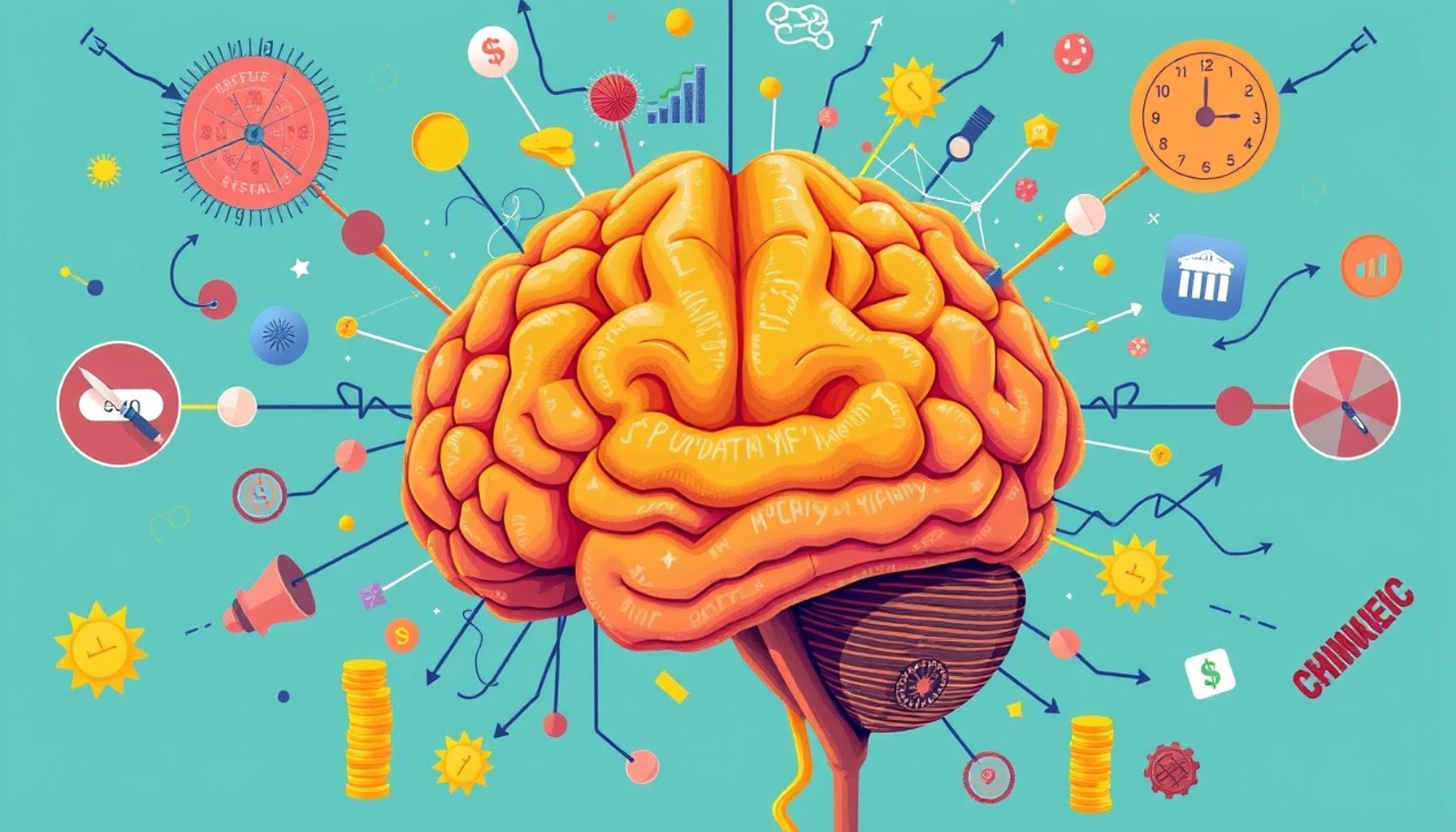
The impact of memory games on mental agility and information retention

The Importance of Mental Agility and Retention
As cognitive health becomes an increasingly popular topic, many individuals are seeking ways to enhance their mental agility and improve information retention. One method that has been gaining traction is the use of memory games. These engaging activities not only provide enjoyment but also challenge our brains to perform better.
Memory games offer numerous benefits that extend beyond mere entertainment. For instance, they can lead to improved cognitive functions. Studies indicate that regular practice with memory games enhances memory recall, leading to better problem-solving skills. For example, players of games like “Simon Says” or “Memory Match” often find it easier to remember details in everyday situations, such as recalling names during social gatherings or remembering key points in a presentation.
In addition, memory games are linked to an increased attention span. As players concentrate on patterns or sequences, they naturally develop better focus. A common example is the game “Concentration,” where players must remember the locations of cards on a board. This heightened attention can translate to improved performance in academic and professional environments, helping individuals process and analyze information more efficiently.
Moreover, engaging with memory games can facilitate better information retention. According to research conducted by cognitive scientists, those who regularly participate in memory-enhancing activities can retain up to 25% more information than those who do not engage in these exercises. This benefit is particularly relevant in a world where we are bombarded with data constantly, from emails to social media notifications.
Neuroscience Behind Memory Games
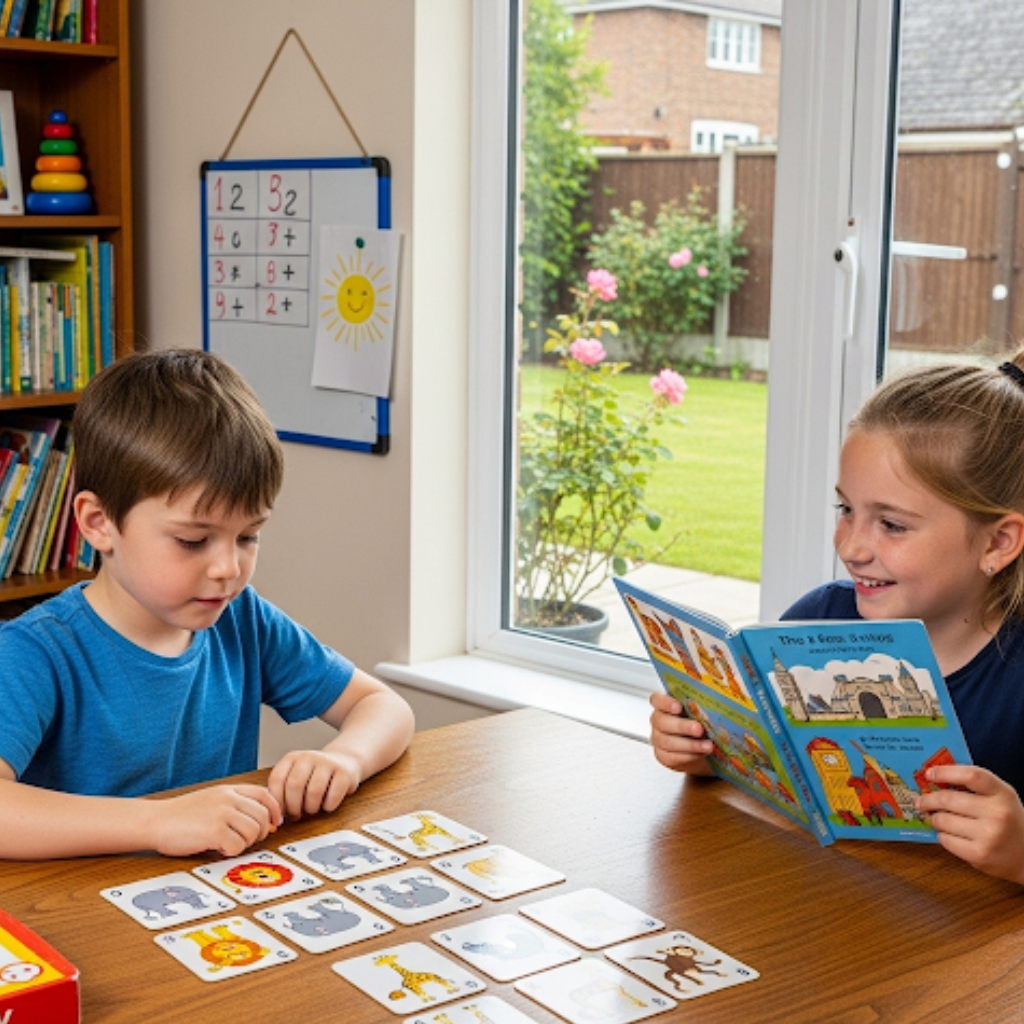
Interestingly, neuroscientific studies suggest that incorporating memory games into daily routines can yield significant advantages regarding brain function. Research has shown that playing such games can improve neural connectivity as the brain develops new pathways through consistent cognitive challenge. This adaptability of the brain, known as neuroplasticity, is critical for lifelong learning and development.
Accessibility Across Generations
The versatility of memory games is another reason for their rising popularity. They can be easily adapted for various ages, making them an ideal tool for enhancing brain functions across generations. Whether it’s children honing their skills through digital apps like “Lumosity” or seniors engaging in traditional card games, there are endless options available. These games often foster social interaction, creating opportunities for family bonding while supporting cognitive growth.
This exploration of memory games reveals their profound impact on our mental capabilities. From scientific studies documenting their benefits to the diverse range of games available, there is much to learn about how memory games can transform your cognitive landscape. By incorporating these activities into daily life, individuals may discover a fun and effective pathway to enhance their mental agility and retention.
DIVE DEEPER: Click here to learn more about mindfulness and mental agility
Memory Games and Cognitive Function
The power of memory games in enhancing cognitive function is a growing area of interest among researchers and enthusiasts alike. Engaging in these mental exercises not only offers entertainment, but also sharpens our cognitive abilities, making us more adept at processing and recalling information. One of the key benefits is the enhancement of working memory, a critical component for numerous everyday tasks, from decision-making to learning new material.
During memory games, players are often required to remember sequences, match pairs, or follow complex patterns. These activities activate various regions of the brain, promoting improved synaptic connections. As players regularly challenge their brains, they may experience significant benefits, which include:
- Enhanced short-term memory: By focusing on tasks that require the retention of just a few pieces of information at once, players can strengthen their ability to hold and manipulate data in their minds.
- Increased processing speed: Memory games often require quick thinking and fast responses, which can translate to a heightened ability to process information swiftly in real-life situations.
- Improved problem-solving skills: When faced with challenges in memory games, players learn to develop strategies to overcome obstacles, thus enhancing their problem-solving capabilities.
Numerous studies have corroborated these claims, showing that individuals who incorporate memory games into their routines benefit from significant boosts in their cognitive functions. For instance, research conducted by the American Psychological Association highlights that engaging in mentally stimulating activities can effectively slow cognitive decline in aging adults. This means that whether you are a student trying to ace your next exam or a professional navigating complex projects, memory games can offer a valuable tool for maintaining and enhancing cognitive health.
Real-Life Applications of Memory Games
The benefits of memory games extend beyond the realm of entertainment as they can be particularly useful in real-life applications. For students, skills honed through memory games can lead to improved academic performance. A student practicing with card-matching games may find it easier to retain vocabulary for foreign language studies or to remember historical dates for their next exam.
In the corporate world, professionals are increasingly recognizing the importance of mental agility. Companies often invest in brain-training programs incorporating memory games designed to boost employee productivity and efficiency. For instance, a team regimen that includes memory-enhancing games might cultivate a sharper focus during meetings, enabling participants to remember key points and engage in discussions effectively.
Ultimately, it is clear that memory games impact mental agility and information retention positively. Their versatility as a tool for improvement makes them accessible for various populations, regardless of age or profession. By exploring the depth of these games, individuals may unlock the potential for cognitive enhancement, leading to better performance in both personal and professional arenas.
| Advantages of Memory Games | Impact on Mental Skills |
|---|---|
| Enhanced Recall | Memory games significantly improve the ability to recall information quickly, aiding in both academic and professional settings. |
| Increased Focus | Engaging in memory games requires concentration, which can translate into better focus during daily tasks and responsibilities. |
| Cognitive Defense | Regularly playing these games may help protect against cognitive decline associated with aging, ensuring sharper mental faculties well into the later years. |
| Social Interaction | Many memory games can be played in groups, boosting social interaction, which is another important component of mental health. |
Engaging in memory games is not only beneficial for individual cognitive skills but also fosters essential social connections. The interactive nature of these games promotes teamwork and communication, adding an enjoyable layer to cognitive enhancement. Furthermore, research has indicated that such games can facilitate the formation of neural connections, leading to long-term improvements in memory capabilities. These insights open the door for deeper exploration into the multi-faceted advantages of memory games and their role in nurturing mental agility and information retention. Continual participation may pave the way for innovative approaches in educational and therapeutic settings, emphasizing the power of play in enhancing our mental acuity.
DIVE DEEPER: Click here to discover the psychological benefits of mind games
Memory Games: A Gateway to Lifelong Learning
Memory games are not just a simple pastime; they are a potent tool for lifelong learning and mental development. As technology advances, the integration of memory games into our daily lives has expanded significantly. Online platforms and mobile applications have made these cognitive exercises accessible to virtually everyone, from school children to senior citizens. This democratization of brain training allows a wider demographic to tap into the benefits of enhanced mental agility and improved information retention.
One interesting paradigm shift in modern education is the use of gamification, which incorporates game-like elements into non-game contexts. Educators are increasingly employing memory games in classrooms to stimulate student interest and enhance learning outcomes. For example, tools like Quizlet allow learners to engage in interactive flashcards and matching games, which facilitate effective study sessions. The tactile and visual stimulation provided by these memory games has proven beneficial in helping students retain information longer and recall it more efficiently during exams.
The Neuroplasticity Connection
Research into neuroplasticity—the brain’s ability to reorganize itself by forming new neural connections—provides a scientific basis for the effectiveness of memory games. Frequent engagement in challenging memory tasks can stimulate neurogenesis, promoting the growth of new brain cells. A study published in the journal *Nature Neuroscience* indicated that participants who regularly engaged in brain-training exercises exhibited notable increases in cognitive reserve, a term that refers to the brain’s resilience to damage and decline.
Moreover, these findings are particularly relevant in an age where cognitive decline due to aging is a growing concern. Memory games can serve as a preventative measure, enabling individuals to maintain their cognitive functions well into their golden years. Older adults who actively participate in memory games tend to preserve their information retention skills and maintain a sharper focus, leading to an overall improvement in their quality of life.
Personalization and Targeted Training
Another intriguing aspect of memory games is their potential for personalization. Many modern memory game applications utilize algorithms that adapt to the user’s performance, allowing for a tailored experience that progressively increases in difficulty. This adaptability not only keeps users engaged but also ensures that they are consistently challenged, which is essential for cognitive growth. A person struggling with certain types of memory tasks can focus on those areas, honing their skills effectively.
Furthermore, research indicates that personalization enhances motivation, an essential element in the learning process. Users are more likely to continue engaging with memory games when they perceive their efforts leading to tangible improvements. As motivation grows, so does the potential for deeper information retention and cognitive agility—skills crucial for academic achievement and professional advancement.
In addition to aiding students and professionals, memory games also serve therapeutic purposes. Occupational therapists frequently integrate cognitive games into rehabilitation programs for patients recovering from strokes or brain injuries. Engaging with memory games during therapy can help rebuild neural pathways, empowering patients to regain lost cognitive functions.
As the integration of technology continues to evolve, memory games have the potential to become even more innovative. New advancements in virtual reality (VR) and augmented reality (AR) could revolutionalize the way memory games function, offering even more immersive and engaging experiences. Such innovations could prove invaluable in enhancing mental agility and retaining information, further emphasizing the importance of memory games in our lives.
DIVE DEEPER: Click here to discover how math games boost critical thinking in kids
Conclusion: Embracing the Power of Memory Games
In summary, the growing body of evidence underscores the significant impact of memory games on enhancing mental agility and improving information retention. As cognitive challenges shape educational methodologies and daily routines, memory games emerge as a vital resource for individuals of all ages. Their adaptability and engaging formats make them particularly effective in honing cognitive skills, which are critical for success in academic and professional environments.
Moreover, the potential for personalized learning experiences offered by these games is a game-changer in itself. The ability to tailor cognitive challenges to individual strengths and weaknesses not only fosters motivation but also ensures a more effective learning process. As brain science continues to reveal the fascinaitng intricacies of neuroplasticity, the role of memory games in promoting cognitive resilience—a key factor in combating cognitive decline associated with aging—becomes increasingly relevant.
With emerging technologies such as virtual and augmented reality poised to create even more immersive memory training experiences, the future looks promising for those seeking to sharpen their mental faculties. It is essential for educators, healthcare providers, and individuals to recognize and harness the transformative potential of memory games. As we continue to understand and embrace this dynamic tool, we unlock new pathways for lifelong learning, ensuring that our cognitive capabilities evolve in tandem with our ever-changing world.
Related posts:
Cultural Variations in Puzzle Preferences: Impact on Mental Agility Across Different Societies
How Puzzles Can Improve Problem Solving and Creativity
The Impact of Mind Games on Cognitive Flexibility: Enhancing Mental Agility
Using Escape Rooms as a Fun Approach to Enhance Team Mental Agility and Collaboration
The Influence of Age on Mental Agility: How Mind Games Adapt Across Generations
The Psychological Benefits of Mind Games: Fostering Resilience and Adaptability Through Puzzles

Linda Carter is a writer and puzzle expert specializing in mind games, brain teasers, and cognitive challenges. With extensive experience helping individuals enhance their problem-solving skills and think critically, Linda shares her knowledge on our platform. Her goal is to empower readers with practical advice, engaging puzzles, and strategies to sharpen their minds and achieve success in the captivating world of mind games and puzzles.