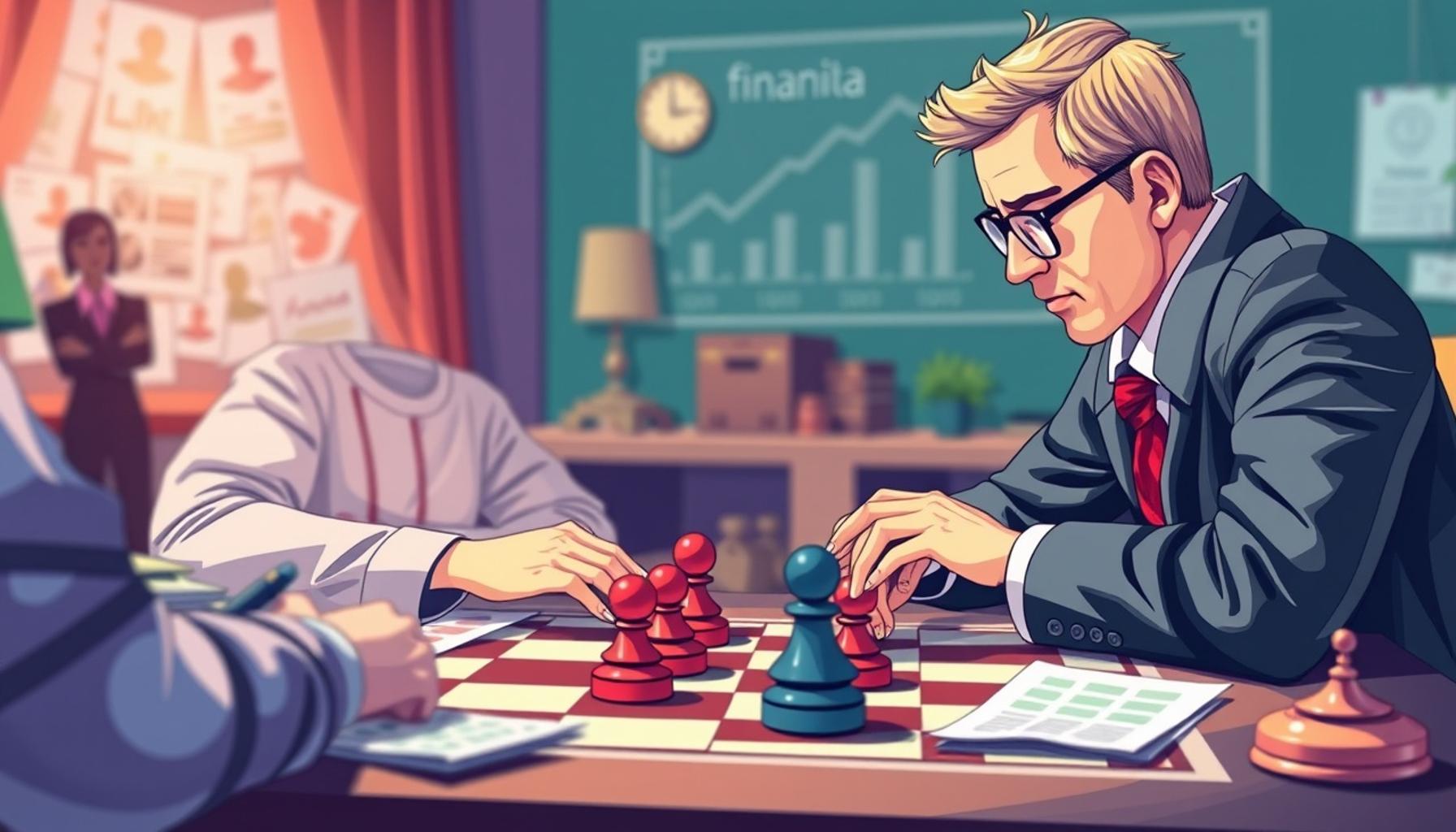
Mind Games and Puzzles: The Impact of Strategic Decisions on Cognitive Development
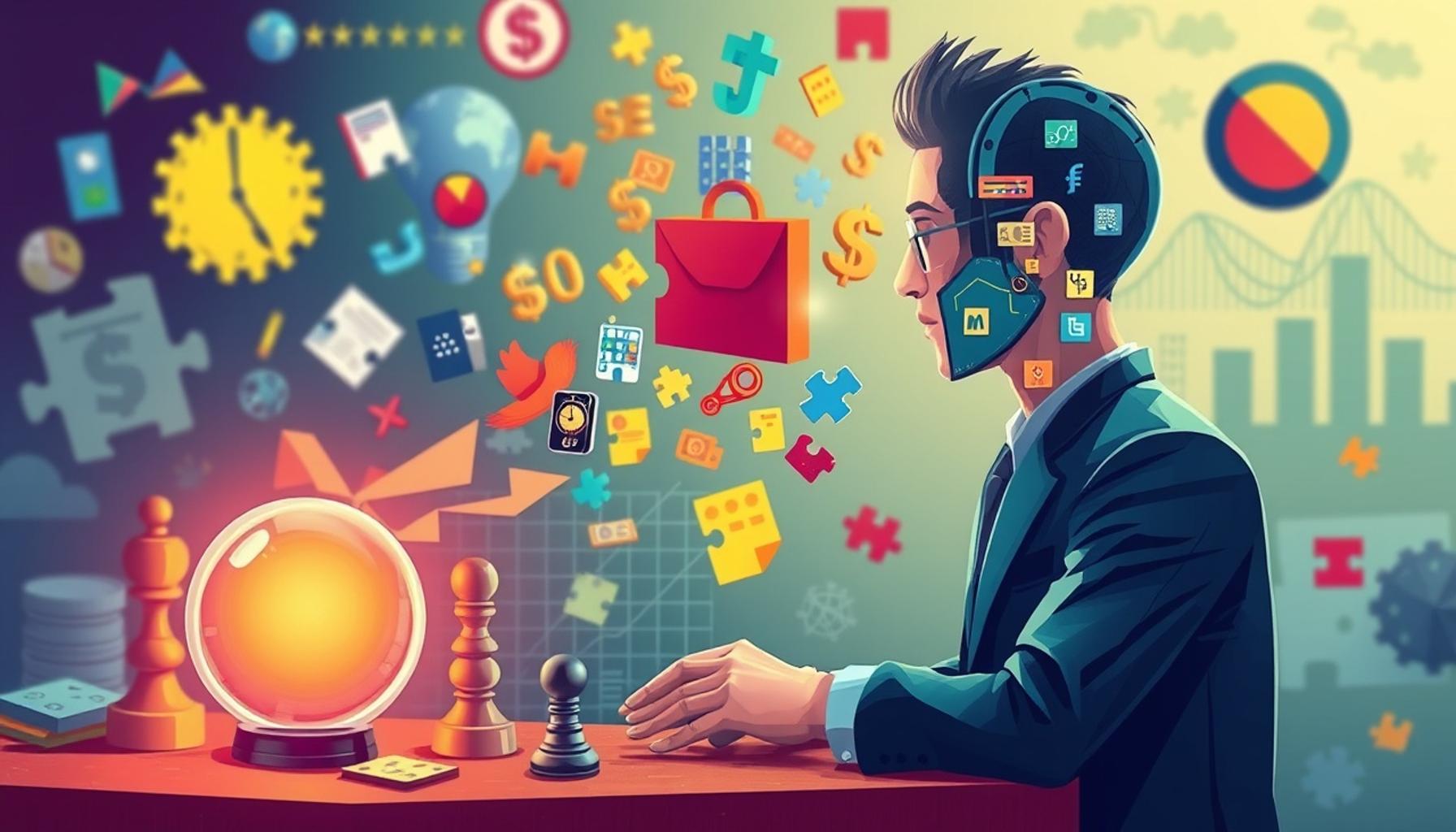
The Fascinating World of Cognitive Growth
Mind games and puzzles have captivated individuals for generations, transcending age and cultural boundaries. Far beyond mere entertainment, these mental challenges serve as vital instruments for enhancing cognitive abilities. By engaging our analytical faculties, they not only provide enjoyment but also pave the way for improved brain function and agility. The stimulating nature of these activities encourages players to think outside the box, strategize effectively, and make decisions that can have a meaningful impact on their cognitive development.
The significance of cognitive development cannot be overstated, as it plays a vital role in learning processes, decision-making, and real-life problem-solving. Mind games can particularly foster:
- Critical thinking: Engaging with complex scenarios and strategies helps an individual refine their analytical skills. For example, games like chess force players to consider multiple future outcomes, enhancing their ability to evaluate information diligently.
- Memory enhancement: Classic games such as Sudoku and memory card matching challenge players to recall patterns and numbers, effectively stimulating memory retention. Research has shown that regular practice with such games can lead to noticeable improvements in short-term and long-term memory.
- Strategic planning: Making judicious decisions in games translates well into real-life planning scenarios. For instance, navigating a game of Settlers of Catan requires resource management and negotiation tactics that can enhance an individual’s adaptability in various life situations.
As people immerse themselves in these captivating activities, they engage their brains in unconventional yet effective ways. The choices made during gameplay can mirror the complexities of real-world problems, offering valuable insights into strategic thinking and effective adaptation to change. This raises an interesting point: how do these seemingly simple games wield such a profound impact on our cognitive faculties?
Emerging research backs the notion that regular engagement with cognitive challenges can result in heightened mental agility, improved problem-solving capabilities, and enhanced creativity. Anecdotal evidence from avid gamers regularly highlights their experiences of experiencing boosts in their thought processes and mental stamina after only a few sessions.
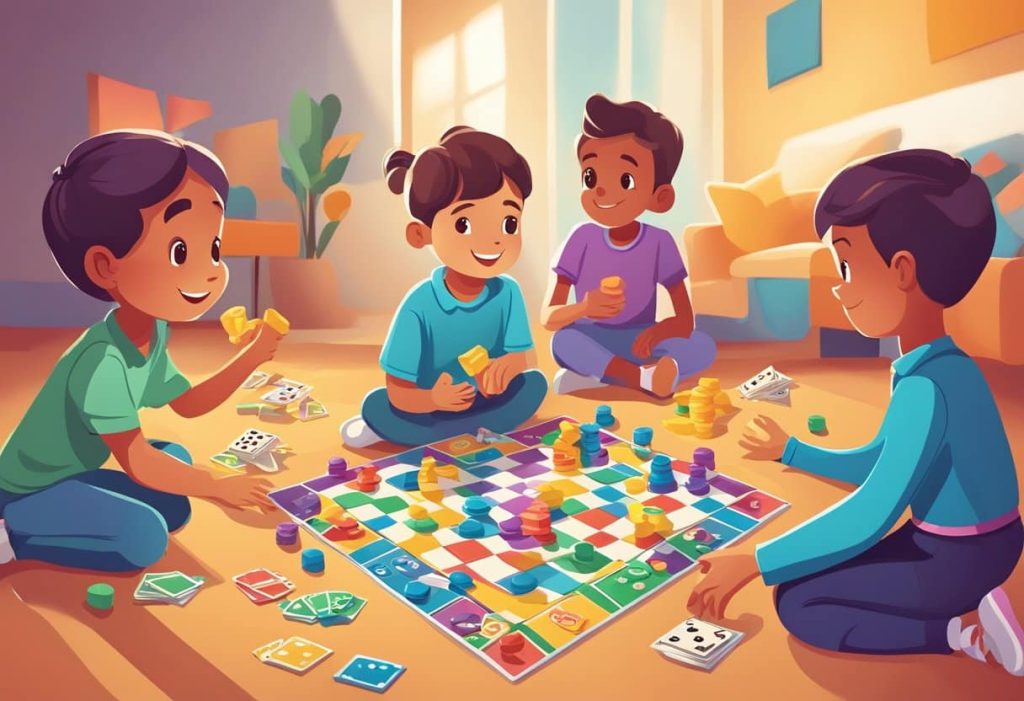
This article invites readers to explore the strong connection between mind games and cognitive development. By uncovering the intricate dynamics at play, we aim to provide a deeper understanding of how these engaging tools can enhance our mental capabilities. Whether through friendly competitions at home or online platforms, the benefits of these games can be profound, prompting players to develop skills that extend well beyond the gaming table.
DISCOVER MORE: Click here to deepen your understanding
Unlocking the Secrets of Mind Games
To truly grasp the profound impact of mind games and puzzles on cognitive development, one must dig deeper into the mechanics behind these activities. Each game serves as a miniature world where players are forced to confront challenges requiring diverse cognitive skills. This interaction ignites neural pathways, fuelling mental growth. But what specific cognitive skills are being enhanced, and how do these games stimulate our brains?
Research in psychometrics has revealed several cognitive domains that improve through strategic gameplay:
- Problem-solving skills: Engaging in games such as crosswords or logic puzzles challenges players to solve complex problems by employing a range of strategies. This cultivates versatility in approaching challenges, making individuals more resilient and adaptive in real-life situations.
- Focus and concentration: Games that require players to perform under pressure, like competitive card games or timed brain teasers, are instrumental in fine-tuning attention spans. This practice can be immensely beneficial, especially in our fast-paced world filled with distractions.
- Emotional intelligence: Multiplayer games often entail negotiation and cooperation, teaching players to navigate interpersonal relationships. Understanding opponents’ strategies not only fosters critical thinking but also helps individuals develop empathy and emotional awareness.
The essence of these cognitive skills stems not just from the act of playing but from the strategic decisions players must make during the game. Players analyze potential outcomes, weight their options, and recognize patterns—actions that mirror real life and cultivate a well-rounded decision-making framework. For instance, players of strategy games like Risk or Axis & Allies need to balance offense and defense, investing their resources wisely while anticipating the moves of their opponents. These dynamic interactions require mental calculus that enriches strategic thought and foresight.
Moreover, the insights gained from these games have sparked significant interest in the educational sector. Many educators now incorporate strategic games into learning curriculums to promote cognitive growth among students. The logic and reasoning skills honed in gaming can translate to academic success and a more profound understanding of various subjects, thus nurturing a love for lifelong learning.
As players continually navigate increasingly complex scenarios, they inadvertently engage in a form of cognitive training that enhances their brain’s ability to process and analyze information efficiently. This dynamic interplay encourages persistent learning and adaptation, and the lessons learned often extend far beyond the confines of traditional gameplay.
In chaining together the intricacies of strategy and cognitive enhancement, we unveil a compelling narrative. This connection propels us to explore, not just the inherent fun of these games, but their significant role as tools for enriching our cognitive capabilities. As we delve further into this topic, it becomes increasingly clear that mind games and puzzles are far more than a pastime; they are often the scaffolding for developing sophisticated cognitive infrastructures that empower individuals in their everyday lives.
Mind Games and Puzzles: Enhancing Cognitive Abilities
Mind games and puzzles have proven to be more than simple pastimes; they are powerful tools in enhancing cognitive development. Engaging in these activities stimulates various areas of the brain, leading to improved memory, sharper analytical skills, and greater focus. The continual process of strategizing and problem-solving encourages players to think critically and creatively, often resulting in significant improvements in everyday decision-making skills. Moreover, puzzles such as Sudoku and chess require players to anticipate their opponent’s moves and consider multiple outcomes, fostering a mindset geared towards strategic planning. This enhanced capability is not only beneficial in recreational settings but translates into real-world advantages, where quick, effective decision-making can make all the difference. As players engage with complex problems, they develop perseverance, mental agility, and a resilient mindset. The ability to navigate through difficult challenges can raise one’s self-esteem and motivation, creating a positive feedback loop that encourages continued engagement with cognitive exercises. These strategic decisions foster emotional stability and can even aid in reducing stress levels.The impact of mind games extends beyond the individual; engaging in these types of activities in group settings promotes teamwork and social interaction. Shared experiences in strategizing can enhance communication skills and build camaraderie among participants. To delve deeper into the advantages of incorporating mind games and puzzles into daily routines, let’s take a closer look at their specific benefits outlined in the table below.
| Category | Advantages |
|---|---|
| Cognitive Enhancement | Improves problem-solving skills and increases adaptability to new situations. |
| Social Interaction | Promotes teamwork and enhances communication through collaborative problem-solving. |
These examples illustrate why mind games and puzzles should not be underestimated. Engaging with these activities can lead to profound impacts on both cognitive functions and interpersonal relationships, paving the way for a more strategic and thoughtful approach to everyday challenges.
DIVE DEEPER: Click here to discover how logic puzzles boost your memory!
The Impact of Mind Games on Cognitive Skills
As the exploration of mind games and puzzles continues, it becomes evident that the cognitive advantages gained through strategic gameplay not only improve individual skills but also contribute to broader societal gains. Cognitive development has far-reaching implications that touch various domains, including emotional health, social interaction, and even career advancement. By understanding these connections, we can appreciate the full spectrum of benefits provided by engaging in these mental challenges.
A noteworthy area in which mind games play a transformative role is in enhancing memory functions. Studies show that regular engagement in memory-based games, like chess or memory card games, significantly boosts both short-term and long-term memory retention. The necessity of recalling rules, strategic moves, and opponents’ behaviors engages memory centers of the brain, reinforcing pathways that preserve information over time. Furthermore, researchers have identified a phenomenon known as cognitive reserve, where individuals who engage in challenging activities like puzzles show a slower rate of cognitive decline in later life, proving that the advantages extend well into aging.
Moreover, participating in puzzle-solving activities fosters creativity and innovation. Unlike traditional learning methods that often prioritize rote memorization, mind games encourage divergent thinking—the ability to generate multiple solutions from a single problem. This enhancement of cognitive flexibility allows individuals to approach challenges with a fresh perspective. Games like Sudoku or Rubik’s Cube prompt players to think outside conventional frameworks, planting the seeds for innovative ideas that could impact fields ranging from the arts to the sciences.
In the educational landscape, colleges and universities are increasingly recognizing the profound influence of strategic decision-making in mind games. Programs designed for engineering, business, and psychology students incorporate simulations and game theory to illustrate the complexities of real-world dilemmas. For instance, team-based strategy games can instill a sense of collaboration and leadership among participants, prime for those entering the competitive workforce. This experiential learning fosters essential skills, such as negotiation tactics and strategic planning, which are invaluable in professional contexts.
Additionally, the role of mind games and puzzles in enhancing attention spans and sustaining engagement is particularly pertinent in our technology-driven era. With a surge in digital distractions, the ability to concentrate on intricate puzzles offers a formidable counterbalance. Studies have found that the increased attention derived from playing video games—especially strategy-based titles—can improve performance across various cognitive tasks, influencing academic and occupational success positively.
As the adoption of mind games expands globally, the intersection of cognitive development, educational outcomes, and emotional well-being raises intriguing questions. While traditional learning environments have emphasized standardized testing and memorization, the growing understanding of strategic decision-making and its neurological implications invites a paradigm shift. As society pivots towards recognizing the value of creative and analytical thinking, the role of these games as cognitive tools will likely continue to evolve, making them a focal point for researchers, educators, and policymakers alike.
DISCOVER MORE: Click here to enhance your logical reasoning skills!
Concluding Thoughts on Mind Games and Puzzles
In summary, mind games and puzzles are not just entertaining pastimes; they are powerful tools for cognitive development, offering benefits that extend into multiple aspects of life. Through enhancing memory functions, fostering creativity, and promoting strategic decision-making, these activities lay the groundwork for improved mental agility that can positively influence personal, academic, and professional realms. As the evidence mounts regarding their impact on cognitive health and emotional well-being, the role of these games becomes increasingly critical in today’s fast-paced, distraction-filled environment.
Moreover, as we move towards an era that values innovation and critical thinking over rote memorization, integrating strategic gameplay into educational curricula may unlock new pathways to learning. The distinct capacity of mind games to enhance focus and cultivate problem-solving skills can equip individuals with the necessary tools to navigate complex challenges in an increasingly interconnected world. Researchers and educators alike are encouraged to explore how these activities can be harmonized with traditional learning to tap into the full spectrum of human potential.
In conclusion, as we delve deeper into the implications of engaging with mind games and puzzles, it is evident that they are not merely leisure activities but vital components of a well-rounded approach to cognitive health. This growing recognition may reshape how we view education, training, and personal development, making it imperative for stakeholders at all levels to champion the integration of these enriching practices into our daily lives.
Related posts:
The Role of Strategy Games in the Development of Emotional Intelligence: Navigating Relationships an...
Unveiling the Mathematics Behind Strategy Games: The Importance of Logical Reasoning in Everyday Ski...
The Impact of Strategy Games on Decision Making in Pressure Situations
Puzzles and Decisions: The Role of Strategic Thinking in Problem Solving
Developing Creativity Through Puzzles: The Intersection of Strategy and Innovation
Strategic Thinking in Card Games: Tactics and Psychology Behind the Moves

Linda Carter is a writer and puzzle expert specializing in mind games, brain teasers, and cognitive challenges. With extensive experience helping individuals enhance their problem-solving skills and think critically, Linda shares her knowledge on our platform. Her goal is to empower readers with practical advice, engaging puzzles, and strategies to sharpen their minds and achieve success in the captivating world of mind games and puzzles.