Strategy Games and the Psychology of Critical Thinking: Learning to Anticipate Opponent Moves
Exploring the Cognitive Benefits of Strategy Games
In a rapidly evolving society where problem-solving and quick thinking become essential skills, strategy games emerge as powerful avenues for enhancing cognitive capabilities. These games, whether board-based like chess or digital platforms such as StarCraft and Civilization, are not merely forms of entertainment but profound training grounds for critical thinking and real-world application.
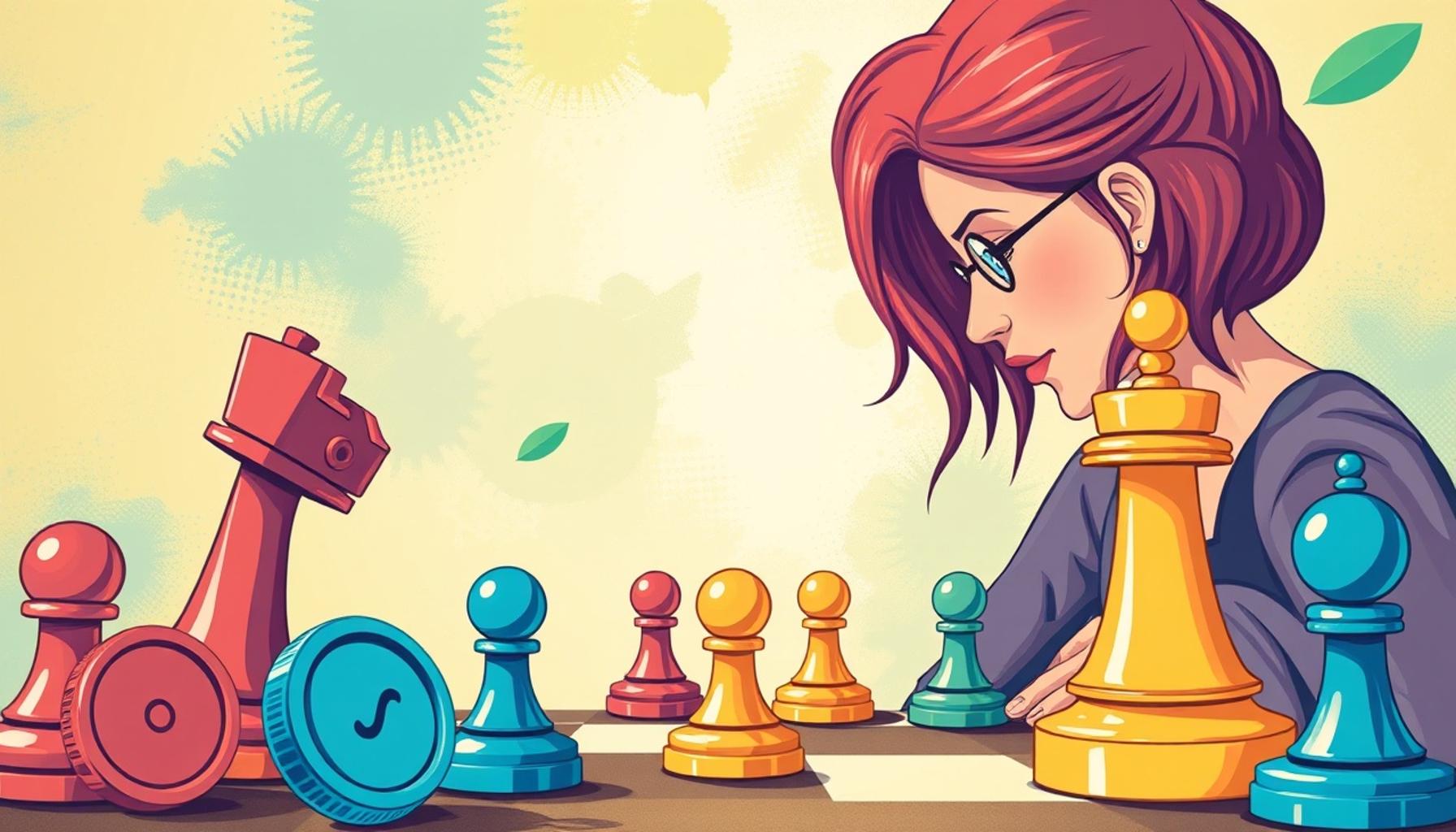
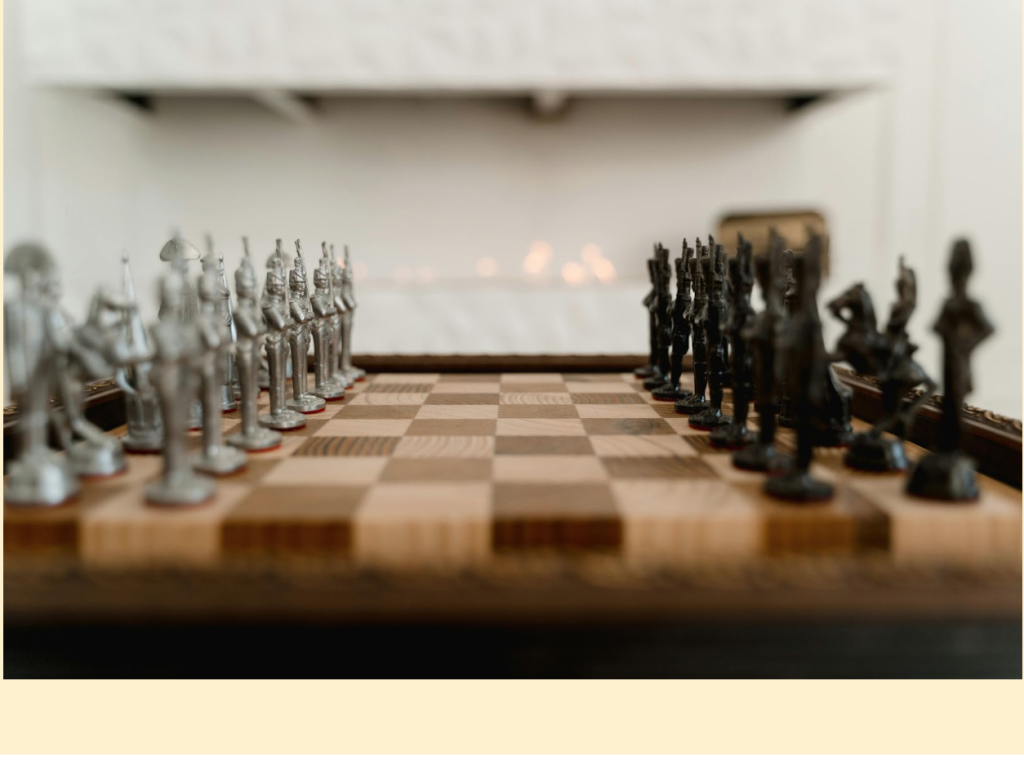
One of the most compelling aspects of strategy games is their ability to engage players in analytical thinking. Each move requires players to consider various possible scenarios, weighing risks against potential rewards. In a game of chess, for instance, a player must anticipate their opponent’s strategy several moves in advance, assessing potential outcomes to devise an effective counter-strategy. This analytical approach not only sharpens the mind but also enhances decision-making skills that can be applied outside the game environment, such as in business and personal interactions.
Enhancing Problem-Solving Skills
Moreover, every strategy game introduces unique challenges that need immediate resolutions, thereby fostering problem-solving abilities. In digital games like Civilization, players must manage resources, negotiate with other world leaders, and navigate complex political landscapes, all while ensuring their civilization’s prosperity. The necessity of making swift decisions under pressure hones a player’s capacity to address real-life problems, from handling workplace crises to managing personal dilemmas.
Mastering Pattern Recognition
Another critical skill sharpened through gameplay is pattern recognition. Players must identify trends and behaviors from their opponents to anticipate future moves. Recognizing a shift in a competitor’s strategy can be the difference between winning and losing in interactive environments. This skill encourages a deeper understanding of psychological tactics that are applicable in various aspects of life, from understanding social dynamics to navigating complex relationships.
The landscape of strategy gaming continues to diversify. Mobile games and online platforms have made these intellectually stimulating experiences accessible across demographics. Titles such as Hearthstone and Fortnite demand not just reflexes but also strategic foresight, allowing players to immerse themselves in scenarios that mimic real-world strategic challenges.
By consistently engaging with these games, individuals do not just aim for victory; they build a proactive mindset that prepares them for potential obstacles in life. The skills cultivated through strategic gameplay can aid in achieving personal growth and success in various fields. This article highlights the intricate relationship between strategy games and the psychology of critical thinking, urging individuals to explore these interactive experiences as vital tools for enhancing cognitive development.
DISCOVER MORE: Click here to delve deeper
Developing Strategic Insight Through Gameplay
Strategy games serve as a fascinating intersection of cognitive science and entertainment, illustrating how engaging in these activities can significantly enhance players’ critical thinking skills. A noteworthy aspect of these games is their requirement for players to engage in forward-thinking. Unlike many traditional games that rely largely on chance, strategy games compel players to analyze their surroundings and to envision possible future moves of both themselves and their opponents.
At the heart of mastering any strategy game lies the capacity to anticipate opponent moves. This involves reading the tendencies and strategies of others, which becomes increasingly complex as the game progresses. For instance, in a game like chess, players must not only be aware of the immediate tactical opportunities but also predict the opponent’s long-term strategies. This involves a deep level of cognitive processing that includes:
- Situational Awareness: The ability to constantly assess the game board or scenario for changes and opportunities.
- Risk Assessment: Evaluating potential threats and weighing them against the benefits of different moves.
- Resource Management: Strategically allocating limited resources, whether they be pieces on a board or units in a digital game, to maximize impact.
- Adaptability: Adjusting strategies in response to opponents’ moves and unforeseen complications on the battlefield.
Research has shown that individuals who engage regularly with strategy games develop sharper cognitive skills that extend into their daily lives. For example, professionals in fields like finance or management often find their decision-making processes enhanced by the skills they hone in strategy gaming. The ability to predict a competitor’s actions or adapt strategy in high-stakes environments mimics real-world scenarios that require quick and effective decisions.
The subtle art of predicting opponent moves does not just serve in gaming; it resonates in interpersonal relationships and workplace dynamics as well. Understanding how others think—what drives their decisions and how they might react in various situations—can dramatically influence one’s approach in negotiations, collaborations, and conflict resolutions. In essence, players cultivate a mental toolkit that aids in deciphering complex human behavior, which is invaluable beyond the confines of a game board or screen.
As these cognitive skills thrive through consistent gameplay, individuals also learn the importance of foresight and strategic planning. Whether it’s positioning a knight on a chessboard or deploying troops in a real-time strategy game, every decision echoes the importance of anticipating and preparing for the unexpected. By embracing the challenges presented in these games, players not only strive for victory but, importantly, lay the groundwork for enhanced critical thinking skills that will benefit them throughout their lives.
| Category | Key Features |
|---|---|
| Strategic Thinking Skills | Games empower players to develop problem-solving skills, allowing them to weigh options and make informed decisions. |
| Anticipating Opponent Moves | By learning to predict others’ behaviors, players sharpen their analytical skills and enhance their understanding of human psychology. |
| Game Theory Application | Applying principles of game theory in strategy games improves the ability to strategize based on various outcomes. |
| Cognitive Flexibility | Engaging in strategy games fosters adaptability as players learn to pivot strategies in response to changing circumstances. |
The exploration of strategy games unveils a rich tapestry of cognitive development and psychological insights. For instance, the role of strategic thinking skills cannot be overstated; these skills evolve through rigorous gameplay that requires not only careful planning but also the consideration of multiple potential outcomes. This leads to a profound understanding of game mechanics and human behavior, enriching the overall intellectual experience.Moreover, the ability to anticipate opponent moves is a hallmark of advanced players. It illuminates the essence of psychological engagement within these games, as understanding an opponent’s mindset becomes crucial for success. This ability transcends the gaming world, offering players insights applicable to real-life situations, such as negotiations and conflict resolution.In essence, engaging with strategy games is much more than mere entertainment; it serves as a vehicle for enhancing critical thinking, fostering cognitive flexibility, and applying game theory in a practical context. Therefore, the journey through the realm of strategy games is not just a game but a profound learning experience that cultivates essential life skills.
DIVE DEEPER: Click here to discover more
The Psychology Behind Anticipation in Strategy Games
Delving deeper into the realm of strategy games reveals the intricate psychological mechanisms that influence how players anticipate their opponents. These mechanisms encompass not just cognitive skills but also emotional intelligence and behavioral predictions. The ability to forecast how opponents will react to certain moves often derives from a blend of experience, pattern recognition, and an understanding of psychological cues.
One predominant aspect of this is known as theory of mind, which refers to the capability to attribute mental states—beliefs, intents, desires—to oneself and others. Players who excel in anticipating moves often develop a heightened sense of empathy, enabling them to infer what their opponents are thinking or feeling. This can manifest in recognizing tells in the opponent’s behavior or potential emotional responses based on the game’s progression.
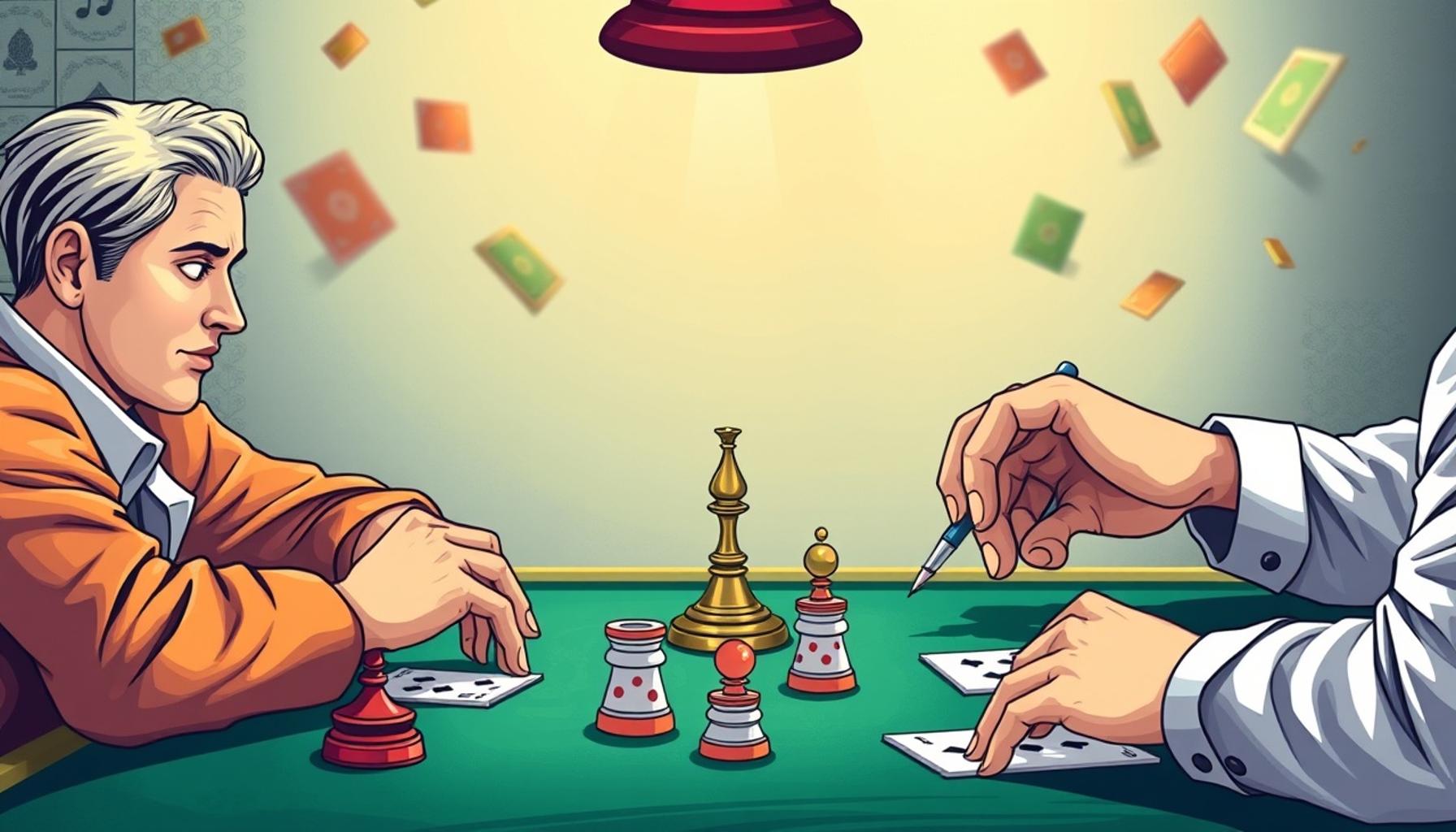
Furthermore, there is a concept within game theory known as mixed strategies, where unpredictability becomes a vital factor. Top players often exhibit a blend of similar but varied tactics, preventing their opponents from easily predicting their moves. The psychological thriller of ‘guessing their guess’ takes center stage. For instance, in a high-stakes poker match—while the cards in play provide a strategic framework—it’s often the players’ psychological tactics that tip the scales. This unpredictable nature adds an entertaining layer to the cognitive processes involved in playing strategy games.
Strategic gamers frequently analyze the patterns and histories of their competitors’ play styles, searching for weaknesses to exploit. Engaging in this dynamic creates an environment where players not only become adept at anticipating moves, but they also hone their skills in problem-solving and adapting under pressure. For example, in a game like StarCraft II, players must respond to their opponent’s growing forces while enhancing their own strategy—a classic example of real-time decision-making that requires not only quick thinking but also the ability to predict an opponent’s next attack or defense maneuver.
This psychological engagement extends beyond the confines of gaming scenarios and can significantly impact various life aspects. For instance, mentor-mentee relationships or competitive workplace settings often require individuals to gauge the strengths and strategies of others. A salesperson who understands a client’s behavior patterns can tailor pitches more effectively, and a manager who predicts team dynamics can foster a more productive environment. The skills developed through strategy games offer valuable advantages in these realms, aiding in both personal and professional developments.
Moreover, the learning trajectory within strategy games showcases the importance of experience in developing anticipatory skills. The more one plays, the more nuances they begin to recognize in the decision-making processes of opponents. This intricate dance between players is not just about the mechanics of winning; it roots itself in an ongoing exploration of human psychology and decision dynamics. Strategy gamers often reflect on past moves to understand what could have been done differently—a practice that cultivates a critical thinking framework applicable to real-world challenges.
Overall, the interplay between strategy gaming and cognitive psychology underscores a powerful narrative about human interaction and comprehension. As players immerse themselves in these competitive environments, they are not merely seeking victory; they are embarking on a profound journey of mental growth, resilience, and an understanding of the human experience. This ongoing interplay of thought and anticipation in strategy games paves the way for both skill development and personal evolution, showcasing the profound impacts these activities have on our cognitive and psychological development.
DISCOVER MORE: Click here to dive deeper
Conclusion
As we explore the intersection of strategy games and the psychology of critical thinking, it becomes evident that these competitive ventures extend far beyond mere entertainment. The nuanced skills acquired through gaming—anticipation, empathy, and adaptability—cultivate vital cognitive and emotional intelligence that resonates in many real-world scenarios.
Players engaging in strategy games are not just strategizing for victory; they are participating in a complex mental exercise that sharpens their ability to predict others’ moves. Whether it’s during a heated match of chess or a tense poker game, the ability to read opponents is deeply rooted in the understanding of human psychology, emotional cues, and behavioral patterns. This capability, fueled by the theory of mind and principles of mixed strategies, not only empowers players within the confines of the game board but also enriches their interactions in everyday life.
Furthermore, the practice of reflection on past performances and the replication of strategic methods lead to a continuous cycle of learning and growth—an invaluable lifeskill applicable in various domains such as the workplace and personal relationships. As strategic thinkers turn these experiences into applicable skills, they develop resilience and enhance their problem-solving capabilities.
Ultimately, engaging with strategy games fosters an environment where critical thinking is not merely a tool for winning but a cornerstone of personal evolution and understanding the human experience. This journey of mental growth signifies the profound impact that strategy games can have—not just as a leisure activity but as a transformative learning experience that prepares individuals for the complexities of life.
Related posts:
The Impact of Strategy Games on Decision Making in Pressure Situations
The Role of Strategy Games in the Development of Emotional Intelligence: Navigating Relationships an...
The Art of Strategic Thinking in Board Games: How Mental Challenges Sharpen Planning Skills
Unveiling the Mathematics Behind Strategy Games: The Importance of Logical Reasoning in Everyday Ski...
Puzzles as Learning Tools: Stimulating Strategic Thinking in Children
Strategic Thinking and the Art of Negotiation in Board Games: Tactics to Win Conflicts

Linda Carter is a writer and puzzle expert specializing in mind games, brain teasers, and cognitive challenges. With extensive experience helping individuals enhance their problem-solving skills and think critically, Linda shares her knowledge on our platform. Her goal is to empower readers with practical advice, engaging puzzles, and strategies to sharpen their minds and achieve success in the captivating world of mind games and puzzles.