
Developing Social Skills through Card Games and Cooperative Puzzles
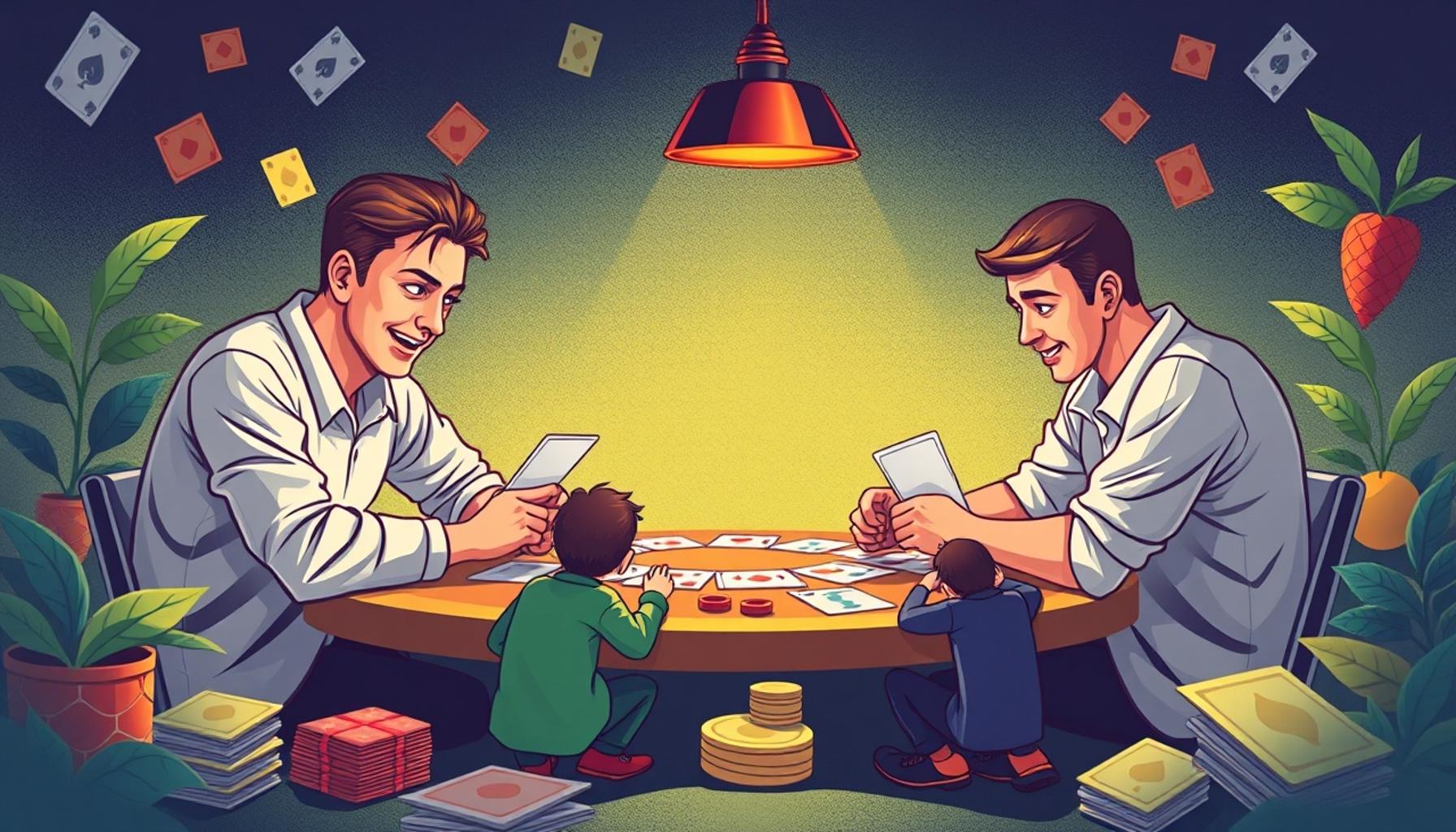
Unlocking Social Skills with Card Games and Puzzles
In today’s fast-paced digital world, the importance of social skills cannot be overstated. Engaging in face-to-face interactions is crucial for personal growth and development. One of the most enjoyable ways to cultivate these skills is through card games and cooperative puzzles. These seemingly simple pastimes reveal profound educational value that extends well beyond recreation.
Why are these activities effective? They provide a structured environment where individuals can practice essential interpersonal skills. The key benefits include:
- Communication: Players must express their thoughts and strategies clearly. For instance, in games like Poker, players engage in discussions about their hands without revealing too much information, sharpening their ability to convey messages effectively while analyzing others’ responses.
- Teamwork: Working collaboratively towards a common goal enhances group dynamics. In cooperative puzzles, such as 1000-piece jigsaw challenges, participants must distribute tasks and communicate their findings, fostering a spirit of collaboration.
- Problem-Solving: Overcoming challenges together builds resilience and creativity. Many card games, like Uno, require players to adapt their strategies based on opponents’ moves, enhancing critical thinking and flexibility.
Research shows that participating in games increases emotional intelligence and empathy. For instance, children exposed to social gaming environments are more likely to:
- Develop positive relationships: Engaging with peers in a fun context helps to break the ice and build friendships.
- Improve conflict resolution skills: Negotiating rules and settling disputes during gameplay teaches valuable problem-solving techniques.
- Enhance critical thinking capabilities: Analyzing options in games like Rummy or Settlers of Catan fosters strategic thinking and foresight.
Engaging with card games like Poker, Uno, or even classic games like Rummy, alongside cooperative puzzles encourages players to interact genuinely. This interaction makes learning social nuances both fun and effective. Research supports that these activities not only entertain but also serve as vital educational tools. Consider how schools and community centers increasingly incorporate games into their classrooms and after-school programs to enrich students’ social experiences.
As we delve into this fascinating intersection of leisure and personal development, discover how these activities can be powerful tools in enhancing social competencies. From fostering lasting friendships to building life’s essential skills, the world of card games and puzzles awaits your exploration and engagement.
DISCOVER MORE: Click here to find out how logic games boost your analytical skills
Building Foundations of Connection
Card games and cooperative puzzles are more than mere pastimes; they serve as foundational tools for developing social skills that can significantly impact individual growth and interpersonal relationships. By engaging in these activities, players not only learn to navigate social dynamics but also enhance their emotional literacy, a crucial aspect of effective communication.
Research highlights that playing card games requires participants to engage in strategic thinking while interacting with others. Games like Bridge or Hearts demand not only a sharp mind but also a keen awareness of social cues. Players must read the emotions and behaviors of their opponents, interpreting tells that can influence their next move. This interaction fosters a heightened sense of empathy, as individuals become attuned to nonverbal signals and the feelings of those around them. Such experiences lay the groundwork for building respectful relationships and learning to navigate complex social situations.
Cooperative puzzles, in contrast, focus more on teamwork and collaboration. When faced with a large jigsaw puzzle, participants encounter various challenges that necessitate communication, negotiation, and shared problem-solving efforts. In this setting, players must articulate their thoughts clearly, discussing where pieces fit or how to divide tasks effectively which in turn promotes active listening—a key component of effective communication.
Consider the benefits of engaging in these activities, which can be categorized into several core learning outcomes:
- Enhanced Communication Skills: Effective communication goes beyond simply speaking; it involves listening, understanding, and responding appropriately. Through games that require dialogue and discussion, players cultivate the ability to express themselves clearly and engagingly.
- Adapting to Social Dynamics: Card games often involve changing rules, strategies, and alliances. Players learn to navigate these dynamics, which fosters adaptability and resilience in social contexts.
- Building Trust and Respect: Cooperative puzzles emphasize the importance of trusting team members and respecting diverse opinions. Working together towards a common goal fosters a sense of community and belonging.
Moreover, the structure of these games provides a safe space for individuals, particularly children and adolescents, to practice social interactions without the fear of harsh consequences. The competitive yet friendly atmosphere encourages players to take risks, make mistakes, and learn from those experiences, all while developing essential conflict resolution skills.
As we explore this intersection of leisure and social learning further, it becomes evident that card games and cooperative puzzles unlock the door to a world where social skills flourish. By integrating these timeless activities into our lives, we not only enjoy ourselves but also cultivate deeper connections with others, transforming the way we engage in our communities.
| Advantages | Description |
|---|---|
| Enhances Communication Skills | Playing card games requires players to communicate effectively, fostering verbal and non-verbal skills. |
| Encourages Teamwork | Cooperative puzzles depend on teamwork, teaching individuals to collaborate and build stronger relationships. |
| Promotes Problem-Solving | Both card games and puzzles challenge players to strategize, developing critical thinking and problem-solving skills. |
| Builds Confidence | Winning games or completing puzzles boosts self-esteem, encouraging positive social interactions. |
Card games and cooperative puzzles are more than mere entertainment; they serve as vital tools in nurturing essential social skills. Through engaging gameplay, players experience real-time interactions that propel their verbal communication and collaboration abilities forward. In a world where social dynamics play a crucial role, cultivating these skills can significantly enhance personal and professional relationships. Delving deeper, participants must often articulate strategies, negotiate roles, and navigate varying personalities. This multifaceted interaction can lead to observable improvements in emotional intelligence and empathy, making these activities not only enjoyable but also transformative. As players tackle challenges collectively, they learn to appreciate diverse perspectives, fostering a sense of community and shared success. By integrating card games and cooperative puzzles into social settings, individuals can unlock an enriching pathway to better interpersonal dynamics and lasting friendships.
DISCOVER MORE: Click here to dive deeper
Nurturing Teamwork and Strategic Thinking
In addition to fostering individual social skills, card games and cooperative puzzles play a vital role in enhancing teamwork and group dynamics. Games like Uno or Settlers of Catan provide players with opportunities to collaborate towards common objectives while negotiating and strategizing together. This setup encourages individuals to not only assert their ideas but also consider the contributions of others, which is essential for fostering a collaborative spirit. In settings such as classrooms or family gatherings, these games can break the ice, sparking conversations that lead to deeper learning about each other.
When engaging in card games, players often find themselves in positions where they must work together to defeat a common opponent. This aspect introduces the concept of collective success, as seen in games like Hanabi, where all players must coordinate their moves to achieve the highest score. The mechanics of working as a cohesive unit cultivate a sense of shared responsibility; participants learn to weigh individual goals against group achievements, emphasizing the importance of personal sacrifice for the greater good.
Similarly, cooperative puzzles encourage individuals to embrace strategic thinking when facing challenges as a team. For instance, assembling a complex puzzle not only requires visual-spatial skills but also the ability to delegate responsibilities based on each person’s strengths. Players might opt to divide the puzzle into sections that suit their abilities, illustrating how teamwork can lead to effective problem-solving. This collaborative process nurtures an understanding that diverse perspectives can lead to more robust solutions, reinforcing the principle that together, one can achieve more than alone.
Moreover, the shared experience of playing these games serves as a platform for building lasting friendships. According to studies, structured activities that involve teamwork can lead to increased social cohesion, especially among children, who learn essential qualities like patience, cooperation, and conflict resolution that are crucial in their formative years. By participating in these interactions through card games and puzzles, individuals can navigate the intricacies of friendship formation within a supportive environment that encourages frequent engagement.
Notably, these activities transcend mere entertainment—they can be instrumental in developing crucial life skills. For example, critical thinking is honed through evaluating card-playing strategies or analyzing puzzle shapes and colors. Players become adept at weighing risks and making informed decisions, abilities that resonate beyond the game table into everyday life, affecting academic performance and professional environments. Research indicates that those who partake in strategic games often demonstrate improved analytical skills, which can enhance their academic achievements and future career prospects.
The cultural implications of engaging with card games and puzzles also warrant attention. In many American households, these activities have become cherished traditions that bridge generational gaps, allowing families to interact and bond over shared challenges. From marathon games of Poker to collective efforts on complex puzzles, families can strengthen their ties while imparting social values to younger members. Through these shared experiences, parents and grandparents can guide the younger generations in understanding the nuances of social interaction, thereby fostering a more socially adept society.
As the trend of social media and technology continues to shape our interaction standards, the time-honored experiences of card games and cooperative puzzles remain essential to preserving authentic social skills. Embracing these activities offers individuals of all ages a valuable toolkit for navigating interpersonal relationships while enjoying the fun of learning together.
DISCOVER MORE: Click here to learn how logic games boost your analytical skills
Conclusion: The Enduring Value of Play in Social Development
In an age dominated by technology, the significance of card games and cooperative puzzles as tools for developing social skills cannot be overstated. These age-old activities not only provide entertainment but also foster essential interpersonal competencies that are crucial for personal and professional success. Engaging in these interactive experiences aids in cultivating skills such as teamwork, critical thinking, and conflict resolution, all within a fun and nurturing environment.
As we’ve explored, games like Uno and Settlers of Catan teach players to communicate effectively, negotiate, and strategize collectively, reinforcing the importance of collaboration. Meanwhile, the experience of piecing together puzzles promotes problem-solving and decision-making, as individuals learn to work towards a shared goal while recognizing the value of diverse contributions. These interactions serve to strengthen friendships and family bonds, providing a foundation of trust and mutual understanding.
Research highlights that participation in structured play can significantly enhance social cohesion, particularly among young people. This experience is instrumental in shaping their social adeptness, equipping them to face the challenges of an increasingly interconnected world. Furthermore, as families gather around the game table, they create lasting memories and impart vital social values, effectively bridging generational gaps.
Ultimately, embracing the timeless tradition of card games and cooperative puzzles can empower individuals of all ages to navigate their social landscapes more effectively. To continue developing crucial life skills, we must recognize and promote the unmatched educational and bonding potential these activities offer. Balancing the reliance on modern technology with these engaging forms of play ensures that we nurture a well-rounded, socially competent generation ready to thrive in the real world.
Related posts:
The Impact of Board Games on Group Problem-Solving Ability
Mindfulness and Puzzles: The Connection Between Focus and Problem Solving
Recreational Mathematics: Using Number Puzzles to Develop Analytical Skills
The Benefits of Word Games in Improving Logic and Reasoning
Mental Challenges: How Logic Games Improve Our Problem-Solving Skills
The Art of Solving Puzzles: Strategies and Techniques of Critical Thinking

Linda Carter is a writer and puzzle expert specializing in mind games, brain teasers, and cognitive challenges. With extensive experience helping individuals enhance their problem-solving skills and think critically, Linda shares her knowledge on our platform. Her goal is to empower readers with practical advice, engaging puzzles, and strategies to sharpen their minds and achieve success in the captivating world of mind games and puzzles.