The Art of Solving Puzzles: Strategies and Techniques of Critical Thinking

Unlocking the Mind’s Potential
Puzzles are not just a pastime; they are a gateway to enhancing our critical thinking skills. Engaging in puzzles can transform the way we approach problems and foster creative solutions. From jigsaw puzzles to logic games, the act of piecing together different elements sharpens our cognitive abilities. For instance, assembling jigsaw puzzles enhances spatial reasoning, while Sudoku can improve mathematical prowess. Each puzzle type offers a unique set of challenges, stimulating various parts of the brain and encouraging a holistic approach towards thinking.
Why Puzzles Matter
Understanding the mechanics of solving puzzles unveils deeper insights about mental processes. Here are several reasons why they are beneficial:
- Improved problem-solving skills – Tackling various challenges enhances analytical thinking. Completing a crossword puzzle, for example, requires not only vocabulary knowledge but also the ability to infer words from intersecting letters, which sharpens deductive reasoning.
- Enhanced memory – Engaging with puzzles necessitates recalling information and applying it effectively. Consider how remembering the locations of pieces in a memory game can stimulate both short-term and long-term memory improvements.
- Increased concentration – Completing puzzles demands focus, training the mind to overlook distractions. This ability can translate well into daily life, where maintaining concentration is critical for productivity.
Techniques for Mastering Puzzles
Employing effective strategies can elevate your puzzle-solving experience significantly. Consider these techniques:
- Break it down – Analyze each component before attempting to put everything together. For jigsaw puzzles, separate edge pieces from inner pieces to create a framework before progressing.
- Look for patterns – Patterns often provide hints that can simplify complex challenges. In logic puzzles, identifying common sequences can often speed up the solving process immensely.
- Stay patient – Taking breaks can rejuvenate your thought process and lead to breakthroughs. Research shows that stepping away from a challenging problem can provide clarity when returning with fresh eyes.
As we delve deeper into the art of puzzle-solving, we uncover the intricacies of critical thinking that are cultivated through these engaging activities. With every puzzle completed, we develop a toolkit for navigating life’s challenges, proving that the mind truly has a remarkable capacity for growth and adaptation through the simple act of play.
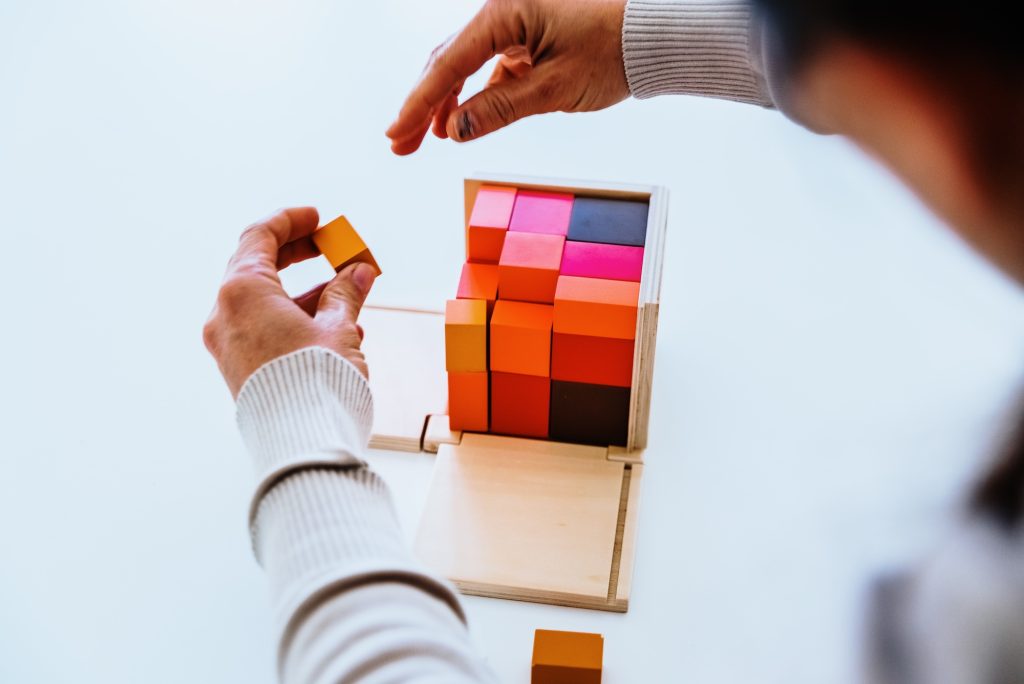
DIVE DEEPER: Click here to discover the benefits of logical puzzles for children’s learning
Decoding the Challenge: Types of Puzzles
The realm of puzzles is vast and varied, encompassing a wide array of formats that cater to different interests and skill levels. Each type of puzzle not only entertains but also subtly nudges our cognitive faculties, inviting us to exercise our critical thinking capabilities. Exploring the unique characteristics of different puzzles allows us to harness specific strategies that can enhance our problem-solving finesse. Here, we categorize some prevalent puzzle types that are popular in the United States:
- Logic Puzzles – These puzzles invite players to use deductive reasoning to uncover solutions based on a set of given conditions. Classic examples include the well-known “Zebra Puzzle” or Sudoku, which promote logical deductions and mathematical reasoning. Engaging with these puzzles sharpens our ability to analyze situations and draw conclusions based on limited information.
- Crossword Puzzles – Sure to be found in every Sunday newspaper, crosswords challenge our vocabulary and general knowledge. The interplay of intersecting words not only tests our language skills but also encourages lateral thinking as one must consider multiple perspectives to fill in the blank squares.
- Jigsaw Puzzles – These familiar pieces often require a blend of visual acuity and spatial reasoning. When assembling a jigsaw puzzle, participants must recognize color patterns, shapes, and edge connections, resulting in improved spatial awareness and detail orientation. The multi-dimensional aspect of jigsaws enables players to visualize the final image while working on individual pieces, fostering strategic foresight.
- Mathematical Puzzles – Think of brain teasers like the “Tower of Hanoi” or various number riddles. These puzzles challenge players to think abstractly, often requiring the application of mathematical concepts in unexpected ways. Solving such puzzles reinforces numerical proficiency and critical thinking as players navigate through patterns and quantities.
Each of these puzzle types offers its own set of challenges and learning opportunities. By diving into their intricacies, we can identify which strategies are most effective for various scenarios. When approaching puzzles, it is essential to be adaptable, as what works for one type may not yield the same results for another. This necessity for strategic flexibility not only enriches our puzzle-solving skills but also reflects essential aspects of critical thinking.
Critical Thinking in Action
Understanding how to leverage different strategies effectively involves a defined mindset that embraces inquiry and exploration. As puzzle enthusiasts refine their approaches, they inevitably hone their critical thinking skills. For instance, when presented with a challenging crossword puzzle, one might:
- Analyze clues carefully – Each hint serves as a portal to understanding the desired answer. Dissecting these clues involves questioning their relationship with the surrounding words.
- Employ educated guesses – In moments of uncertainty, making informed guesses based on partial knowledge can often lead to significant breakthroughs.
- Collaborate – Engaging with others often unveils new perspectives. Group puzzle-solving can stimulate dialogue, leading to shared learning experiences that deepen critical thinking.
As we navigate the vibrant landscape of puzzles, it becomes clear that these engaging challenges not only entertain but also cultivate indispensable skills for daily life. The art of puzzle-solving is both a mental workout and an avenue for enriching our cognitive toolkit, unveiling strategies and techniques that resonate far beyond the confines of the game.
In the realm of critical thinking, puzzles serve as an invaluable tool for honing analytical skills. Engaging in various types of puzzles not only enhances cognitive abilities but also fosters creative problem-solving strategies. As individuals encounter intricate challenges, they learn to navigate through complexity, improving their decision-making processes. Let’s delve into some advantages that this intriguing approach offers.
| Category | Description |
|---|---|
| Enhanced Logical Reasoning | Puzzles challenge the mind to develop strong logical frameworks, enabling clearer thought processes. |
| Improved Focus and Concentration | Engaging with puzzles requires sustained attention, which helps in cultivating better concentration skills. |
Moreover, the act of solving puzzles can significantly contribute to emotional well-being. As people tackle and conquer these brain teasers, they experience a profound sense of satisfaction and achievement. This psychological boost can enhance motivation and persistence in various life aspects, equipping individuals to handle challenges more effectively. Being able to think critically allows one not just to solve puzzles but also to approach real-world problems with a trained and adaptable mindset.
Emphasizing collaboration, many puzzles can also be tackled in groups, promoting teamwork and communication. This aspect encourages diverse viewpoints, enhancing the overall problem-solving process. Thus, embracing the art of solving puzzles not only sharpens mental faculties but also nurtures vital life skills that extend beyond the sphere of logical thinking. As one explores various strategies and techniques, the journey becomes as enriching as the solutions themselves.
DIVE DEEPER: Click here to enhance your memory with crossword puzzles
Building a Puzzle-Solving Framework
To master the art of solving puzzles, it’s beneficial to develop a structured approach that combines various strategies tailored to different puzzle types. Establishing a problem-solving framework lays the groundwork for tackling puzzles with greater efficiency and enjoyment. Here, we delve into curated strategies that can serve as guides to enhance critical thinking and foster a more immersive puzzle-solving experience.
Visualize the Bigger Picture
When faced with intricate puzzles, visualization emerges as a powerful technique. For example, in jigsaw puzzles, before diving into assembly, it’s advantageous to lay out all pieces where they can be viewed simultaneously. This allows solvers to discern color groupings, edge pieces, and distinguish patterns that may not immediately be evident. A similar approach can be applied to logic puzzles where mapping out relationships or creating diagrams can unearth hidden connections.
Deconstructing the Puzzle
Another effective strategy is deconstruction, which involves breaking down the puzzle into manageable components. This method can be particularly useful in complex crosswords or logic puzzles. When solving a crossword, one might work on filling in the answers that are easiest first. This not only provides a foothold but also leads to subsequent answers through intersecting letters. In mathematical puzzles, deconstruction can mean simplifying the problem into smaller equations or steps, making abstract concepts more approachable.
Focus on Patterns and Trends
Patterns are the core of many puzzles, often revealing the underlying logic required for their solution. Identifying trends can expedite the problem-solving process significantly. For example, in Sudoku, observing number placements and progressions provides insights into possible locations for missing numbers. Furthermore, statistical puzzles based on probability require recognizing and analyzing trends to predict outcomes, helping enhance both analytical and critical thinking.
Practice Mindfulness and Patience
The mental discipline inherent in puzzle-solving cannot be overstated. Embarking on challenging puzzles often leads to frustration; thus, cultivating mindfulness and patience becomes paramount. This approach not only enhances focus but also allows the solver to approach the problem with a fresh perspective. Taking breaks to step away from a puzzle has proven effective in revealing solutions that may have otherwise been overlooked, thereby encouraging critical thinking.
Utilizing Resources and Tools
In the digital age, a host of resources is available to augment the puzzle-solving experience. Online communities, puzzle-solving websites, and mobile applications provide a wealth of guidance and tips. Engaging with these resources can introduce new perspectives and foster collaborative problem-solving. For instance, platforms like Reddit have vibrant communities dedicated to various types of puzzles where enthusiasts share insights and strategies, creating a collaborative ecosystem enriched with collective wisdom.
By employing these strategies within their unique problem-solving framework, puzzle enthusiasts can not only enhance their critical thinking skills but also cultivate a sense of joy and accomplishment. Embrace the art of puzzle-solving with an open mind, and each challenge becomes an opportunity to learning and growth.
DIVE DEEPER: Click here to discover the cognitive benefits of word games
Conclusion: Harnessing the Power of Puzzles for Critical Thinking
In conclusion, the art of solving puzzles transcends mere entertainment; it serves as a robust training ground for critical thinking and mental agility. The strategies and techniques outlined—be it through visualization, deconstruction, pattern recognition, mindfulness, or utilizing resources—are invaluable tools that can transform the way individuals approach problems beyond puzzles. By consciously applying these methods, solvers not only enhance their logical faculties but also nurture a persistent curiosity that fuels lifelong learning.
Engaging with puzzles fosters a sense of achievement and purpose. Each solved challenge becomes more than a mere victory; it’s an affirmation of one’s analytical capabilities. As puzzle enthusiasts in the United States and worldwide continue to explore this dynamic realm, the potential for personal growth and cognitive development remains limitless. Practicing these strategies consistently can lead to heightened problem-solving skills applicable in various facets of life—be it in academics, professional settings, or day-to-day challenges.
As we embrace the complexities of puzzles, let us remain open-minded and persistent, recognizing that every challenge invites us further into the depths of our critical thinking mastery. The next time you encounter a puzzle, remember: it’s not just about the solution, but the journey and the sharpening of your mind along the way.
Related posts:
Digital Puzzles: How Technology Transforms Critical Thinking
The Impact of Board Games on Group Problem-Solving Ability
The Benefits of Word Games in Improving Logic and Reasoning
Mental Challenges: How Logic Games Improve Our Problem-Solving Skills
The Psychology of Strategy Games: How They Influence Decision Making
Puzzles and Creativity: Fostering Innovation through Mental Games

Linda Carter is a writer and puzzle expert specializing in mind games, brain teasers, and cognitive challenges. With extensive experience helping individuals enhance their problem-solving skills and think critically, Linda shares her knowledge on our platform. Her goal is to empower readers with practical advice, engaging puzzles, and strategies to sharpen their minds and achieve success in the captivating world of mind games and puzzles.