
How Math Games Stimulate Critical Thinking in Children

Unlocking Potential Through Play
In today’s fast-paced world, fostering critical thinking skills in children is more important than ever. One effective and enjoyable method to achieve this is through math games. These games not only sharpen arithmetic skills but also encourage children to think independently and solve problems creatively.
For instance, consider popular games like Prodigy or Cool Math Games, which combine entertainment with educational content. On these platforms, children can encounter a variety of math-based challenges that require them to apply their knowledge in practical scenarios. Engaging with these tools nurtures a love for learning, making children more likely to explore mathematical concepts further.
How Math Games Enhance Development
So, how exactly do math games contribute to cognitive development? Here are some key features:
- Engagement: Interactive gameplay grabs children’s attention, keeping them motivated to learn. Research shows that when children are engrossed in a game, they are more likely to absorb complex mathematical concepts naturally. For example, games that include levels and rewards foster a sense of achievement that encourages further learning.
- Problem-Solving: Many math games present challenges that require strategic thinking and planning. As children navigate through puzzles or mathematical quests, they develop the skill to analyze problems from different angles, enhancing their ability to devise multiple solutions.
- Collaboration: Group activities foster teamwork, allowing kids to learn from one another. Whether it’s through competitive games that require team strategies or cooperative scenarios where players must use their combined knowledge, children learn the value of collaboration, communication, and sportsmanship.
Furthermore, research indicates that children who regularly engage in math games exhibit stronger analytical skills and improved decision-making abilities. A study from the American Educational Research Association highlights that children involved in structured play activities typically outperform their peers in standardized testing settings. This suggests that the cognitive skills honed through gameplay are transferable to formal academic challenges.
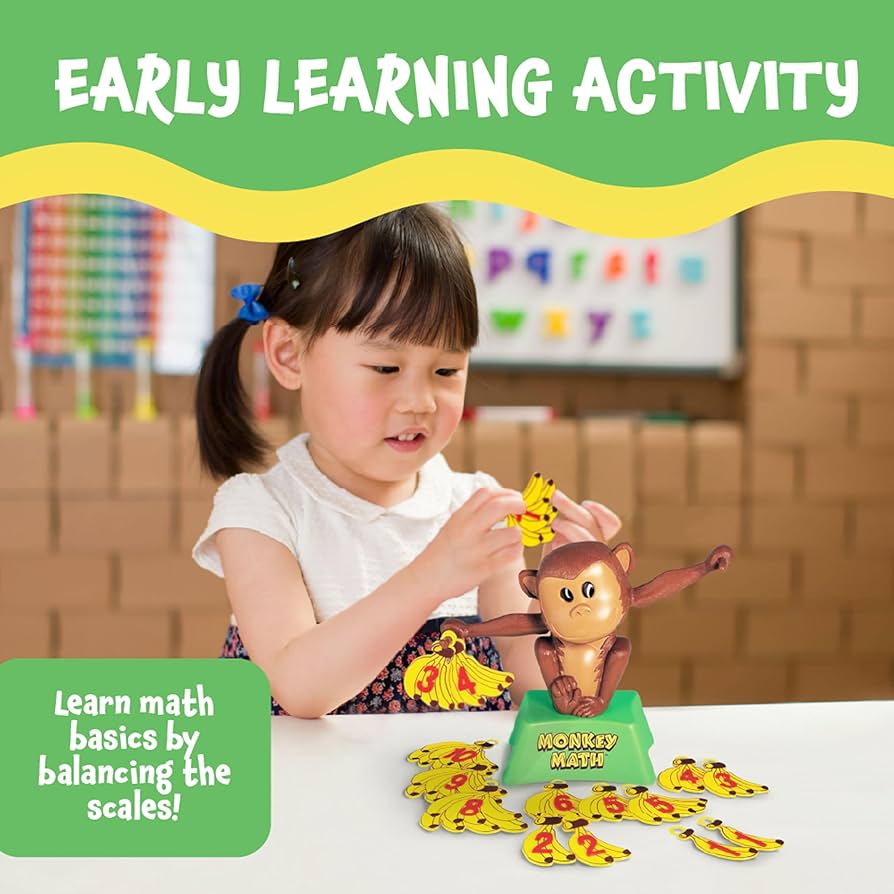
In an era where technology offers countless distractions, incorporating fun educational tools could be the key to developing lasting skills. Parents and educators can leverage these platforms to create an engaging learning environment that not only boosts academic performance but also fosters a lifelong curiosity about mathematics.
As parents and educators, it is crucial to understand the profound impact of these tools. By exploring the world of math games, adults can provide children with an engaging pathway to elevate their critical thinking skills. Encouraging participation in such activities sets them up for future success, not only in math but in various aspects of their lives, as critical thinking is a foundation for effective problem-solving across disciplines.
DISCOVER MORE: Click here to learn how board games enhance your logical reasoning skills
The Cognitive Benefits of Math Games
Math games are not merely tools for practicing numbers; they are dynamic platforms that stimulate enhanced cognitive processes. By engaging children’s minds in a variety of mathematical challenges, these games serve a dual purpose: reinforcing basic skills while encouraging the development of critical thinking. When children are faced with mathematical tasks in a game setting, they are compelled to think creatively and strategically about how to approach the problem at hand.
One of the remarkable aspects of math games is their ability to integrate fun with learning. As children navigate through different levels, they are exposed to concepts that are typically dry or daunting in traditional classroom settings. For example, games that incorporate real-world scenarios—like budgeting for a fictional shopping spree—turn mathematical calculations into engaging challenges. This interaction not only makes math relatable but also instills a sense of purpose in their learning journey.
Key Elements that Foster Critical Thinking
When analyzing how math games stimulate critical thinking in children, several essential elements come into play:
- Interactive Learning: Unlike passive learning methods, interactive games require active participation. Children can manipulate variables and see the immediate outcomes of their actions, which fosters a deeper understanding of cause and effect.
- Adaptive Challenges: Many math games adapt to the player’s skill level, providing increasingly complex tasks as children improve. This tailored approach challenges them to push their boundaries and encourages persistence in facing more difficult problems.
- Visual and Spatial Reasoning: Visual components of math games, such as grids and diagrams, enhance spatial reasoning abilities. Children learn to visualize problems, which is crucial for effective problem-solving in mathematics and beyond.
Moreover, these games often require children to make choices and consider various strategies to solve problems, which ultimately sharpens their decision-making skills. A study conducted by the University of California, Los Angeles, underscores the correlation between game play and heightened critical thinking abilities in early learners. The research revealed that children who engaged in regular math gameplay demonstrated not only improved arithmetic skills but also enhanced analytical reasoning compared to their peers who did not participate in such activities.
Furthermore, appreciation for math is often linked to one’s ability to navigate complex challenges with ease. As children experience success and overcome hurdles in math games, they develop a resilient mindset—an essential trait in both academic and life endeavors. This attitude can lead to greater engagement in all subject areas, inspiring children to pursue knowledge with excitement rather than apprehension.
Ultimately, math games serve as a bridge between abstract mathematical theories and concrete understanding, making learning both engaging and impactful. By integrating fun into foundational knowledge, they nurture not only critical thinking skills but also a lasting love for mathematics—a fundamental aspect of overall cognitive development.
Engaging Children’s Minds Through Math Games
Math games not only make learning fun but also encourage children to develop critical thinking skills essential for their cognitive growth. Engaging in these games promotes unique problem-solving abilities and encourages creativity. Whether it’s through interactive online math puzzles or traditional board games, children are prompted to think outside the box. One significant way math games stimulate critical thinking is by introducing scenarios that require strategic planning. For example, games that involve sorting, pattern recognition, or calculating probabilities challenge children to evaluate different options before making decisions. This skill is transferable to real-life situations, such as weighing pros and cons before choosing an option.Furthermore, math games often contain elements of competition and teamwork. This setting encourages children to communicate effectively with their peers, thereby enhancing their social skills while fostering a healthy spirit of competition. As children navigate through challenges, they learn to cope with failure and try again, which builds resilience and perseverance.The incorporation of technology into math games also plays a vital role in stimulating interest. With the growing trend of educational software that adapts to a child’s skill level, learning becomes personalized and truly engaging. Children are more likely to persist with problem-solving when they see progress, ensuring that their critical thinking skills are not just sharpened, but also effectively utilized in various contexts.In essence, math games serve as a multi-faceted tool not only enhancing numerical skills but also equipping children with essential life skills that are critical for future success. The blend of fun and learning makes math games an invaluable component of modern education.
| Category | Advantages |
|---|---|
| Problem-Solving Skills | Encourages children to analyze situations and make decisions based on logic. |
| Enhanced Creativity | Allows children to explore multiple solutions and think innovatively. |
| Social Skills | Fosters teamwork and effective communication through collaborative play. |
| Resilience | Teaches children to handle setbacks and persist to find solutions. |
DISCOVER MORE: Click here to uncover the psychological benefits of mind games
Enhancing Problem-Solving Skills Through Play
Beyond mere engagement, math games are instrumental in honing children’s problem-solving skills. They challenge players to think critically about each scenario, pushing them to identify patterns, analyze data, and devise appropriate strategies to achieve their objectives. In a traditional educational context, the emphasis is often placed on obtaining the correct answer, whereas math games shift the focus to the process of arriving at that answer. This approach cultivates an understanding that multiple pathways exist for solving a single problem, a vital component of critical thinking.
Consider games like Prodigy Math or Math Playground, which encourage learners to tackle various mathematical concepts through puzzles and challenges. These games prompt children to break down problems into manageable parts, a skill transferable to real-world situations. By requiring children to devise their own strategies, these platforms foster a sense of ownership over their learning process. They learn to hypothesize potential outcomes and evaluate the effectiveness of their chosen approaches, thus building the confidence to tackle more complex challenges as they mature.
The Role of Collaboration
Math games can also enhance critical thinking through collaboration. When children engage in multiplayer settings, they are exposed to diverse perspectives as they share strategies and approaches with their peers. This collaboration fosters discussion and debate, enabling them to articulate their reasoning and justify their decisions. For example, in a classroom scenario utilizing the game Sum Swamp, students may work together to navigate a board filled with mathematical obstacles, encouraging cooperative problem-solving. This collective endeavor not only sharpens individual critical thinking skills but also enhances social skills and communication, which are crucial in collaborative environments.
Moreover, social interaction within math games ignites a sense of community and shared achievement. When groups solve intricate problems by pooling their insights, children develop an appreciation for collaboration and the value of diverse thought processes. Research from Stanford University suggests that children who engage in collaborative problem-solving exhibit higher levels of critical thinking, as they develop a deeper comprehension of the material through the shared learning experience.
Immediate Feedback and Growth Mindset
Another critical aspect of math games is the immediate feedback provided to players. This instant response mechanism allows children to recognize their mistakes and correct them in real time. As they tackle various mathematical challenges, kids receive reinforcement that supports their learning, encourages persistence, and, importantly, fosters a growth mindset. According to a study by the American Educational Research Association, children exposed to immediate feedback demonstrate enhanced learning outcomes and greater enthusiasm toward complex tasks. This confirms that recognizing opportunities for improvement is crucial to developing critical thinking abilities.
For example, a game like DreamBox Learning adjusts its challenges based on a child’s performance, offering them dynamic feedback. This level of responsiveness allows children to reflect on their strategies, adapt their approaches, and cultivate resilience in facing mathematical obstacles. As they learn to seek out solutions rather than shy away from challenges, their ability to think critically expands exponentially.
In essence, math games create a rich tapestry of opportunities for children to develop their problem-solving skills, collaborate effectively with peers, and learn from their mistakes. Through play, they not only grasp mathematical concepts but also contribute to the formation of a well-rounded critical thinking skill set that will serve them throughout their academic careers and beyond.
DISCOVER MORE: Click here to learn how logic games can boost your emotional intelligence
Conclusion
In the ever-evolving landscape of education, math games stand out as an innovative tool for fostering critical thinking in children. By transforming traditional learning paradigms, these interactive experiences encourage children to embark on exploratory journeys where problem-solving and strategy formulation reign supreme. The emphasis on process over merely finding the right answers equips young learners with a toolkit for approaching complex challenges in logical and creative ways.
Moreover, the collaborative nature of many math games enhances children’s ability to communicate and negotiate solutions with their peers. As they engage in dialogue about various approaches to mathematical problems, they not only sharpen their critical thinking abilities but also build crucial social skills. This communal learning experience mirrors real-world situations where diverse perspectives lead to more innovative solutions.
Additionally, the role of immediate feedback cannot be overstated. The dynamic nature of many educational math games allows children to learn from their mistakes in real time, fostering a growth mindset. This capacity to re-evaluate strategies and persist through challenges reinforces their resilience and adaptability—traits essential in academic settings and beyond.
As educators and parents seek to equip children for a future that demands critical, analytical, and creative thinkers, integrating math games into learning routines presents a promising pathway. Not only do these games deepen understanding of mathematical concepts, but they also empower young minds with the critical thinking skills necessary for their lifelong educational journey. The implications of such an approach extend far beyond the classroom, nurturing capable individuals ready to navigate the complexities of the modern world.
Related posts:
The Benefits of Word Games in Improving Logic and Reasoning
Escape Games: Learning to Collaborate and Solve Problems Under Pressure
Recreational Mathematics: Using Number Puzzles to Develop Analytical Skills
Mental Challenges: How Logic Games Improve Our Problem-Solving Skills
Puzzles and Creativity: Fostering Innovation through Mental Games
Developing Social Skills through Card Games and Cooperative Puzzles

Linda Carter is a writer and puzzle expert specializing in mind games, brain teasers, and cognitive challenges. With extensive experience helping individuals enhance their problem-solving skills and think critically, Linda shares her knowledge on our platform. Her goal is to empower readers with practical advice, engaging puzzles, and strategies to sharpen their minds and achieve success in the captivating world of mind games and puzzles.