
The Importance of Natural Light in Modern Workspaces
Designing an efficient workspace is essential in today’s fast-paced work environment, where maximizing productivity is often a top priority for organizations. One of the most transformative elements in an office’s layout is the incorporation of natural light. It serves not only as a source of illumination but also as a catalyst for employees’ well-being and creativity. With the modern workforce increasingly embracing remote and hybrid work models, understanding how a carefully planned workspace can make a difference has never been more crucial.
The Positive Impacts of Natural Light
Numerous studies and expert analyses indicate that natural light is essential in cultivating an atmosphere that fosters employee engagement and satisfaction. This is backed by several key benefits:
- Improved Mood: Exposure to natural light has been shown to reduce stress levels significantly. The presence of sunlight can trigger the release of serotonin, a hormone commonly associated with feelings of happiness. This is especially important in urban areas where long winters can lead to Seasonal Affective Disorder (SAD).
- Enhanced Productivity: According to a report from the World Green Building Council, workspaces optimized with natural lighting can lead to a 20% boost in productivity. Employees are more focused and engaged when they can see the outdoors, which can combat feelings of fatigue.
- Health Benefits: Natural light plays a crucial role in regulating circadian rhythms, which impacts sleep quality. Better sleep translates to improved overall health, resulting in employees taking less sick leave and maintaining consistent performance.
Compelling Statistics Underpinning the Case
It’s not just anecdotal evidence; numerous statistics highlight the transformative power of natural light in the workplace:
- According to a 2018 study, companies that prioritize natural light within their workspaces report a significant 20% boost in productivity.
- Employees in well-lit environments take an estimated less sick leave, which can save companies thousands of dollars annually in health-related absenteeism.
- Moreover, research indicates that natural daylight can enhance creativity levels by as much as 15%, making it easier for teams to brainstorm and innovate.
Strategic Importance for Companies
Given these compelling advantages, optimizing workspaces with natural light is not merely an aesthetic decision but rather a strategic initiative. Companies across the United States, from tech giants in Silicon Valley to startups in Brooklyn, are increasingly investing in designs that maximize exposure to natural light. This is often achieved by incorporating large windows, open floor plans, and strategic skylights.
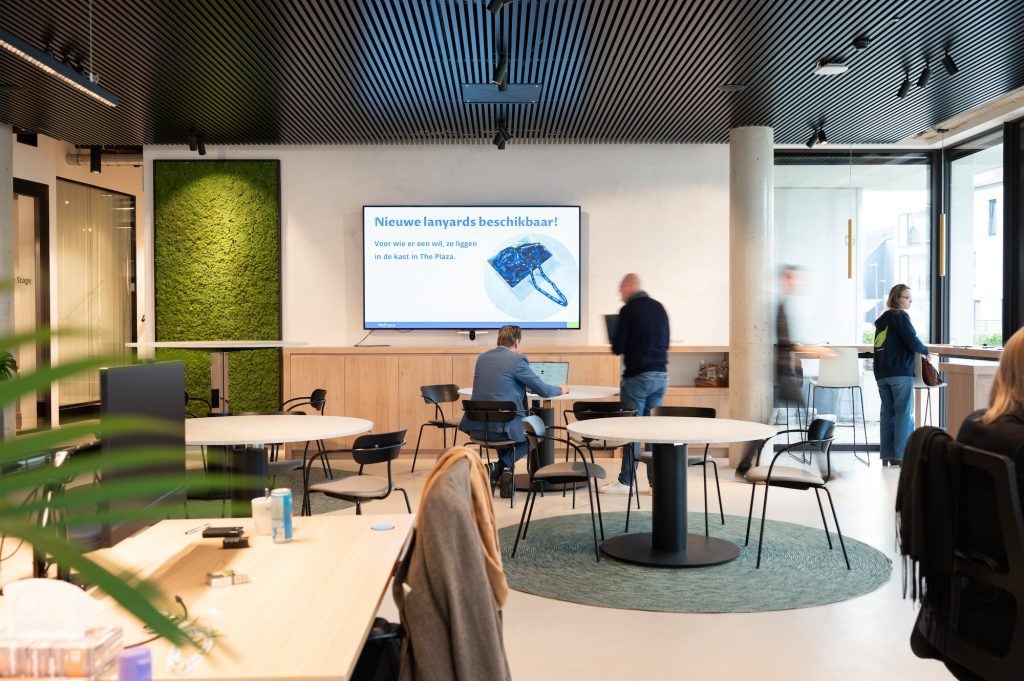
As we delve further into this subject, it becomes clear that harnessing natural light goes beyond mere beauty. It is about creating an environment that nurtures productivity, boosts health, and inspires creativity. Whether through innovative architectural design or simply rethinking office layouts, the potential for transformative changes in workplace dynamics is immense. The future of work may just depend on it.
DIVE DEEPER: Click here to discover effective time management strategies
Natural Light: A Catalyst for Employee Engagement
As we explore the profound impact of natural light on modern workspaces, it becomes evident that the benefits extend far beyond mere aesthetics. Integrating natural light into office designs is increasingly regarded as a crucial step in ensuring employee wellness and enhancing productivity levels. Many organizations have begun to recognize that creating environments rich in daylight can have transformative effects on their workforce, leading to a more invigorated, focused, and healthy team.
Psychological Benefits of Sunlight
One of the most remarkable aspects of natural light is its psychological effects on employees. Studies indicate that exposure to sunlight improves mood and reduces feelings of anxiety, which can sometimes plague even the most dedicated workers. In fact, a survey conducted by the American Society of Interior Designers (ASID) revealed that approximately 68% of employees attribute their overall happiness to available daylight in their work environments. When employees feel appreciated and cared for, they are likely to be more engaged in tasks at hand, fostering a positive workplace culture.
The calming effects of natural light can work wonders in boosting creativity as well. A research study from the University of Surrey highlights that daylight can lead to a 15% increase in creativity. When employees are surrounded by fresh, vibrant light that mimics the outdoors, they may experience heightened inspiration and a clearer mindset—key elements needed for brainstorming and problem-solving tasks. Incorporating elements such as large windows or even living plant walls can significantly enhance these effects, creating an inviting atmosphere conducive to innovation.
Enhanced Concentration and Attention Span
Natural light also plays a significant role in enhancing concentration and attention spans among employees. Exposure to daylight has been linked to improved visual comfort, reducing eye strain and fatigue commonly experienced in artificial light settings. As reported by the National Center for Biotechnology Information (NCBI), workers in office environments with abundant natural light demonstrate a reduction in fatigue, leading to longer periods of focus and concentration.
Moreover, office layouts that prioritize natural light can help in creating a more collaborative atmosphere. Open and airy designs, often characterized by plenty of windows, can effectively inspire teamwork. Employees feel more connected to their surroundings and their colleagues, which can foster a sense of community, further driving collaboration and shared ideas.
Practical Implementations of Natural Light
Implementing natural light into a workspace does not always require significant renovations. Simple changes like adjusting the layout of furniture to maximize exposure to existing windows, or using translucent office partitions, can greatly increase the influx of daylight. Many companies are discovering creative methods to integrate natural light into their designs, such as:
- Utilizing skylights to maximize overhead light.
- Aligning desks parallel to windows to encourage use of available daylight.
- Incorporating glass walls to allow light to flow throughout the office.
As organizations explore these tactics, it becomes clear that the strategic incorporation of natural light serves as a fundamental aspect of modern workspace design, elevating employee experience and optimizing overall productivity.
| Advantages of Natural Light | Why it Matters |
|---|---|
| Improves Mood | Exposure to natural light has been shown to increase serotonin levels, enhancing mood and overall well-being. This leads to more productive and positive work environments. |
| Enhances Focus | Natural light can help maintain circadial rhythms, enabling employees to focus better. This reduction in eye strain and fatigue allows for longer, more efficient working hours. |
Natural light is not merely a design choice; it profoundly impacts the productivity and wellness of individuals in a workspace. With studies suggesting that natural light can improve mood and cognitive function, it becomes essential for companies to consider how they can harness this resource. Integrating large windows, skylights, and open spaces can maximize light exposure, fundamentally transforming how employees interact with their environment. Furthermore, companies prioritizing natural light may see decreased absenteeism and increased creativity among their teams, showcasing a compelling argument for incorporating more daylight into workplace design. In the evolving landscape of office layouts, emphasizing sustainable practices and employee well-being through natural elements is becoming increasingly critical. The potential for significant enhancements in productivity and morale invites organizations to rethink their workspace strategies.
DISCOVER MORE: Click here to learn about the Pomodoro Technique
Natural Light: Improving Health and Well-being in the Workplace
Beyond its impact on mood and creativity, natural light has profound implications for the overall health and well-being of employees. An overwhelming body of research supports the claim that exposure to adequate daylight can significantly enhance physical health, reduce absenteeism, and lead to long-term improvements in employee performance.
Reduction of Health Issues
Workers exposed to natural light report fewer instances of headaches, fatigue, and eyestrain compared to those in artificially lit environments. A comprehensive study by the Herman Miller Research Corporation found that employees working in offices with natural light had a 51% reduction in complaints around eye discomfort and headaches. This can be attributed to natural light’s ability to regulate internal biological clocks or circadian rhythms, which help in maintaining a healthy sleep pattern.
Proper exposure to natural light helps to produce melatonin, a hormone that regulates sleep cycles. An office environment designed to let in ample daylight can encourage healthy rest and recovery patterns, which ultimately result in a more energized and productive workforce. This interplay between natural light and sleep is essential for fostering an environment conducive to high performance.
Enhanced Employee Retention
The integration of natural light into office design also correlates directly with improved employee retention rates. With the job market continually evolving and competition for talent becoming fierce, organizations understand that providing an attractive and healthy work environment can be a key differentiator. In fact, a study by the International WELL Building Institute found that workplaces with optimal natural lighting can reduce attrition rates by as much as 30%.
Employers who prioritize natural light often report higher job satisfaction, translating into lower turnover rates and ultimately benefiting their businesses’ bottom line. When employees feel their well-being is valued through thoughtful design choices, they are more likely to establish long-term commitments to their organizations.
Driving Sustainability in Workplace Design
In an era where sustainability and environmental responsibility are paramount, natural light integration also provides an opportunity for workplaces to minimize their energy consumption. By optimizing the use of daylight, businesses can significantly reduce their reliance on artificial lighting, resulting in lower energy bills and decreased carbon footprints. This is particularly crucial as companies seek to adopt more sustainable practices and appeal to eco-conscious employees.
- Natural lighting solutions can decrease energy usage by up to 50%, according to the U.S. Department of Energy.
- Employing smart technologies, such as light sensors, can ensure that artificial lights are only utilized when necessary, further promoting an energy-efficient workspace.
By harnessing the power of natural light, organizations don’t just improve the aesthetic value of their spaces. They are fostering a healthier work environment, strengthening employee loyalty, and supporting sustainable practices that reflect a commitment to corporate responsibility. With increased emphasis on workplace wellness, the focus on natural light is not just a trend; it is a cornerstone of future-forward office design.
DISCOVER MORE: Click here to learn how to set SMART goals
Conclusion: Harnessing Natural Light for a Brighter Future
In conclusion, the integration of natural light in workspaces transcends mere aesthetic appeal; it is a vital component in enhancing employee well-being, boosting productivity, and fostering a culture of sustainability. As highlighted throughout this discussion, access to natural light not only mitigates health issues such as headaches and fatigue, but also plays a significant role in regulating circadian rhythms, leading to improved sleep quality and energy levels. These factors contribute overwhelmingly to an engaged and motivated workforce, making natural light an invaluable asset in today’s competitive job market.
Moreover, organizations that prioritize natural light in their designs are likely to experience lower turnover rates, directly impacting their bottom line. Employees are not just seeking a place to work; they desire environments that reflect their values, including health, well-being, and ecological responsibility. With statistics revealing potential energy savings of up to 50%, the adoption of natural light solutions also aligns with broader sustainability goals, appealing to a growing number of eco-conscious workers.
Overall, the importance of natural light in optimizing workspaces cannot be overstated. It is imperative for businesses to recognize that investing in natural light is not merely a design choice but a strategic move towards creating healthier, more productive work environments. As we advance into a future that values employee well-being and sustainable practices, harnessing the benefits of natural light will undoubtedly pave the way for thriving organizations.
Related posts:
How Workplace Personalization Can Boost Creativity and Well-Being
Digital Discard Techniques to Increase Productivity in the Home Office
Technological Tools that Increase Productivity in the Office
The Influence of Acoustics on Comfort and Productivity in Work Environments
Visual Organization Strategies to Improve Focus and Creativity in the Workplace
Personal Organization Strategies to Increase Efficiency in Shared Workspaces

Linda Carter is a writer and productivity and personal organization specialist focused on helping readers build better routines, manage their time, and stay on top of daily priorities. With experience covering practical planning methods, habit-building strategies, and tools for organization, Linda shares actionable guidance on our platform. Her goal is to empower readers with clear, realistic tips to work smarter, reduce overwhelm, and stay consistent over time.