
The Importance of Ergonomics
In today’s fast-paced work environments, ergonomics has emerged as a crucial factor influencing employee well-being and performance. As organizations strive for high productivity, they are increasingly recognizing the significance of ergonomic designs. Implementing ergonomic principles can dramatically alter the workplace experience for employees. This transition is not merely about aesthetics; it encapsulates a comprehensive approach to optimizing employee interactions with their work environments.
At its core, ergonomics aims to improve the relationship between people and their working conditions by tailoring the workspace to fit the individual’s needs. The relationship between ergonomics and work-related stress is profound, emphasizing how an employee’s physical environment can impact their mental state and overall efficiency. Consider these key points:
- Improved Health: Ergonomically designed workstations significantly reduce physical strain and the risk of repetitive strain injuries, such as carpal tunnel syndrome and tendonitis. For instance, adjustable desks allow workers to alternate between sitting and standing, reducing the risks associated with prolonged sitting.
- Enhanced Comfort: Comfortable seating and proper desk heights can notably lower discomfort and fatigue. Ergonomically designed chairs with lumbar support prevent back pain, a common issue faced by many office workers.
- Increased Focus: Employees who experience less physical pain are more likely to concentrate on tasks at hand. A study from the Occupational Safety and Health Administration (OSHA) highlighted that comfortable workstations could lead to a 30% increase in productivity due to reduced distractions caused by discomfort.
The benefits of effective ergonomics go beyond mere comfort. Research indicates that workplaces optimized for human factors can lead to:
- Higher Productivity: Workers are more efficient and capable of sustaining their efforts longer. Companies have reported up to a 25% increase in output after redesigning their workspaces with ergonomic principles in mind.
- Reduced Absenteeism: Healthier employees take fewer sick days, fostering a more consistent workflow. Data from the Bureau of Labor Statistics indicates that ergonomic interventions can decrease injury rates by as much as 30%.
- Enhanced Job Satisfaction: When employees feel comfortable, they are more engaged and motivated. This satisfaction can lead to better employee retention rates, as happy workers are less likely to seek employment elsewhere.
As more companies in the United States adopt ergonomic practices, the emphasis on creating a supportive workspace continues to grow. For example, firms like Google and Microsoft have incorporated advanced ergonomic features into their offices, showcasing lounges, flexible workstations, and outdoor areas for breaks. Exploring how ergonomics contributes to stress reduction and productivity enhancement offers valuable insights for organizations aiming to thrive in a competitive landscape. Companies that invest in ergonomic assessments and training find that the payoff in terms of employee well-being and organizational efficiency is well worth the effort.
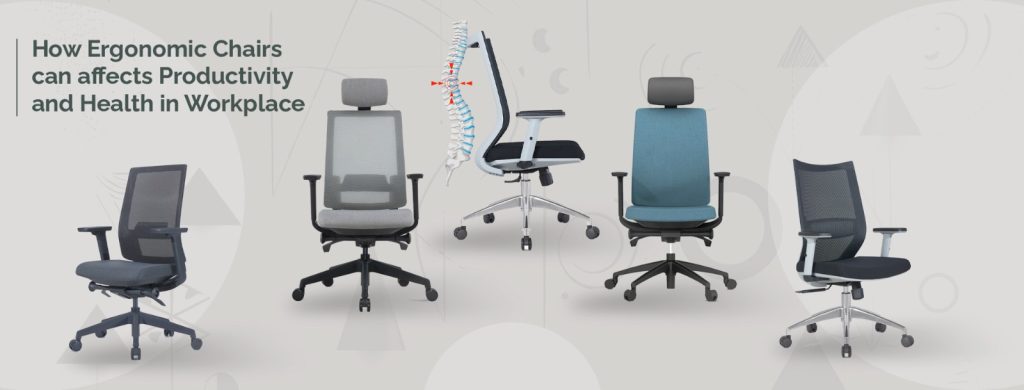
In summary, the adoption of ergonomic principles is not merely a trend; it is a necessary evolution in workplace design that promotes health, well-being, and productivity. For organizations looking to adapt, investing in ergonomics could lead to a more engaged workforce, a decrease in healthcare costs, and an enhanced overall workplace culture.
DISCOVER MORE: Click here to learn how to set SMART goals
Understanding Ergonomics in the Workplace
Ergonomics is not simply a buzzword; it is a science that focuses on optimizing the interaction between workers and their environments. By studying how individuals perform tasks, ergonomics aims to design workspaces that enhance comfort and efficiency while reducing the likelihood of injury. The implications of effective ergonomic practices extend far beyond individual health; they play a pivotal role in shaping organizational success. In essence, the degree to which a company prioritizes ergonomic principles can significantly influence its overall productivity and employee morale.
To truly grasp the impact of ergonomics on stress reduction, it is essential to recognize its multifaceted benefits. Employees exposed to ergonomic work environments report lower levels of stress and fatigue, thereby improving their mental clarity and focus. This interplay between physical well-being and mental health is vital. For instance, a 2021 survey from the American Psychological Association found that 75% of workers attribute their stress levels to factors such as physical discomfort and environmental noise. Addressing these elements through ergonomic improvements can yield transformative results.
The Link Between Ergonomics and Workplace Stress
When discomfort becomes a part of an employee’s daily routine, it doesn’t just affect physical health; it seeps into mental and emotional domains as well. Stress resulting from poor ergonomics can lead to decreased engagement, increased absenteeism, and even employee turnover. Here are ways ergonomic interventions can mitigate workplace stress:
- Reduction of Physical Strain: Poor posture, inadequate seating, and improperly positioned equipment can lead to chronic pain. When physical discomfort is minimized through adjustable office furniture and proper workstation layouts, employees can perform their tasks more efficiently and with less strain.
- Creation of a Customized Work Environment: Ergonomics allows workers to personalize their workstations according to their preferences and needs. This personal touch fosters a sense of ownership and control, significantly lowering stress levels.
- Promotion of Healthy Breaks: Ergonomic designs often encourage short breaks and movements, such as stand-up meetings or adjustable desks, which contribute to reduced mental fatigue. Research shows that taking short breaks can enhance cognitive function and creativity.
The rise in remote and hybrid work models also emphasizes the importance of ergonomics. As employees continue to work from home, the need for ergonomic awareness has escalated. Many organizations are now investing in ergonomic assessments for remote workers to ensure that their home offices support both comfort and productivity.
The organizational benefits of integrating ergonomic principles are equally compelling. Companies that have embraced ergonomic innovations often observe a measurable increase in productivity. In many cases, workers can concentrate more effectively on their responsibilities and maintain sustained attention over extended periods. This focus translates to better output, reduced errors, and ultimately, enhanced organizational performance.
By creating an ergonomic-centric culture, companies not only demonstrate their commitment to employee well-being but also position themselves for improved outcomes. The scientific basis supporting these benefits is robust and compelling, urging organizations to consider ergonomics as a viable strategy for achieving long-term success in today’s competitive environment.
The Impact of Ergonomics on Stress Reduction is a compelling topic that resonates in modern work environments, where the importance of employee well-being is increasingly recognized. Ergonomics, the science of designing spaces and tools to fit human abilities and limitations, plays a pivotal role in mitigating stress. A well-designed workspace that follows ergonomic principles can significantly reduce physical strain and improve employees’ mental health.
Studies indicate that workers in ergonomically optimized environments report lower levels of stress and discomfort. For example, arranging desk setups to promote proper posture not only minimizes the risk of musculoskeletal disorders but also fosters a sense of ease. Moreover, effectively designed workspaces encourage movement and flexibility, which are crucial for reducing fatigue and boosting morale.
Additionally, the relationship between ergonomics and productivity cannot be overlooked. When employees feel comfortable and supported, their focus and engagement levels rise. Research shows that ergonomic improvements can yield a measurable increase in productivity, with some studies suggesting gains of up to 25%. This correlation is driven by several factors, including decreased absenteeism due to health issues and increased motivation from a pleasant working environment.
In conclusion, embracing ergonomic principles is essential for organizations aiming to enhance employee well-being while simultaneously driving productivity. Investing in ergonomically sound work environments promotes not only health but also contributes to a happier, more efficient workforce.
| Advantages of Ergonomics | Benefits |
|---|---|
| Reduced Physical Strain | Minimizes discomfort and injuries, leading to lower absenteeism. |
| Increased Productivity | Higher engagement and output due to improved comfort. |
Ergonomics is not just a trend; it’s a strategy for improving workplace health and efficiency that organizations can no longer afford to ignore. By prioritizing ergonomic solutions, companies stand to foster a culture of well-being and productivity that benefits everyone involved.
DIVE DEEPER: Click here to discover effective planning strategies
Enhancing Productivity Through Ergonomic Design
As the work landscape continues to evolve, businesses are increasingly recognizing that ergonomics is a critical driver of productivity. Beyond simple comfort, effective ergonomic interventions can position organizations to achieve remarkable efficiencies. Research conducted by the Occupational Safety and Health Administration (OSHA) has consistently demonstrated that investments in ergonomics yield a substantial return on investment, with employers experiencing a decrease in work-related injuries and associated costs. For every dollar spent on ergonomic improvements, companies may realize returns of up to $6 in reduced medical costs and productivity gains. This evidence reflects the undeniable intersection of employee welfare, stress management, and enhanced overall performance.
Transforming Workspaces for Maximum Efficiency
Numerous factors contribute to the effectiveness of ergonomic designs in boosting productivity. Here are essential considerations:
- Optimal Workstation Design: Ergonomic principles advocate for adjustable desks, appropriate monitor heights, and ergonomic chairs that promote neutral posture. Such adjustments prevent fatigue, allowing employees to maintain concentration without the physical distractions that low-quality workstations can induce. For instance, a study published in the Journal of Applied Ergonomics found that employees who used sit-stand desks experienced a 35% boost in productivity compared to those in traditional seating arrangements.
- Organizational Workflow Optimization: Ergonomics extends beyond physical design—it encompasses workflow processes as well. Streamlining tasks to minimize unnecessary movements can enhance efficiency. Predictable workflows tailored to ergonomic principles help staff minimize disruptions and maintain momentum.
- Implementation of Technology for Smart Workspaces: Advanced technologies such as AI and IoT can facilitate ergonomic assessments and adjustments. Smart sensors can provide real-time feedback regarding posture and activity levels, encouraging employees to make necessary adjustments that alleviate discomfort. By integrating technology, companies can promote a culture of ergonomic awareness, further driving stress reduction.
Moreover, the synergy between ergonomics and employee training cannot be overstated. Companies that invest in comprehensive training programs focusing on ergonomic practices equip workers with the knowledge to maintain ideal work habits and workstation arrangements. Educated employees are less likely to gravitate towards poor ergonomic behaviors, leading to fewer injuries and reduced levels of stress.
The Psychological Benefits of Ergonomics
The psychological impact of ergonomics permeates deeper than mere physical interventions. When organizations prioritize ergonomic solutions, they send a powerful message about valuing employee well-being, cultivating a positive workplace culture. This acknowledgment leads to increased job satisfaction and morale. According to the National Institute for Occupational Safety and Health (NIOSH), workplaces that embrace ergonomic practices foster higher engagement levels among employees, which, in turn, correlates strongly with lower stress levels and enhanced productivity.
Moreover, the pandemic has amplified the importance of ergonomic strategies in remote settings. Businesses are noticing that investing in home office ergonomic assessments can lead to improved focus and reduced distraction at home—a condition often noted for fostering greater productivity. With flexible work arrangements expected to persist, the proactive adoption of ergonomic solutions tailored to remote work is becoming vital for sustaining high levels of productivity.
In summary, as organizations continue to navigate the complexities of worker environments, harnessing the power of ergonomics is essential not only for stress reduction but also as a catalyst for productivity enhancement, ultimately driving success in a competitive landscape.
DISCOVER MORE: Click here to enhance your productivity
Conclusion: Embracing Ergonomics for a Healthier Work Environment
In conclusion, the transformative impact of ergonomics on stress reduction and productivity increase in work environments cannot be overstated. As organizations strive for greater efficiency and employee satisfaction, adopting ergonomic principles emerges as a fundamental strategy. By investing in optimal workstation designs, streamlining workflows, and harnessing the power of technology, companies can significantly enhance both the physical and psychological well-being of their workforce. The data is compelling: businesses can realize returns on ergonomic investments that far exceed initial expenditure, thereby highlighting the direct correlation between employee comfort, stress management, and productivity.
Moreover, with the shift towards remote and hybrid work environments, the need for tailored ergonomic solutions has become more pressing than ever. Organizations that prioritize ergonomic assessments for home office setups will likely see improved focus and decreased distractions among their employees. As the nature of work continues to evolve, integrating ergonomic practices is not just a perk; it has become an essential aspect of sustainable business growth.
Ultimately, the focus on ergonomics goes beyond mere compliance with health standards; it fosters a culture that values employee well-being and engagement. As organizations observe the tangible benefits of such investments, they can inspire a ripple effect that resonates through their teams, creating an atmosphere of health, productivity, and long-term success. For those willing to explore this path, the rewards promise to be substantial, paving the way for a healthier, more productive workforce in the years to come.
Related posts:
How Proper Lighting Can Transform Your Workspace and Increase Productivity
Visual Organization Strategies to Improve Focus and Creativity in the Workplace
Best Practices for Optimizing Home Workspace
Digital Tools to Maximize Organization and Productivity in the Workplace
The Importance of Natural Light in Optimizing Workspaces
How Ergonomics Influences Efficiency and Comfort in the Workspace

Linda Carter is a writer and productivity and personal organization specialist focused on helping readers build better routines, manage their time, and stay on top of daily priorities. With experience covering practical planning methods, habit-building strategies, and tools for organization, Linda shares actionable guidance on our platform. Her goal is to empower readers with clear, realistic tips to work smarter, reduce overwhelm, and stay consistent over time.